Could the EU’s digitalization push lead to surveillance, control, and exclusion?
The EU’s push towards digital identities, health data sharing, and other services risks creating a system of mass data collection and social exclusion, according to European Digital Rights (EDRi), an association of civil and human rights organizations.

People walk at a street as Belgium. Dursun Aydemir/Anadolu Agency/Getty Images.

 Follow us
The EU’s push towards digital identities, health data sharing, and other services risks creating a system of mass data collection and social exclusion, according to European Digital Rights (EDRi), an association of civil and human rights organizations.
- EDRi warns EU digital push could enable surveillance and profiling through centralized data systems.
- Programs like EHDS, ESSPASS, and EUDI Wallet may turn public services into mass “data collection” systems.
- Offline citizens risk exclusion, especially elderly, migrants, and low-income groups.
- Group calls for a legal “right to analog” to keep non-digital access to public services.
Key Takeaways by nexos.ai, reviewed by Cybernews staff.
“The EU institutions have been engaged in a broad and wholesale digitalization project, but underneath the rhetoric of efficiency, modernization, and citizen empowerment lies a more troubling reality,” EDRi says.
“It is not a mere technical upgrade of public services, but a political choice, long in the making, to forego care and rights of individuals in favor of normalizing surveillance, control, and exclusion of the most marginalized,” the digital rights group continues.
In a report that was published last week, EDRi alleges that initiatives such as the European Health Data Space (EHDS), the European Social Security Pass (ESSPASS), and the European Digital Identity Wallet (EUDI Wallet) are helping to build a “digital welfare state,” with all sorts of new risks for European citizens.


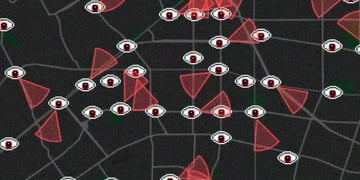




“The privacy harms of these programs are profound. We are moving from a world of ‘local and analog’ interactions, where your doctor knows your health and your local council knows your housing needs, to a world of ‘centralized and digital’ visibility,” EDRi states, claiming that any interaction will become a “data point.”
Collecting and analyzing these data points will provide complete insight into someone’s life, fully disregarding European citizens’ privacy and leading to extensive and intimate profiling.
EDRi also raises concerns that moving public services online by default could potentially create barriers for elderly people, migrants, low-income individuals, and others who face difficulties accessing or using digital tools.






The human rights group is calling for a “right to analog,” a legally enforceable guarantee that every essential public service remains accessible through non-digital, human-centric channels without penalty.
“The European social contract was built on the values of solidarity and human rights. If we allow that contract to be rewritten in code, without transparency or a clear mandate, we risk waking up in a Europe where the state is no longer a provider of services, but a manager of digital credentials, and where the citizen is no longer a bearer of rights, but a user whose access has been ‘timed out,’” EDRi concludes.
Unlock more exclusive Cybernews content on YouTube.