Starmer’s social media ban for under-16s wins regulator backing
The Information Commissioner’s Office (ICO) and Ofcom are happy with the government’s proposal to restrict access to social media for children under the age of 16, thus giving momentum to one of the country’s most ambitious online safety proposals.
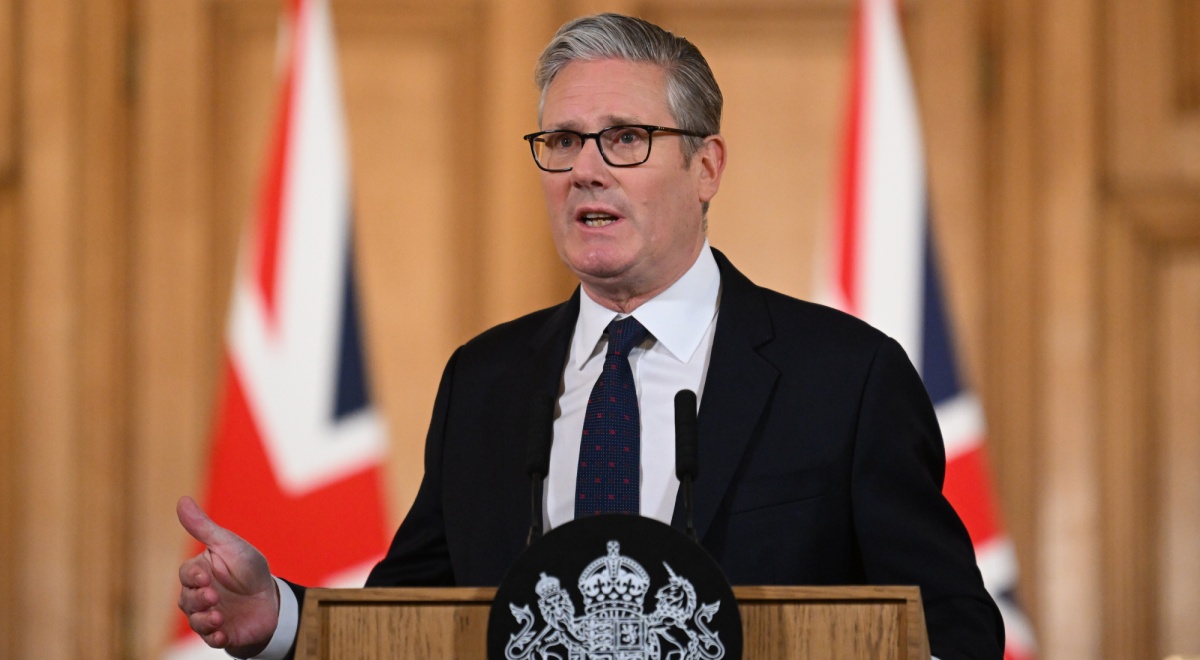
Keir Starmer, UK prime minister. Photographer: Jaimi Joy/Bloomberg via Getty Images.

 Follow us
The Information Commissioner’s Office (ICO) and Ofcom are happy with the government’s proposal to restrict access to social media for children under the age of 16, thus giving momentum to one of the country’s most ambitious online safety proposals.
- UK privacy and media regulators support plans to restrict social media access for under-16s.
- Prime Minister Keir Starmer says the proposal aims to better protect children online.
- Signal has criticized the plan, warning about surveillance and censorship risks.
- Existing online safety and data protection rules remain in force while details are developed.
Key Takeaways by nexos.ai, reviewed by Cybernews staff.
The ICO has already demonstrated a firm stance against social media platforms that fail to comply with the United Kingdom’s data protection laws.
For example, in March 2025, the regulator launched a formal investigation into TikTok and Reddit over children’s personal data practices. This resulted in a fine of £14.5 million for Reddit.
For a long time, it seemed as though the United Kingdom was afraid to impose a social media ban. After consulting with experts, the government has now changed its mind.






Last week, Prime Minister Keir Starmer announced plans to implement a ban on online platforms for children under the age of 16.
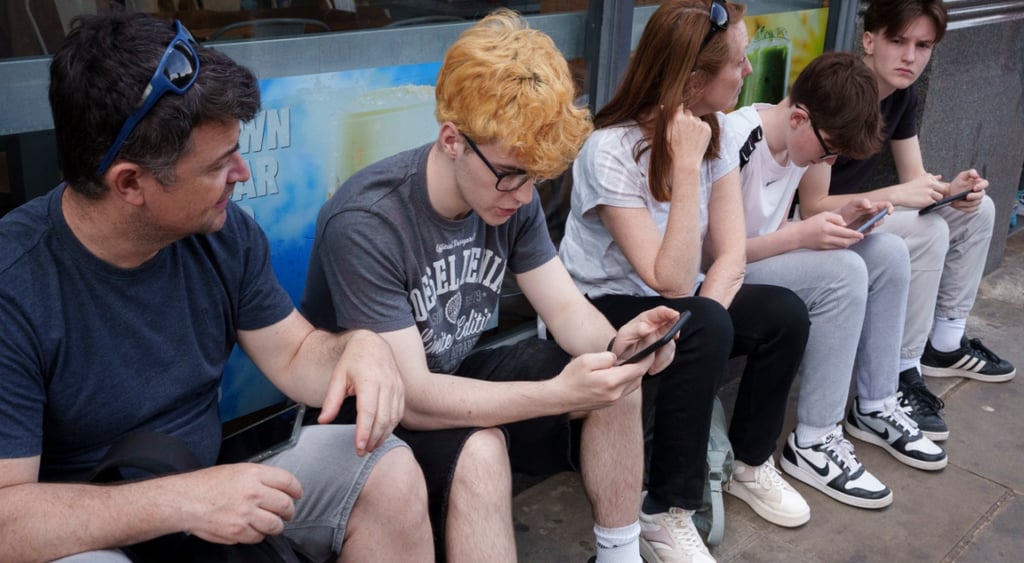
“Parents want to keep their kids safe and happy, but the online world has made that harder than ever. That’s why we’re going further than any country in the world by banning social media for under-16s and putting wider protections in place to give kids their childhood back,” Starmer stated.
Furthermore, the Prime Minister said that the proposal “will set a new normal for future generations, kickstarting a cultural shift and driving forward the government’s fight to give every child the best start in life.”
In a press release, the ICO says that keeping children safe online is a key priority. Therefore, the privacy supervisor is pleased with Starmer’s plans to restrict access to social media platforms for under-16s.
“We will continue to engage with the government, as well as other regulators, to ensure that any legislative changes deliver robust protection for children online. Whilst the government develops its plans, the existing law still applies, and organizations should be clear that their data protection obligations remain,” the privacy regulator warns.
Media regulator Ofcom is pleased as well with the government’s plans.






“So far, Ofcom has driven some of the strongest changes of any online safety regulation in the world, from widespread age checks to grooming protections for children. But the industry needs to go much further to make people safe. The government has entrusted us to build on this progress with new measures to protect children, and we’re ready to work closely with them as the detailed regulations take shape,” an Ofcom spokesperson said.
Signal isn’t happy with Prime Minister Starmer’s plans. According to the encrypted messaging platform, it will lead to mass surveillance and government censorship, potentially expanding to all Britons abroad and to other subjects, such as political speech.
The United Kingdom has been working on strict laws for tech companies for some time. Back in 2023, the Online Safety Act came into effect, giving the government more tools to take action against harmful online content aimed at children.
Last week, during the London Tech Week event, Prime Minister Starmer announced that smartphone manufacturers will be required to monitor the photos young people send and receive on their devices.
If Apple, Google, and other companies fail to do this within three months, Starmer said that he will introduce legislation to compel manufacturers to do so.
Unlock more exclusive Cybernews content on YouTube.