Texas sues Netflix for addictive design as von der Leyen says EU won't accept "endless scrolling"
Netflix was sued on Monday by Texas Attorney General Ken Paxton for using addictive design features, such as autoplay, to keep users watching while secretly collecting and selling their data. The same day, European Commission President Ursula von der Leyen vowed that the EU won’t accept such practices from tech giants.

The home screen for the Netflix Inc. Kids section. Gabby Jones/Bloomberg/Getty Images.

 Follow us
Netflix was sued on Monday by Texas Attorney General Ken Paxton for using addictive design features, such as autoplay, to keep users watching while secretly collecting and selling their data. The same day, European Commission President Ursula von der Leyen vowed that the EU won’t accept such practices from tech giants.
Texas said that for years, Netflix has falsely represented to consumers that it did not collect or share user data, when it actually tracked and sold viewers' habits and preferences to commercial data brokers and advertising technology companies, making billions of dollars a year.
The Los Gatos, California-based company was also accused of quietly using "dark patterns" to keep users watching, including an autoplay feature that starts a new show when a different show ends.
A Netflix spokesperson said the company plans to address the allegations in court.
"Respectfully to the great state of Texas and Attorney General Paxton, this lawsuit lacks merit and is based on inaccurate and distorted information," the spokesperson said in a statement.






"Netflix takes our members’ privacy seriously and complies with privacy and data protection laws everywhere we operate."
Many companies, including social media and other businesses with strong online presences, are targets of lawsuits accusing them of quietly tracking users and selling the resulting data to third parties, who use the data for advertising.
Texas's complaint quoted Netflix co-founder and Chairman Reed Hastings as saying in 2020, "we don't collect anything," as he sought to distinguish Netflix's approach to data collection from the approaches of Amazon.com, Facebook, and Google.
"Netflix’s endgame is simple and lucrative: get children and families glued to the screen, harvest their data while they are stuck there, and then monetize the data for a handsome profit," according to Texas's complaint filed in a state court in Collin County, near Dallas.

"When you watch Netflix, Netflix watches you," the complaint added.
Paxton said Netflix's alleged surveillance violates the Texas Deceptive Trade Practices Act.
He wants the company to purge the illegally collected data, not use it for targeted advertising without users' consent, and pay civil fines of up to $10,000 per violation.
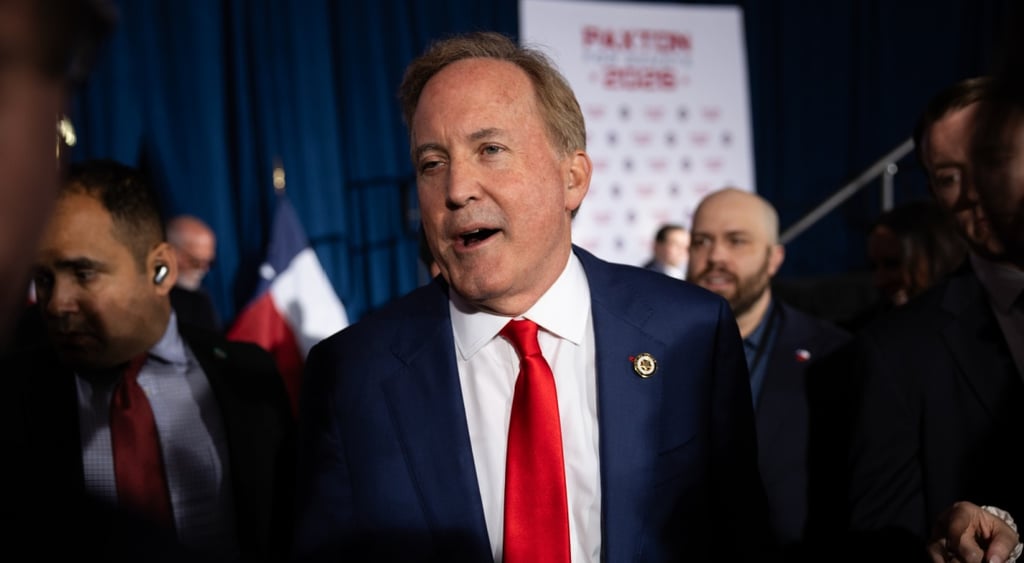
Paxton, a Republican, is running for the US Senate, challenging incumbent Republican Senator John Cornyn.






Netflix has already been fined in Europe as EU continues to target addictive tech
Cybernews previously reported on Netflix catching the attention of the EU’s privacy watchdogs.
In December 2024, the Dutch Data Protection Authority fined the company €4.75 million for failing to inform users how it handled their data between 2018 and 2020. At the time, Netflix didn’t provide information on whether (or how) it shared data with third parties, how long the data is retained, or how it guaranteed its protection when transmitted outside Europe.
"A company like that, with a turnover of billions and millions of customers worldwide, has to explain properly to its customers how it handles their personal data," said Aleid Wolfsen, the Dutch Data Protection Authority’s chairman.
Earlier today, European Commission President Ursula von der Leyen addressed practices such as addictive design and data collection.

“We do not have to accept addictive social media designs. We do not have to accept children being drawn into ever more extreme content,” she said in her keynote speech at the European Summit on Artificial Intelligence and Children.
Von der Leyen emphasized that Europe has the power to set its own rules, not big tech. She cited ongoing EU actions against companies like TikTok that, among others, invest in endless scrolling, autoplay, or push notification features.
Meta received criticism for failing to keep children under 13 off Instagram and Facebook, despite ongoing legal initiatives by Europe’s national governments to enforce this responsibility.
While Von der Leyen did not exclusively mention Netflix, she stated that the EU's Digital Services Act does give regulators the tools to hold tech giants accountable.
Unlock more exclusive Cybernews content on YouTube.