If aliens landed tomorrow, White House UAP advisor says you’d still go to work
The irony of a discovery we might ignore.
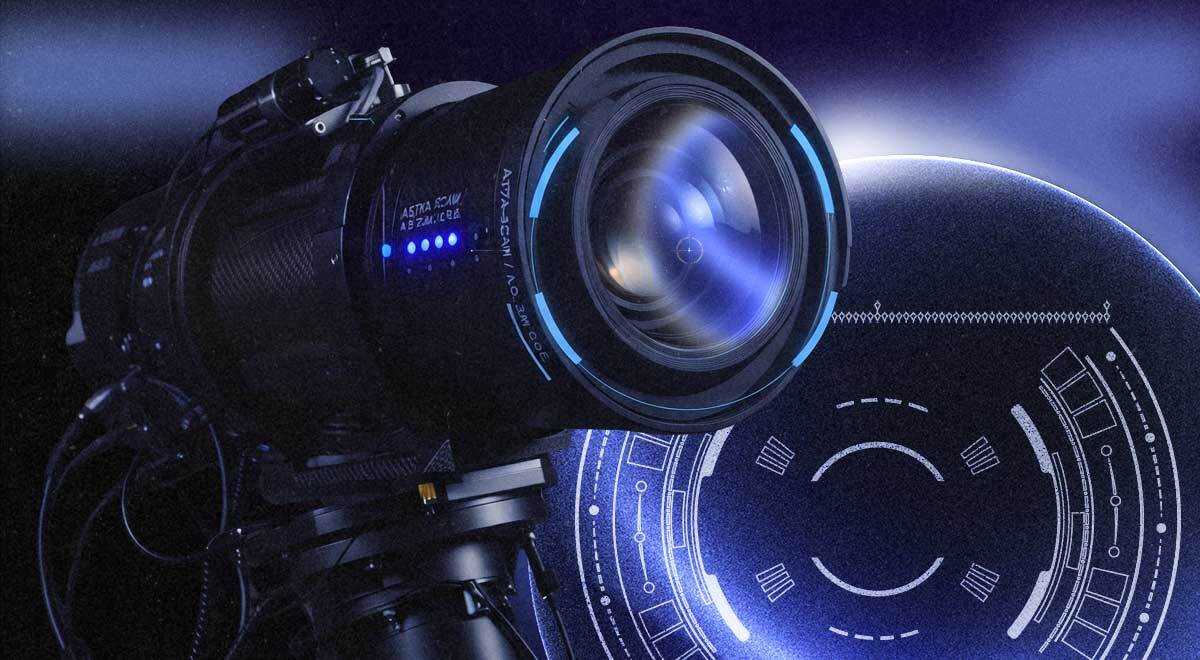
Telescope with an orb in the lens. Image by Cybernews.

 Follow us
- Avi Loeb says he has not seen conclusive evidence for alien technology in UAP videos.
- He says secrecy likely protects US military sensors, not the public from panic.
- Loeb’s Galileo Project secured $1.5 million to build an independent observatory.
- He argues society might respond slowly to alien discovery and keep daily routines.
Key Takeaways by nexos.ai, reviewed by Cybernews staff.
After years of blurry videos and empty promises, most of us have stopped paying attention. Avi Loeb doesn’t blame us, but he’s betting science can still make us look up.
The public seems to be exhausted with tranches of blurry videos and empty promises from military insiders.
You could call it UAP disclosure fatigue, or just a general cynicism in the community, of wild leaps of the imagination offered by so-called whistleblowers, politicians, and opportunists.
And when it comes to the matter of detecting an actual craft, the sheer volume of unreliable videos casts more doubt than an absence of evidence would.
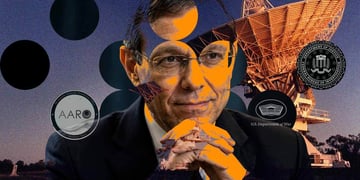
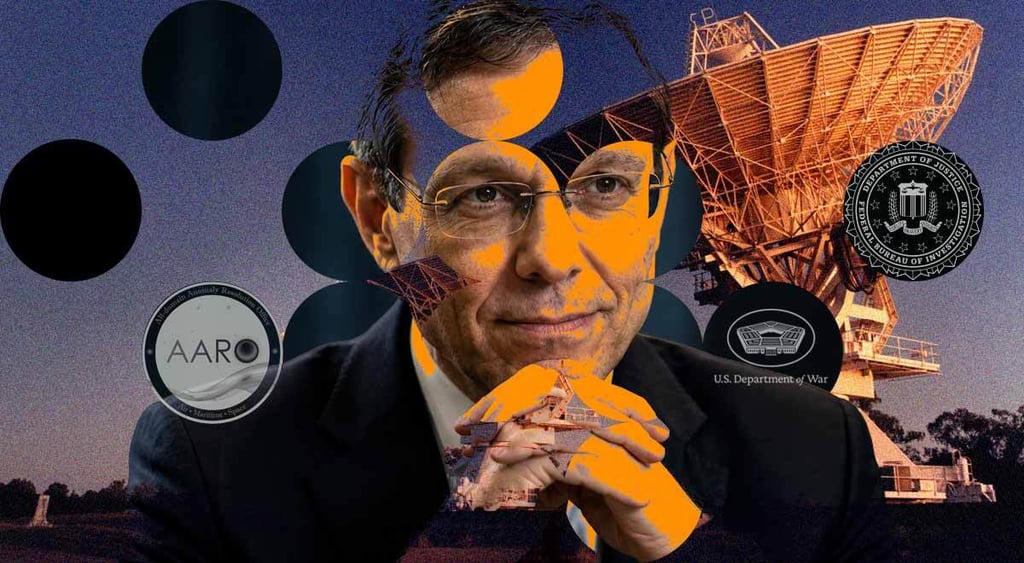
Loeb, who is also a chair of the UAP Science Council, an advisory body to the White House, shared this skepticism in an interview with Cybernews.
I have not seen any conclusive evidence for alien technologies, only insufficient data on UAP’s in the form of orbs or triangular objects,Loeb said.
He argued that secrecy isn’t about protecting humans from a mind-shattering truth, but rather about safeguarding sensor capabilities of the US military.
If an adversary like Russia or China knew how efficient these sensors were, they would be able to design drones to evade them.
When we asked Loeb if preventing mass panic was a reason for the secrecy, he said: "No... the inability to identify them flags incompetence."
Bypassing the gatekeepers and storytellers
Meanwhile, the stories filling the gap haven’t been much better.
If we look at recent visual evidence, in the last few weeks we’ve had both black triangles edited by the FBI, and AI generated cubes floating near a mountainous desert.
And in terms of the narrative of the disclosure process, there have been yet more predictions that President Donald Trump might drop the ultimate bombshell, to put the attention back on him after the midterm losses.
Both of these feel like narrative manipulation. Loeb suggests an antidote: “We should wait for conclusive evidence rather than listen to storytellers.”
According to Loeb, even the biggest institutions have their misgivings:
Throughout human history, there were many stories that were proven wrong. Even the Vatican admitted in 1992 that the story told to believers about the Earth being at the center of the universe is wrong,Loeb observed.
So how do you get reliable data without the gatekeepers or the storytellers?
Loeb's Galileo Project has secured a $1.5 million donation to build a new, fully independent observatory concept. And with this instrument Loeb is keen to let science do the talking.
A meter-scale telescope can resolve a green pea out to a distance of a few kilometers. It can resolve passengers through the windows of an airplane. Such a high-resolution image will give us a lot of new information about UAP,explained Loeb.
Loeb's goal is to partner this state-of-the-art observatory with Pentagon officials so tracking UAP’s can sync up the science with the institutions.
One wonders what would happen if something credible emerged.
Would society really care anyway?
Pop culture has always assumed the answer is yes.
As the flying saucer style invasion depicted in the last hundred years or so involves humanity coming to a standstill.
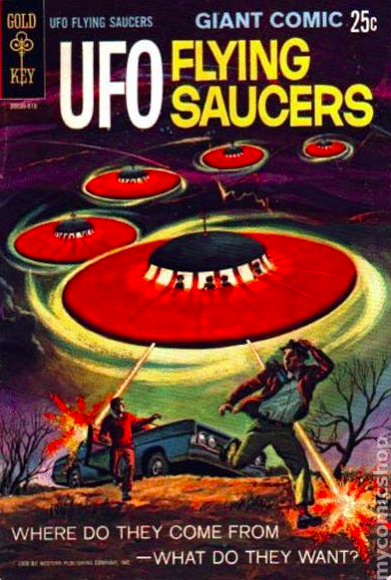
Loeb thinks reality would look far more mundane.
He believes that should the day come when non-human technology is discovered then people would still go to work in the morning as they do so for their routine.
"The adaptation would be as slow as the current response of our society to artificial superintelligence: 'Too Little, Too Late,'" Loeb notes.
Instead of sensationalism, open-source data is key to true progress, the irony being that if something truly monumental is upon us, then we’ll probably swipe past it and clock in on Monday morning as normal.