Brussels takes aim at Huawei and ZTE to rule out Chinese equipment in network security
The European Commission has recommended that member states exclude Huawei and ZTE network equipment from local telecom operators’ connectivity infrastructure due to security concerns.
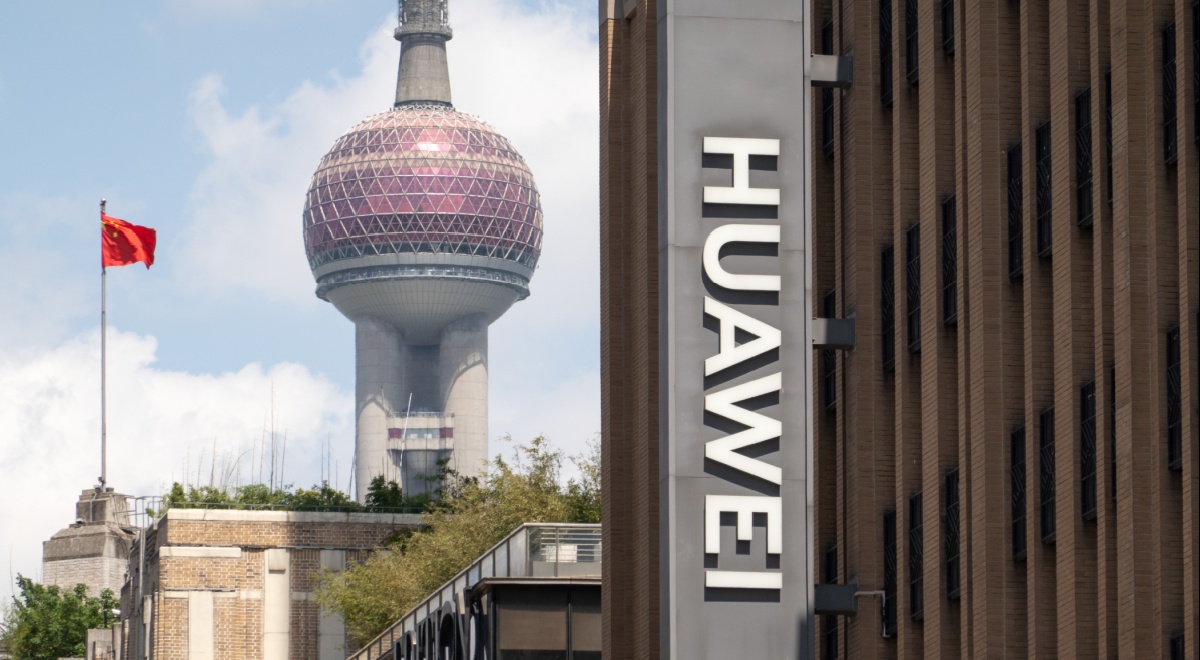
The company LOGO of Huawei's global flagship store. CFOTO/Future Publishing via Getty.

 Follow us
The European Commission has recommended that member states exclude Huawei and ZTE network equipment from local telecom operators’ connectivity infrastructure due to security concerns.
- The European Commission has recommended that EU member states exclude Huawei and ZTE network equipment from telecom infrastructure due to security concerns.
- New cybersecurity rules approved by the EU would allow member states to phase out equipment from "high-risk suppliers" in critical and sensitive infrastructure.
- China has called the rules "discriminatory" and threatened countermeasures, demanding that references to "high-risk" countries be deleted.
Key Takeaways by nexos.ai, reviewed by Cybernews staff.
A spokesperson for the European Commission confirmed this to Reuters during a briefing in Brussels on Monday.
The representative also told the news agency that the new cybersecurity rules, which aim to phase out network components from so-called “high-risk suppliers,” that have been approved, would grant the EU the possibility to ban the use of network gear from companies like Huawei and ZTE.
The news comes only a week after Beijing called Europe’s new cybersecurity rules “discriminatory.” A Chinese diplomat told reporters that the EU is applying “typical double standards.”












China is demanding that all clauses referring to “countries posing cybersecurity concerns” and “high-risk” be deleted. Beijing is threatening to take countermeasures against the EU if the new cybersecurity rules aren’t revised.
Brussels has been asking member states for years to voluntarily restrict companies like Huawei and ZTE from installing network equipment in critical network infrastructure due to national security concerns.
For this purpose, in 2020, the European Commission launched its 5G Security Toolbox, outlining a set of measures for an EU-coordinated approach to secure 5G networks.
Out of fear of retaliation from Beijing, many member states were hesitant to do so.

To encourage the Commission’s initiative, Henna Virkkunen, Executive Vice-President for Tech Sovereignty, Security and Democracy, introduced a new Cybersecurity Act proposal that would restrict Huawei from installing 5G network equipment for critical and sensitive infrastructure in Europe under EU law.
“In today’s world, everything is digitized, and all our daily lives are dependent on safe and functional information networks. Cybersecurity has gained greater importance and become an integral part of our comprehensive security. We need to equip ourselves with robust and efficient cybersecurity tools that allow for seamless cooperation across the EU. Because a cyber threat to one member state is a threat to all,” Virkkunen said in a public statement back in January 2026.
A Huawei spokesperson urged the EU to avoid “going further down the wrong path of protectionism.”
“A legislative proposal to limit or exclude non-EU suppliers based on country of origin, rather than factual evidence and technical standards, violates the EU’s basic legal principles of fairness, non-discrimination, and proportionality,” he said.
Unlock more exclusive Cybernews content on YouTube.