Europe has just approved mandatory screenings on foreign investments to protect critical sectors
The European Parliament has approved a new set of rules that will tighten the screening of foreign investments in critical sectors to prevent security risks.
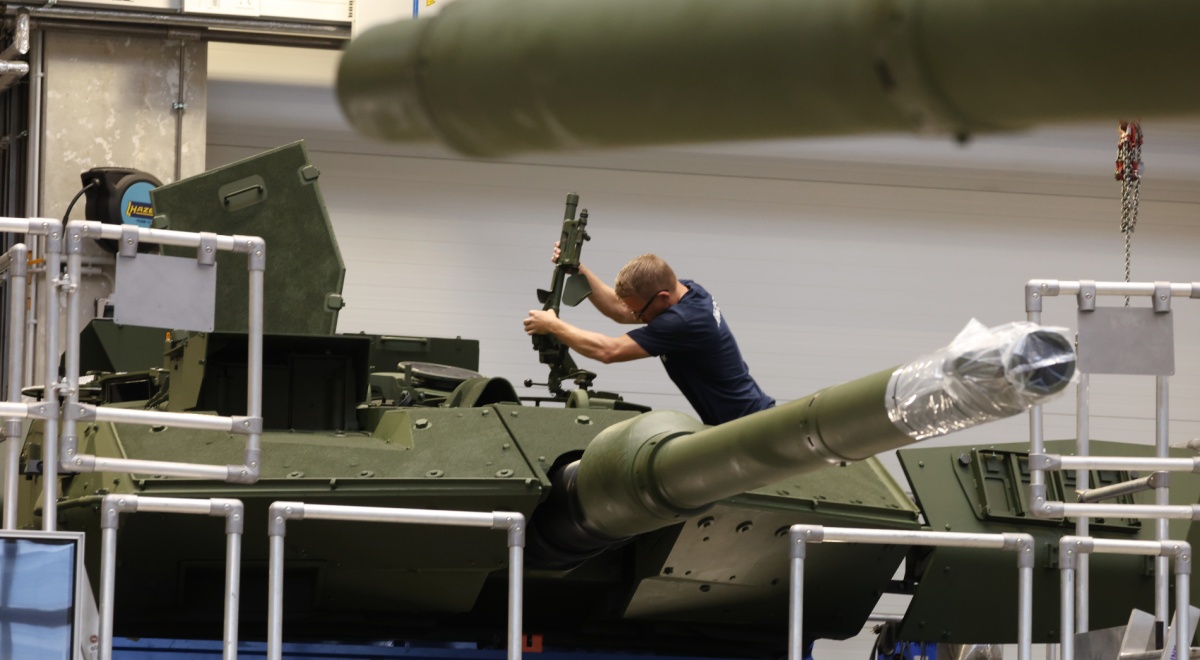
A worker installs a machine gun mount onto a Leopard 2A7 main battle tank. Sean Gallup/Getty.

 Follow us
The European Parliament has approved a new set of rules that will tighten the screening of foreign investments in critical sectors to prevent security risks.
With 508 votes in favor, 64 against, and 90 abstentions, members of the European Parliament gave the go-ahead to an agreement with EU member states on the mandatory screening of foreign investments in vital sectors, such as defense, semiconductors, AI, critical raw materials, and financial services.
The goal is to pinpoint potential security risks for the public while at the same time making sure capital from abroad keeps on flowing to European businesses.
Under the new rules, screening mechanisms are mandatory across all member states. They will be required to notify the European Commission and EU countries about foreign investment cases that could pose cross-border risks.












In addition, Brussels would gain a stronger advisory role in reviewing sensitive transactions, although national governments would retain the final say over whether deals are approved. Lastly, the list of critical sectors has been expanded to include foreign investments in military equipment and dual-use applications.
“With this text, we are closing a chapter of European naivety. Certain foreign states are seeking to weaken us. We are turning the page on the willful blindness of member states that allowed foreign actors to seize control of sensitive sectors of our economy,” Raphaël Glucksmann, rapporteur for the European Parliament, says in a statement.
The current rules on foreign investment screening go back to October 2020. Before that, member states handled foreign investment screening individually. Since Brussels felt this created risks across the European Economic Area (EEA), the foreign direct investment screening regulation was implemented.
Following an evaluation of the regulation's functioning, the European Commission concluded that the original framework was too fragmented.
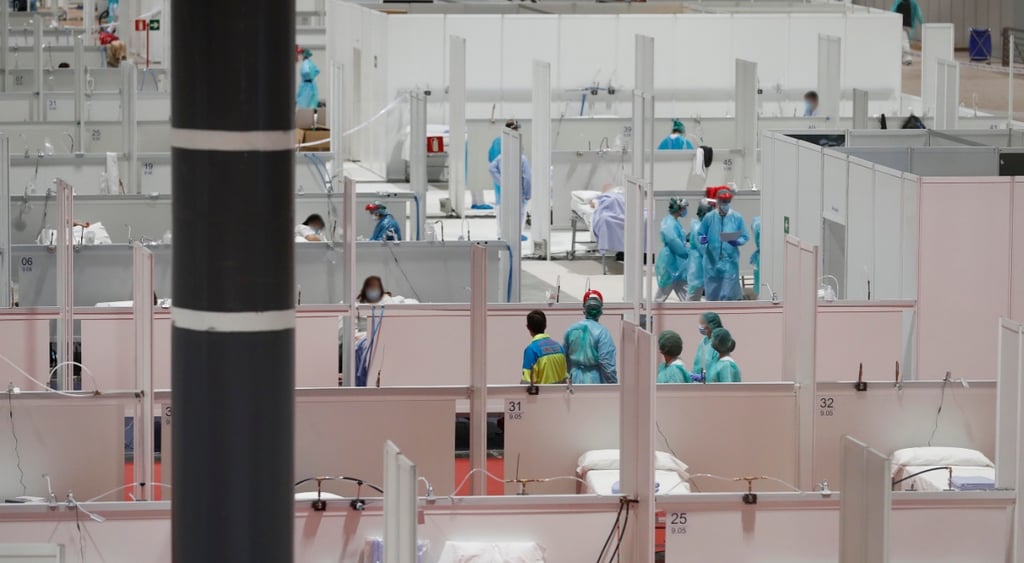
In January 2024, the Commission proposed revising the legislation to include recent affairs, such as the COVID-19 pandemic, the Russia-Ukraine war, and other geopolitical tensions, to protect critical sectors from foreign investment.
The new regulation now has to be formally approved by the European Council. Once it has been greenlit, it will enter into force 18 months later.
Unlock more exclusive Cybernews content on YouTube.