Police warned to watch people opposing Flock cameras at public meetings
There is mounting scrutiny over the DeFlock movement.
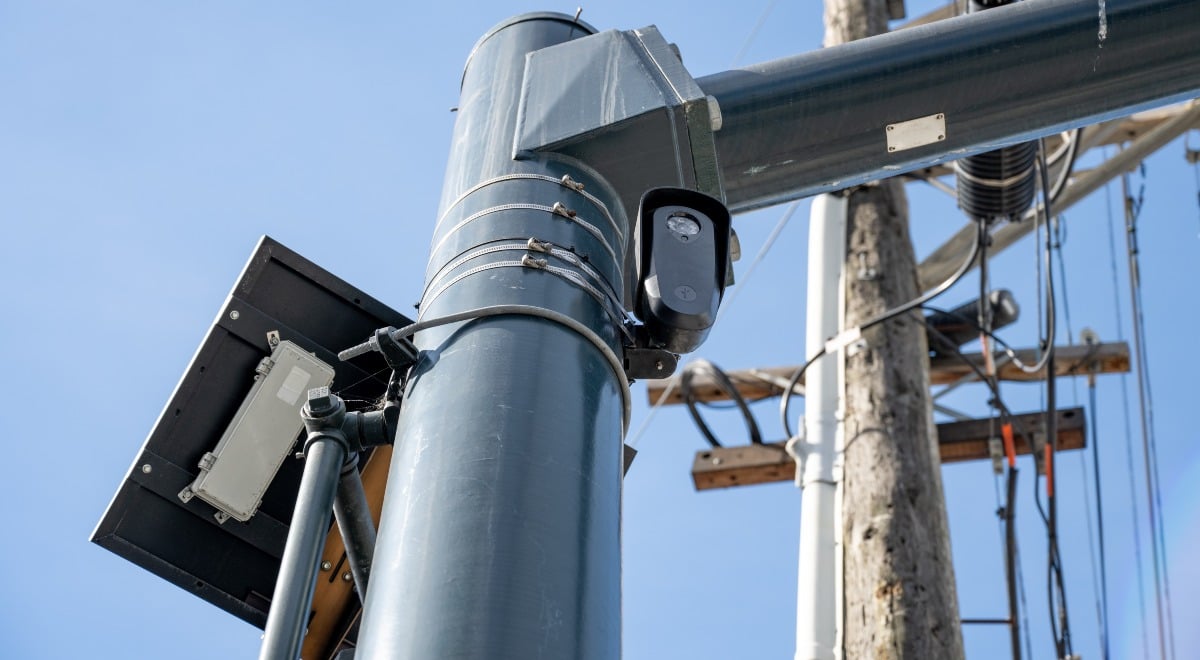
Image by Smith Collection/Gado via Getty Images

 Follow us
- A California government intelligence center warned police that Flock camera meetings could draw security risks.
- The bulletin said officials found no specific, credible threats tied to these meetings.
- Police were told to watch for unattended bags, unusual questions, and other suspicious activity.
- Public backlash has grown since Los Angeles police ended their Flock contract in July.
Key Takeaways by nexos.ai, reviewed by Cybernews staff.
The Orange County Intelligence Assessment Center (OCIAC), a government intelligence fusion center in California, issued a bulletin to police in July warning that city council meetings about Flock surveillance cameras could attract security risks.
The bulletin, obtained by 404 media, stated that council meetings “may be viewed by extremists as a desirable target,” encouraging police to look for signs of “suspicious activity.”
Potential warning signs included aspects like excessive clothing, loitering, asking unusual questions, or leaving bags and packages unattended.
The correspondence acknowledged that “no specific and credible threats” had been found in connection with city council meetings about Flock, yet advised the police to stay vigilant nevertheless.






Why are local meetings coming under such scrutiny?
It comes as a warning of public opposition to Flock cameras gathering momentum, especially since the Los Angeles Police Department (LAPD) decided to end its contract with the surveillance company in July.
The 6-page document established a potential cause and effect relationship between the police's Flock termination and subsequent pressure on city council members to follow suit.



Stay updated with our latest stories and follow us on social media
Be the first to discover new stories, ideas, and updates from our team.
Other public actions interpreted as safety risks include “large turnout exceeding room capacity,” and “emotional confrontations,” revealed 404 media.
Behavioral elements of altercations between people with opposing viewpoints, as well as threats or intimidation directed at staff were speculated upon, though it was acknowledged that “there is no publicly available information indicating extremist involvement.”
The events themselves were taken into account, citing logistical problems, including long queues, frustrated attendees, overflow areas, and delays, while also flagging traffic congestion.
The pushback against Flock continues
Scrutiny of the DeFlock movement has increased in recent weeks, given the amplification of anti-surveillance sentiment.
Flock CEO Garrett Langley even had to blur out footage of his property on Google Maps, in fear of his own privacy being intruded on by demonstrators.
A YouTuber inverted the power dynamic earlier in October, building a Flock-like system to trace police whereabouts. This, in turn, led to officers turning up at his door and questioning him, though no law was believed to have been broken.
This backlash stems from various controversial incidents involving Flock, including a senior detective using surveillance footage to repeatedly search for an ex-lover, and law enforcement making a mockery of how they searched for drivers and their vehicles.
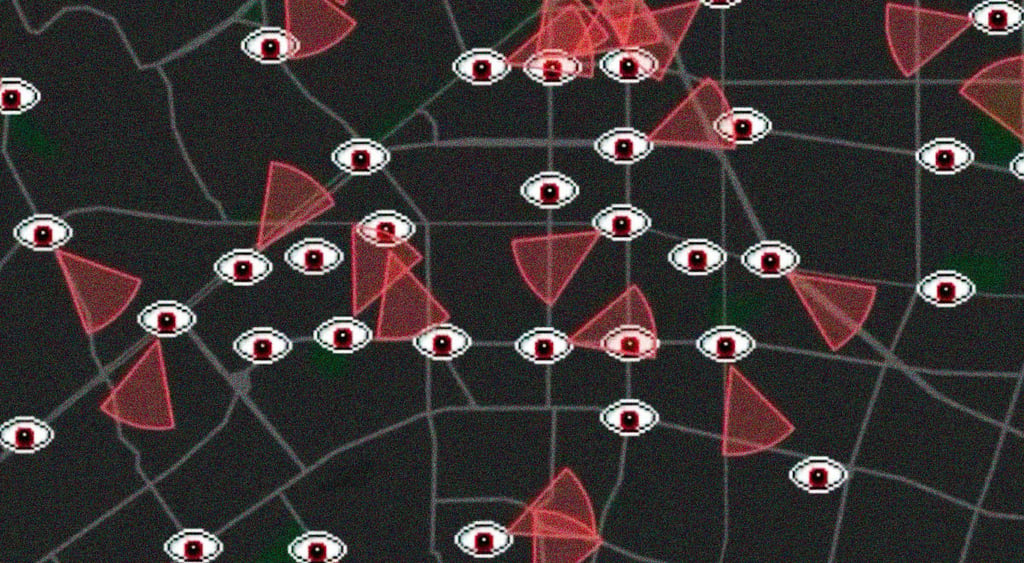
Maps of Flock camera locations have proved to be a popular tool for tracking them. On October 16th, MapQuest launched its Surveillance Layer, allowing users to worry less about being “Flocked,” predominantly in the US.
And in Switzerland, privacy company Proton produced a highly extensive map of Flock locations, also adding to the momentum of anti-monitoring.