Social media algorithms are “weapons to manipulate public opinion:” Dutch regulators call for safeguards
The Dutch Media Authority (CvdM) is calling on the government to implement measures against “anti-democratic algorithms.”
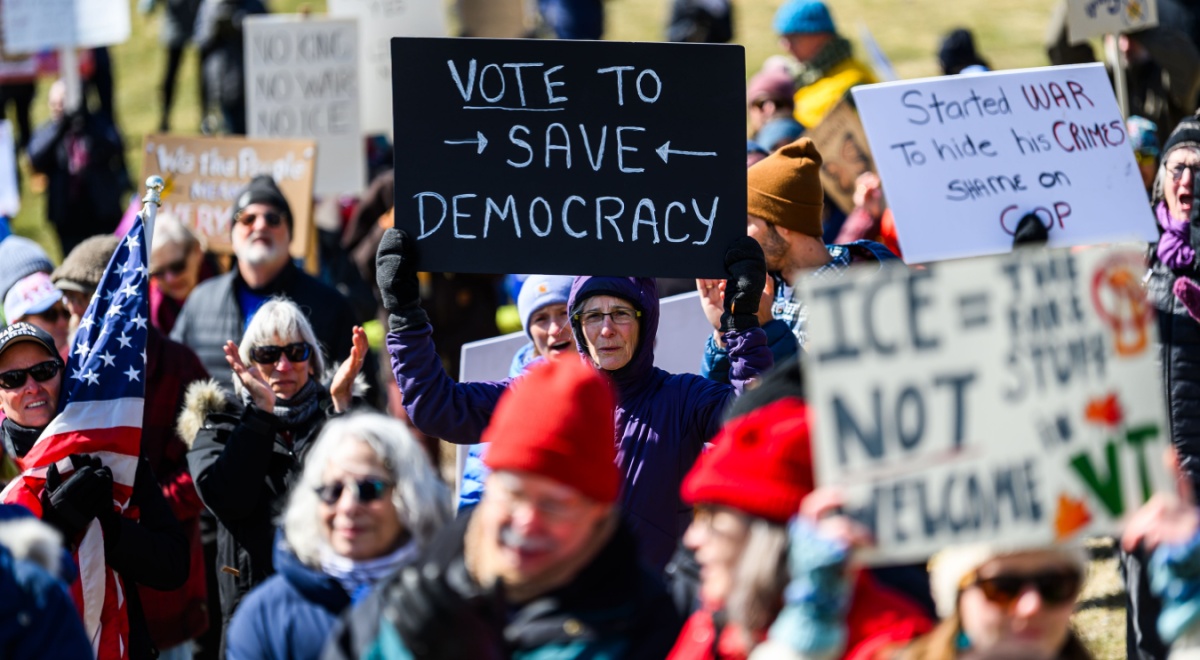
Protestors at anti-Trump demonstration. John Lazenby/UCG/Universal Images Group/Getty.

 Follow us
The Dutch Media Authority (CvdM) is calling on the government to implement measures against “anti-democratic algorithms.”
The regulator argues that online recommendation algorithms on social media platforms can be dangerous to a country’s democracy, for example, when they produce and distribute misinformation.
“The media landscape is changing rapidly. More and more people are getting their news from social media and AI services. Platform companies are increasingly using algorithms to determine what we do and do not see,” Chairman of the Dutch Media Authority Amma Asante says about these developments.
When reliable and independent news is less visible, it becomes harder for people to stay well-informed, she continues. This affects the functioning of democracy.










“That is why it is important to monitor developments in news delivery and identify risks promptly, both offline and online. Social media recommendation algorithms pose such a risk.”
In its 2025 yearly review, the media supervisor states that social media feeds are said to lead to polarized news consumption and manipulated opinions. The media authority alleges that certain platform owners are acting with “increasingly noticeable political motivation.”
The Cybernews community is talking about this. Be a part of the conversation.
“In the wrong hands, recommendation algorithms can be ‘weapons’ for manipulating public opinion,” the CvdM insists.
In addition, the regulator states that social media platforms have financial incentives to display controversial content because it encourages users to interact with advertisements, thereby keeping them on the platform longer.
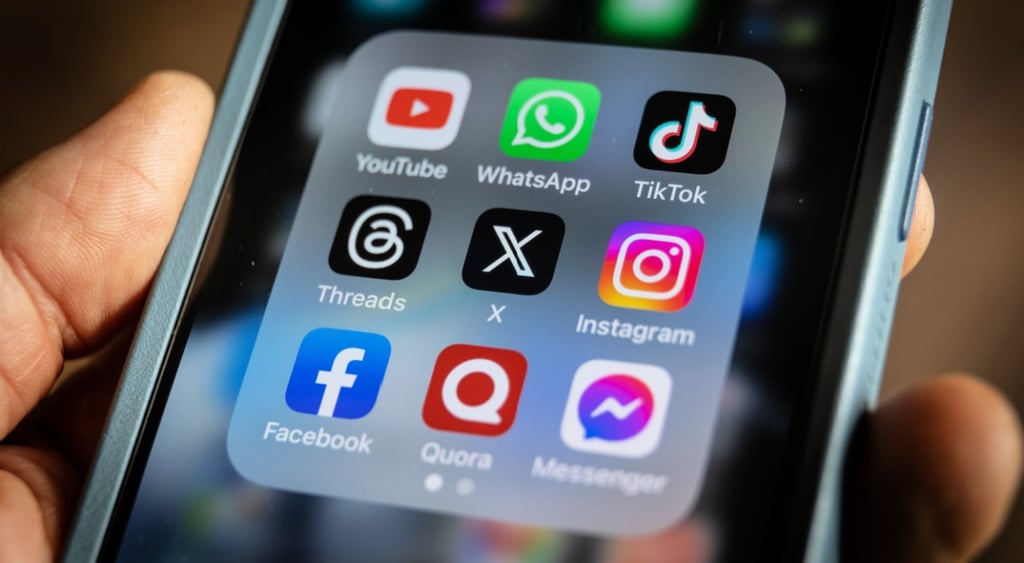
According to the media authority, the current social media order will not automatically transition to democratically healthier feeds. To this end, both national and international regulators and policymakers are encouraged to collaborate on creating more democratically sound feeds.
In this regard, changing the design of a social media platform can help.
“Platform design is a choice aligned with their (primarily) economic motives, user behavior, and existing laws and regulations. The follow-up question is what is needed to actually bring the design more in line with the public interest of democratic opinion-forming,” the CvdM concludes.
Unlock more exclusive Cybernews content on YouTube.