TikTok skips DM encryption, leaving privacy experts concerned
Unlike most of its rivals, TikTok is not planning to introduce end-to-end encryption on its direct messages. The platform says it wants to protect users, especially young people, from harm, but critics are already naming one caveat after another.
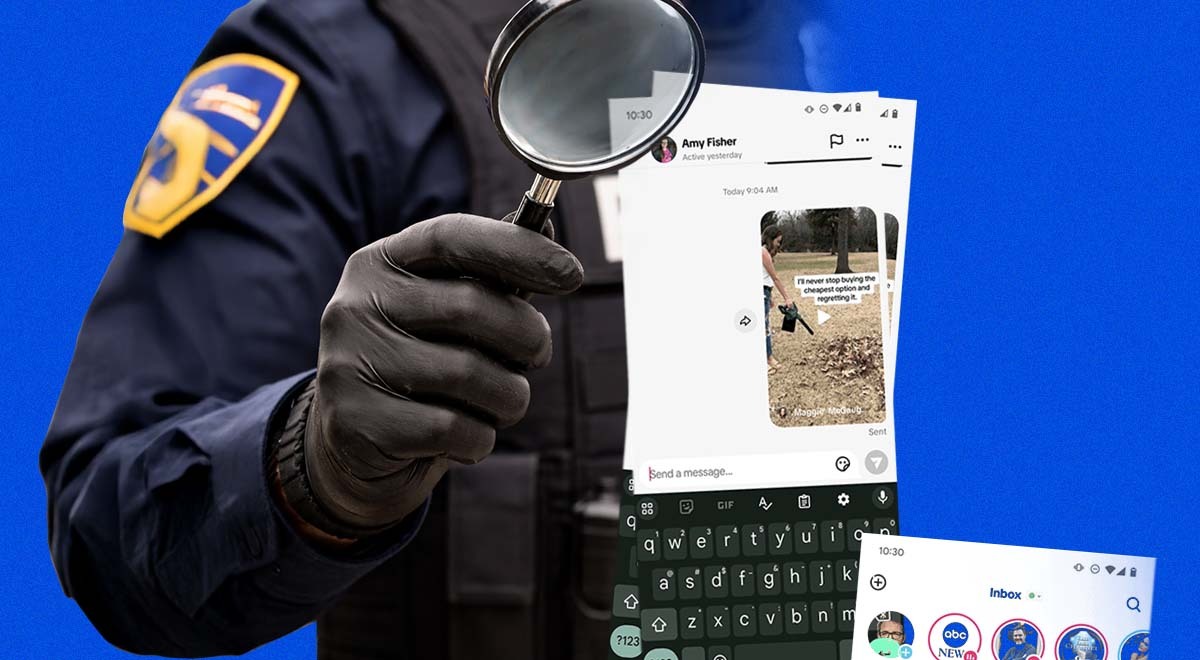
Image by Cybernews.

Unlike most of its rivals, TikTok is not planning to introduce end-to-end encryption on its direct messages. The platform says it wants to protect users, especially young people, from harm, but critics are already naming one caveat after another.
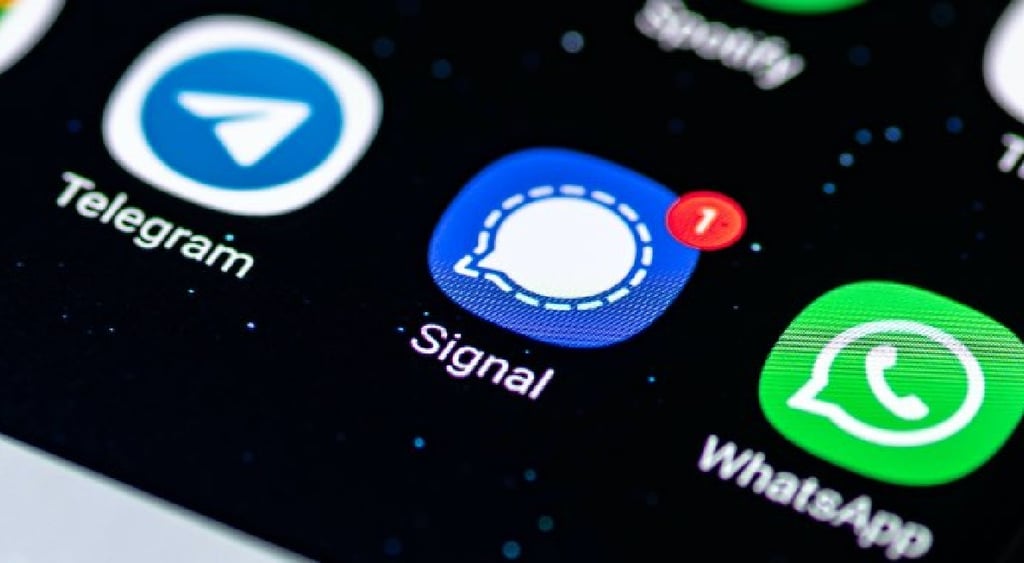
Signal, Facebook, Instagram, Messenger, and other platforms have been encrypting direct messages (DMs) by default for quite some time, claiming that user privacy is their primary concern.
End-to-end encryption, of course, means that only the sender and recipient of a DM can view its contents. Platforms and privacy experts have praised the feature and equated it to, let’s say, sending a sealed physical letter hundreds of years ago.
However, TikTok, the hugely popular social media platform, now says it won’t introduce end-to-end encryption because it actually makes users less safe.
Privacy absolutism? TikTok says no



TikTok told the BBC it believed end-to-end encryption prevented police and safety teams from being able to read direct messages if they needed to. The platform also said it wanted to protect users, especially young people, from harm.






The company even described its stance as a deliberate decision to set itself apart from rivals that have chosen the path of privacy absolutism.
And indeed, some experts say that end-to-end encryption of DMs makes it more difficult to stop harmful content from spreading online.
According to Aras Nazarovas, senior information security researcher at Cybernews, TikTok’s stance enables it to read and monitor user DMs for harmful content and to share them with law enforcement when requested.
“This makes it easier to detect and investigate potential crimes. This could also be a selling factor for parents when choosing what social media apps they allow their children to use,” said Nazarovas.
Governments, police forces, and child protection charities don’t like end-to-end encryption. What about privacy, though?
To some, TikTok’s decision seems quite controversial as end-to-end encryption has been hailed by experts as the best way to protect private conversations from hackers, corporations, and repressive regimes trying to spy on users.
A big target on TikTok’s back?
It just so happens that TikTok – a platform with more than one billion users worldwide – has long been accused of close ties to the Chinese government. Critics say this may put users’ data at risk.
Alan Woodward, a cybersecurity professor at Surrey University, told the BBC that “Chinese influence might be behind the decision,” adding that end-to-end encryption is “largely banned in China.”
According to Cybernews’s Nazarovas, collecting all of those private chats in a readable format theoretically allows TikTok to share them with the Chinese government, which can use the data for various purposes.
“It also draws a big target on TikTok’s back for hackers who might want to get a hold of all that easily readable data,” Nazarovas added.
True, as Nicholas Carr points out in his brilliant book “Superbloom,” regimes and spies have always been keen to snoop on people’s private correspondence, breaking seals and gently steaming off envelopes for ages. But we’ve always felt we had the right to privacy.
Check if your data has been leaked
“The continuing, dogged efforts to keep correspondence secure nonetheless made clear that people shared a common, deeply held belief: personal conversations are private. Whether whispered or written, messages exchanged by individuals deserve to be protected from others’ eyes and ears,” writes Carr.
According to Nazarovas, users who value privacy and want to use end-to-end encryption to protect their sensitive communications might shy away from TikTok and avoid using it for messaging purposes.
Unlock more exclusive Cybernews content on YouTube.