US lifts sanctions on three linked to Predator spyware
The US has lifted sanctions on three people who have previously been accused of being involved in developing and distributing Predator, a powerful spyware tool alleged to have been used against journalists, politicians, dissidents, and US officials.

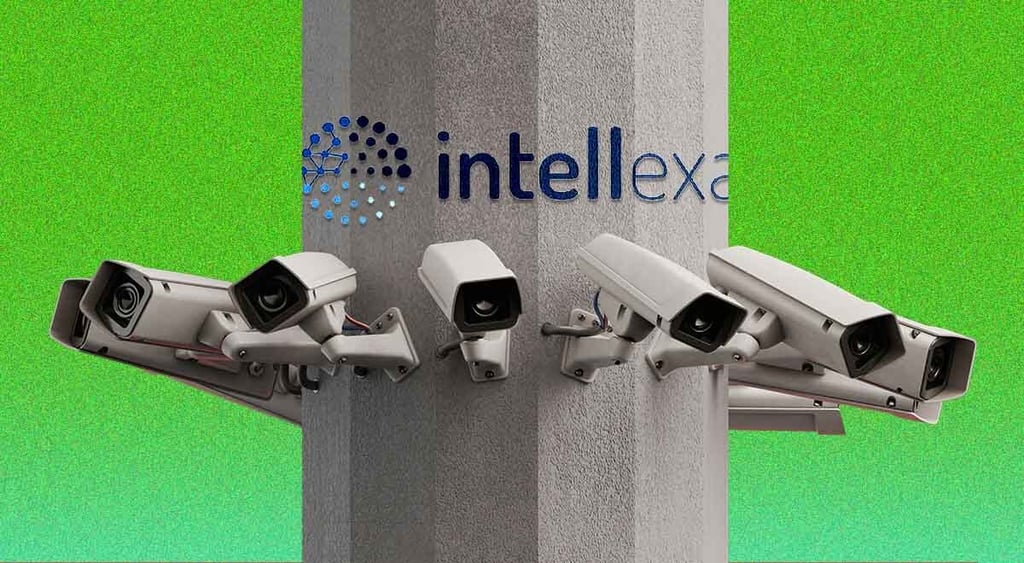
Image by Cybernews.

 Follow us
The US has lifted sanctions on three people who have previously been accused of being involved in developing and distributing Predator, a powerful spyware tool alleged to have been used against journalists, politicians, dissidents, and US officials.
The Department of the Treasury has stated that the decision to remove Sara Aleksandra Fayssal Hamou, Andrea Nicola Constantino Hermes Gambazzi, and Merom Harpaz from the list of banned businesses came after a review process, and that the trio has shown steps to distance themselves from the Intellexa Consortium – the company behind Predator.
A US official who spoke to Reuters said that the removal "was done as part of the normal administrative process in response to a petition request for reconsideration."
Although it remains unclear what specific steps have been taken by the trio to distance themselves from the controversial business, when they were initially added to the sanction list, the Treasury Department described:
- Hamou – a corporate off-shoring specialist who has provided managerial services to Intellexa, including renting office space in Greece
- Gambazzi – the beneficial owner of Thalestris, a company that holds distribution rights to the Predator spyware
- Harpaz – a top executive of the Intellexa Consortium who acted as a manager of Intellexa






This decision was met with criticism from digital hacktivists and human rights experts, including John Scott-Railton, a senior researcher at the University of Toronto’s Citizen Lab.
He called the de-sanctioning “puzzling” and linked to several studies that suggest Predator is still active in several countries.
This decision to lift sanctions for the trio cancels the decision made by the then-US president Joe Biden’s administration. At the time, the White House was targeting Intellexa and those close to the company due to a concern that Predator spyware posed “distinct and growing security risks” to the United States.
It was the first time that the government had sanctioned a commercial spyware entity, which effectively froze any US assets that the trio may have possessed.
Why is Predator so dangerous?
The sanctions imposed on Hamou, Gambazzi, and Harpaz were not the first time Intellexa made it onto the media and caught the significant interest of law enforcement agencies.
Predator is a commercial smartphone surveillance software that targets high-value users, typically those who may possess important information, such as journalists, academics, politicians, dissidents, and US officials.
The software can function on both Android and iOS users.
The company’s software, Predator, enables mobile phone and internet surveillance and was detected on devices belonging to victims in the Middle East, Africa, Europe, and the United States. In recent years, the company has been accused of servicing the Egyptian government, as well as Vietnam, according to security researchers and press reports.

“Once a device is infected by the Predator spyware, the spyware can be leveraged for a variety of information-stealing and surveillance capabilities – this includes the unauthorized extraction of data, geolocation tracking, and access to a variety of applications and personal information on the compromised device,” Treasury Department officials described in a statement last year.
Login credentials, phone logs, text messages, photos, audio recordings, browser data, credit card credentials, folders, crypto files, gaming accounts from Discord and Steam, and screenshots are among the data that Predator is set to steal.
For example, in 2023, Amnesty International reported that a group of hackers working on behalf of the Vietnamese government tried to install the spyware on the phones of Democratic Sens. Gary Peters and Chris Murphy, and Republican Congressman and House Foreign Affairs Chairman Michael McCaul via X and Facebook.
The attempt happened during a negotiation between the US and Vietnamese diplomats to counter Chinese influence in South East Asia, The Washington Post reported.
Journalists from CNN who cover East Asian affairs were among the targeted, too.
Moreover, Intellexa is known for investing in and partnering with other spyware companies.
Unlock more exclusive Cybernews content on YouTube.