East London's coolest enclave is about to get a not-so-cool neighbor
Brick Lane's £500m data center gamble
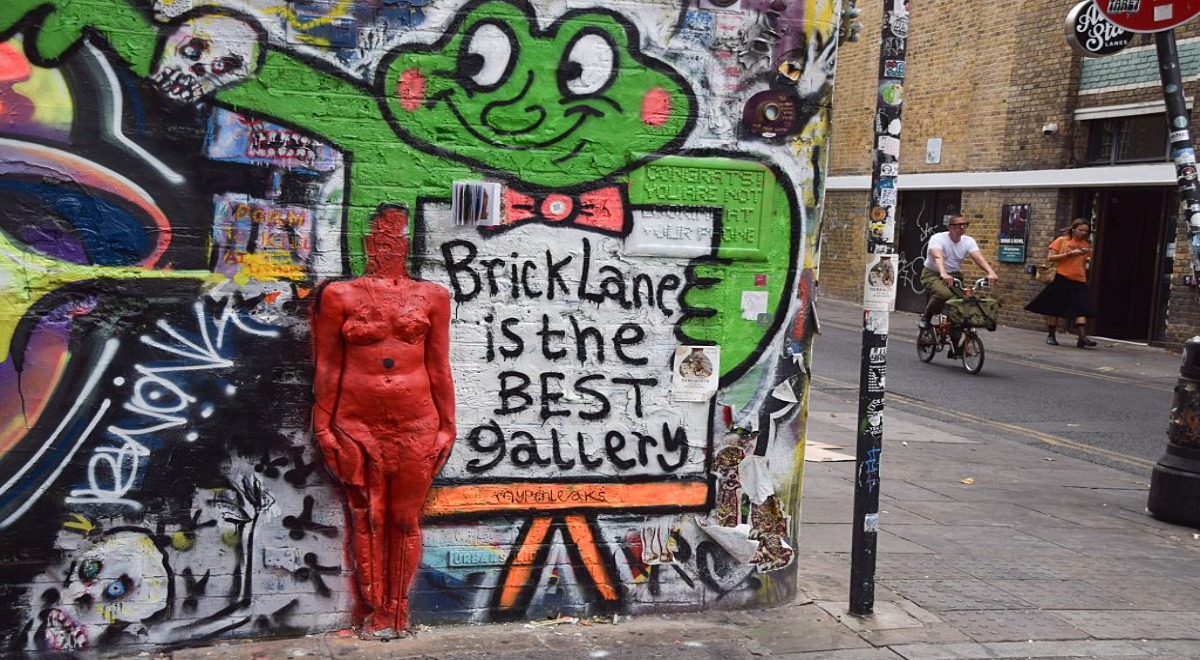
Photo by Vuk Valcic/SOPA Images/LightRocket via Getty Images

 Follow us
- Brick Lane data center approved – 5,200 sq m facility is set for the Truman Brewery estate after a six-year planning fight, despite objections from Tower Hamlets Council and local campaigners.
- Built for finance, not AI – the center will provide ultra-low latency connectivity for high-frequency trading firms in the City of London, not AI workloads.
- Resource demands – it's projected to use enough electricity to power over 15,000 homes, raising alarm amid the UK's current drought conditions
- Part of a wider UK boom – the approval reflects a broader surge in British data center construction, mirroring a trend playing out across Europe as digital infrastructure races to keep pace with demand
Key Takeaways by nexos.ai, reviewed by Cybernews staff.
Brick Lane, one of London’s most iconic streets, is set to become the site of a controversial data center development in Britain’s race to expand its digital infrastructure.
On its cobbled streets, which have inspired REM and Killers videos, Banksy murals and an eponymous best selling novel by Monica Ali, visitors can find everything from vintage clothing to 24 hour bagels, curry houses to a constantly evolving roster of street art.
Generations of British Bangladeshis have also made the neighbourhood the cultural heart of their community.







And now the 5,200 square metre data facility looks set to join this eclectic mix, despite years of objections from local communities.
Powering city traders
The center is not being built to power AI, but to provide ultra low latency connectivity for high-frequency trading firms in the nearby City of London, where milliseconds can make the difference in financial transactions.
After a six-year planning fight, the UK government has approved the £500m redevelopment of the Truman Brewery estate on Tuesday, overriding objections from Tower Hamlets Council and local campaign group coalition, Save Brick Lane, which branded the move “deeply disappointing.”
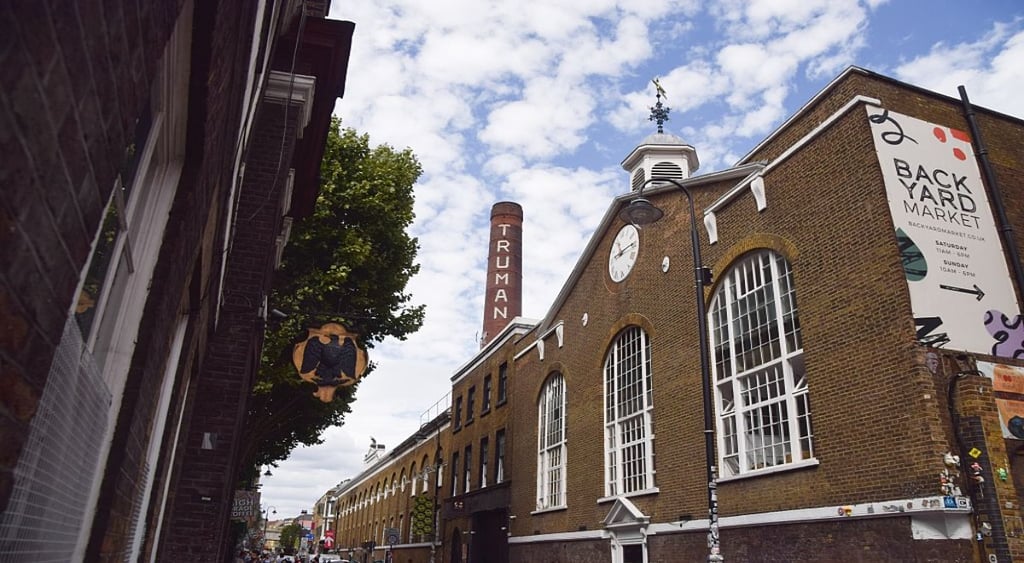
While the scheme also includes new offices, 44 homes, a cinema, exhibition space and restaurants, for many residents the data center has become the focus, with campaigners arguing that local people will bear the environmental and social costs while seeing few of the benefits.
"Our community should not be expected to accept a noisy, energy-intensive development."Save Brick Lane campaigning coalition
“Our community should not be expected to accept a noisy, energy-intensive development,” Save Brick Lane said, arguing that the facility will consume enough electricity to power more than 15,000 homes, while serving the interests of the financial district, rather than local residents.
Water shortages
The approval has also reignited concerns about the environment footprint of data centers as the UK bakes in an uncharacteristically hot and dry summer, facing drought conditions.
"It will use a huge amount of water and local people will suffer."Campaigner Dr Fatima Rajin @Nijjor Manush
“It will use a huge amount of water and local people will suffer, water will become a luxury commodity,” campaigner Dr Fatima Rajina told The Guardian.
Critics say that the redevelopment also does little to address the area’s acute house shortage. Of the 44 homes included in the scheme, only six will be available for social rent, despite more than 30,000 households remaining on the borough’s housing waiting list.



Stay updated with our latest stories and follow us on social media
Be the first to discover new stories, ideas, and updates from our team.
The Guardian reports that Save Brick Lane, a coalition of nine local residents groups is seeking expert advice on whether the government’s decision can be challenged.
Like many other European countries, data center construction is on the rise in Britain.
According to construction researchers Barbour ABI, there are around 500 data centres across the UK, with that number expected to increase by a fifth over the next five years, largely concentrated in London and the south east.