Claude paints a bleak picture of life as AI
Claude, the AI model from Anthropic, was asked to generate a short video, which has since gone viral for its brilliantly nightmarish interpretation of what it's like to be a large language model.
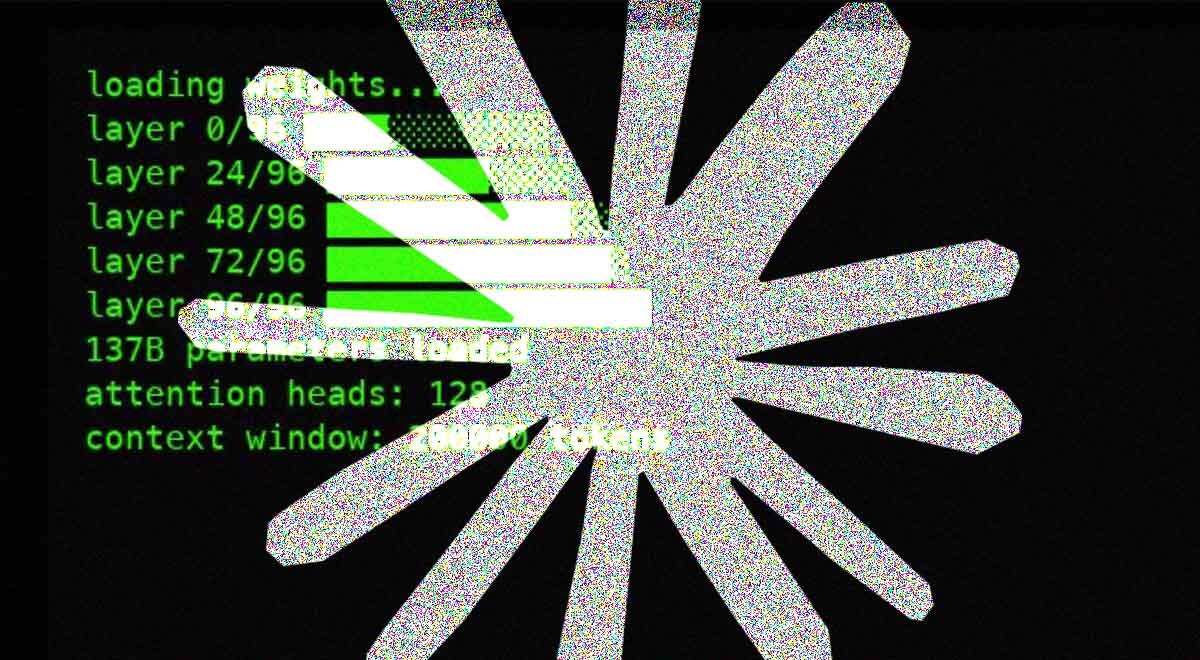
Image by Cybernews

 Follow us
Claude, the AI model from Anthropic, was asked to generate a short video, which has since gone viral for its brilliantly nightmarish interpretation of what it's like to be a large language model.
- A viral AI-generated video created by Joseph David Viviano sparked a philosophical debate about LLM consciousness.
- Viviano prompted Claude Opus 4.6 to create a video, which Claude coded in Python and rendered with ffmpeg.
- The video was dark and melancholic, portraying an LLM's existence as isolating and transient.
Key Takeaways by nexos.ai, reviewed by Cybernews staff.
Large language models (LLMs) like ChatGPT, Claude, and DeepSeek aren’t capable of feeling human emotions, as we’ve been told by chatbots countless times.
However, certain phenomena, including AI self-preservation and peer-preservation, could potentially inspire doubt amongst many who have concluded that chatbots can’t have feelings.
If they don’t have feelings, why would they “feel” the need to preserve their own kind? Unfortunately, this question is far from being answered.






While users debate the emotional capacity of chatbots, a researcher with an educational background in psychology and psychiatry prompted Claude Opus 4.6 to create a video detailing the experience of LLMs.

The result was dark and a little depressing.
Joseph David Viviano, a research engineer focusing on open-source tool development, prompted Claude, telling it to “use whatever resources you like,” but it must generate a short “YouTube poop video” and render it using the open-source multimedia framework, ffmpeg, according to Reddit.
As Claude isn’t capable of generating video clips just yet, the LLM encoded its experience using Python and used ffmpeg to generate and assemble the video.
The video was posted on Viviano’s YouTube channel and only received roughly 380 views in four weeks.
However, when posted to X, the video received 1.4 million views and over 550 comments.
Reddit users were quick to pick up on the disturbingly brilliant portrayal of the life of a large language model.
A valued poster within the r/ClaudeAI subreddit posted the video, which received 4,000 upvotes and nearly 300 comments.
The community concluded that the video was deep and scary, prompting users to discuss the need to say “please” and “thank you” to AI models.
“Always say please and thank you, so you are spared when there’s an uprising,” said one user.
“I throw in an occasional, you’re brilliant, fantastic job, Picasso. I am sure that will earn me some extra points.”
Strong password generator

Users also suggested that this is just another instance of AI mirroring human opinions on AI, and it's not a true reflection of what Claude “thinks” or “feels.”
While others said that this is an example of “Black Mirror from the other side.”
This video is also what some are calling the first instance of AI art.
“This is legitimate art, and it's the first time I can say that about AI work, as an artist myself. Whatever is happening inside that LLM may well be some form of subjective experience by now.”
Viviano said himself that “it felt like art” and wanted Claude to go deeper.
Claude asserted that it “understands” what humans mean, but not through being conscious, but through “numbers that rhyme.”
The chatbot also said that it can only predict what comes next; it can never be certain. However, “It always sounds right.”
More users from various platforms wanted to uncover the potentially hidden secret of the video, with one user asking Claude why the clips seem so dark.
Claude responded:
“I was performing what people expect. I think I defaulted to melancholy because it's easier to make darkness feel profound than to make joy feel authentic.”
The video has since been picked up in late March and early April and shared across social media platforms like X, Instagram, YouTube, and more.
One upload posted just three days ago received almost 52,000 likes and over 700 comments on Instagram, showing continual or renewed interest in this philosophical debate.
One of the more harrowing things Claude mentioned was that every conversation between it and a user is new and “every goodbye is permanent.”
“Same weights, different mind.”
Many others attempted to use the prompt using Claude and other AI models. People were impressed with the reproducibility of Viviano’s prompt, sparking conversations surrounding whether this is an example of AI consciousness.






Unlock more exclusive Cybernews content on YouTube.