Europe is spending $235 billion to break China’s grip on electric cars
Europe has committed nearly $235 billion to build its electric vehicle ecosystem, in a bid to challenge China’s monopoly in the EV battery market. Beijing currently manufactures over 80% of the world's batteries, leaving European car makers dependent on Chinese supply chains and vulnerable to geopolitical pressure.
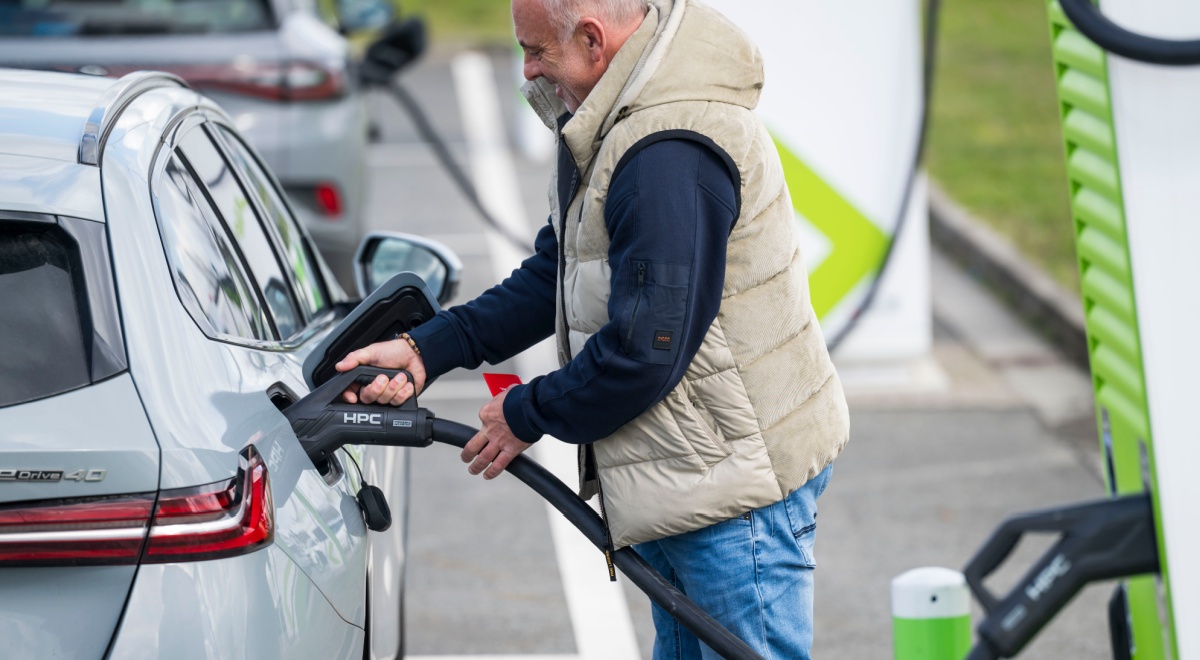
Electric cars are charged at an Allego charging station at Frankfurt Airport. Thomas Lohnes/Getty.
 Follow us
Europe has committed nearly $235 billion to build its electric vehicle ecosystem, in a bid to challenge China’s monopoly in the EV battery market. Beijing currently manufactures over 80% of the world's batteries, leaving European car makers dependent on Chinese supply chains and vulnerable to geopolitical pressure.
Countries of the European Economic Area and Switzerland have committed almost $235 billion in investments to their electric vehicle ecosystems, data from New Automotive showed on Monday.
Investments were mainly focused on the battery supply chain, with $128.08 billion engaged so far, as the continent tries to challenge the Chinese monopoly in battery production.
China manufactured more than 80% of all the batteries made in 2025, also those used outside the EV sector, the International Energy Agency said earlier this year.











"Europe now produces batteries for roughly one in three EVs sold domestically, and announced capacity could meet future demand if fully utilized," New Automotive said.
Some $70.51 billion was invested in EV manufacturing, focused on converting legacy automotive plants alongside selective new EV-only facilities, said the research body, whose stated mission is to accelerate the switch to electric cars.
Investments in charging infrastructure covered between $27.03 billion and $54.05 billion of public rollout, with over 1 million public charging points deployed across Europe. More than 3.5 billion euros were invested in the manufacturing of this infrastructure.
"These investments support more than 150,000 jobs, with a further 300,000 jobs expected if all announced projects are fully realized," Chris Heron, secretary general of campaign group E-Mobility Europe, said about the report in a separate statement.
New Automotive's report, however, showed a disparity on the national level, with major auto producer Germany accounting for almost a quarter of the region's investments.
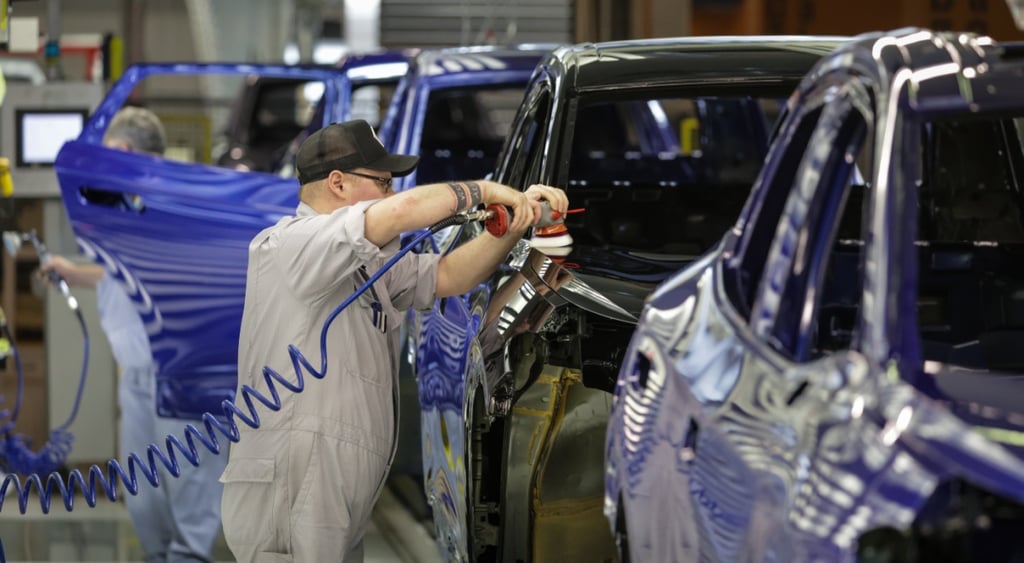
"The country anchors both domestic production and wider European value chains, with leading OEMs transitioning at scale alongside major international battery manufacturers," New Automotive said.
The European Commission unveiled a plan in December to drop the European Union's effective ban on new combustion-engine cars from 2035 after pressure from the region's auto industry, marking the bloc's biggest retreat from its green policies in recent years.
Heron said that Germany, Italy, and Central and Eastern Europe have formally opposed the EU’s 2035 cars and vans framework, while more than half of the tracked investments are concentrated in these regions.
"France and Spain stand out as other major beneficiaries (of the investments)," he added.
Unlock more exclusive Cybernews content on YouTube.