“Denmark is changing:” meet the activist who wants Danes to ditch big tech
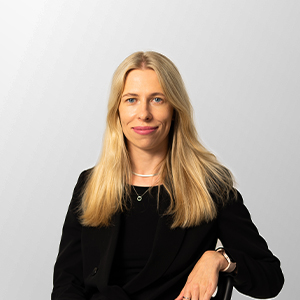
Danish activist Lise Bitsch says we cannot afford to wait for the government to help us take control of our digital lives. That’s why she brought together volunteers to teach Danes about the alternatives to big tech.

Lise Bitsch. Image by Cybernews

 Follow us
Danish activist Lise Bitsch says we cannot afford to wait for the government to help us take control of our digital lives. That’s why she brought together volunteers to teach Danes about the alternatives to big tech.
Bitsch, with a decade-long background in citizen engagement in science and technology research projects, met Bergliot Borg Christensen and Signe Wolsgård Krøyer, with whom they shared frustration over how big tech exploits their attention and data.
At the same time, they noticed a lack of political action, with governments expecting “citizens themselves will fix the issue,” as Bitsch puts it.
They established the association “Digital Stemme” – or “Digital Voice” in English. It is aimed at “creating a digital future where technology exists for people and society – not the other way around,” according to its website.











The association’s activities are currently limited to Denmark, a European country with a population smaller than that of New York City. However, its goals reflect the broader sentiment on both sides of the Atlantic.
Over half of Americans (53%) say they want to reduce the time they spend looking at screens. In European countries, where the movement to break up with big tech is gaining traction, 73% of people think they are too dependent on American tech companies.
Bitsch’s story shows that citizen efforts are powerful, but challenges in achieving digital independence remain.
US threats “supercharged” the conversation
The association, which runs entirely on the voluntary efforts of seven activists, launched the campaign “Danmark Skifter,” or “Denmark is Changing.” It started with people’s New Year’s resolutions to regain control of their digital lives.
Bitsch says around 8,500 people signed up to the campaign, despite the association having no professional advertising capacity or the ability to travel around the country to meet people.
The activists prepare kits listing alternatives to big tech based on people’s concerns, ranging from environmental issues to the desire to avoid the digital space. The kits include guides on how to switch to alternatives step by step and make small changes.
Bitsch says the aim is to make the alternatives, which are more transparent about how they use and process data, more accessible to people who don’t have technical skills, expertise, or time.

“The ones that are relatively easy to start using, and you don’t have to be a very technical person to be able to integrate them into your everyday life. Our focus is ordinary people, and we feel like we need to be pragmatic at the beginning,” she says.
While the organization doesn’t collect data on those who joined, Bitsch says they can be anyone – from those who want to go completely analog to those who seek to continue living the way they live with better privacy protection.
There appears to be a growing appetite among Danes for disconnecting from big tech. A survey shows that 45% are concerned about foreign technology companies influencing democracy in the country, and 42% want to switch to European platforms.
The campaign comes amid increasingly tense relations between the US and Denmark, after President Donald Trump pressured its long-term ally to cede control over Danish territory, Greenland, refusing to rule out using military force for annexation.
Danish apps Made O'meter and UdenUSA made for boycotting American goods, surged in popularity in early 2026 at the peak of tensions.
The Danish government announced phasing out Microsoft back in 2025, replacing it with LibreOffice. In recent months, similar efforts to switch to European alternatives were seen across France, Germany, and Austria.
Bitsch says the conversation over breaking up with Silicon Valley giants was “supercharged” by Greenland threats, which coincided with the beginning of her campaign.
“It sparked even more discussions about the role of these companies and what they can do,” she tells Cybernews.
Moving to alternatives as a group
The campaign will end on March 20th, with events taking place across Denmark. It will include meetings in cafes or libraries where people can consult about the challenges they face when switching to alternatives. Others will simply come and be present with each other.
“We are encouraging people to organize their own private events. To meet with their friend group, have dinner, and talk about services they are using and move to an alternative as a group,” Bitsch says.
Group efforts may be the key to breaking the network effect, the challenge many alternative platforms have faced.
When Elon Musk acquired Twitter in 2022 and later renamed it X, changes to content moderation policies sparked a mass exodus of users to Bluesky and Mastodon.
We are encouraging people to organize their own private events. To meet with their friend group, have dinner, and talk about services they are using and move to an alternative as a group.Lise Bitsch
However, many users eventually returned to X because they didn’t find their established communities on alternative platforms.
Nevertheless, Europeans are eager to build their own digital spaces. W, the platform aimed at replacing Musk’s X, is coming soon, while Monnett has attracted over 50,000 users in its first months of launch.
Bitsch says her campaign doesn’t exclusively focus on European alternatives. Yet, many platforms it promotes are Danish or from other Scandinavian countries, including Hudd, Oase, Meningspunktet, and SOCii.
Many of these alternatives emphasize user control, data privacy, and push back against exploitative algorithms, addressing common concerns with American platforms like Instagram and Facebook.
Political will for digital independence
While Bitsch believes citizens aren’t powerless, Digital Stemme is still working with politicians. They co-organize debates for Denmark’s upcoming national election and ask politicians to pledge to be present on alternative platforms.
“Not just copies, but the ones that are actually trying to do things better,” she says.
The political will for reducing digital reliance on the US appears to be growing across Europe, but the bid for freeing Europeans from Silicon Valley hits a stark reality – at least for now.

Three US cloud providers, Amazon, Microsoft, and Google, account for 70% of the European cloud market. Most card purchases in Europe go through US payment systems, Visa or Mastercard.
Systemic changes will take time, especially in the EU, which is known for its bureaucracy. And yet, activists like Bitsch are taking matters into their own hands.
She tells Cybernews, “We want to have citizens’ voices be heard in terms of the services that are developed or that don't need to be developed.”
Unlock more exclusive Cybernews content on YouTube.