Meta uses AI to analyze users' bone structure for age verification, insists it's not facial recognition
Meta is rolling out new AI tools to detect underage users across Facebook and Instagram, including a system that analyzes bone structure in photos and videos.

Image by Cybernews

 Follow us
Meta is rolling out new AI tools to detect underage users across Facebook and Instagram, including a system that analyzes bone structure in photos and videos.
In the recent blog post, published on Facebook’s news page on Tuesday, Meta detailed how it is expanding age assurance across its apps.






As Meta points out, Instagram and Facebook require users to be at least 13, and it claims that its system already looks at text signals for contextual analysis – including mentions of school grades, birthdays, or teen-related content in posts, bios, and comments.
“We look for these signals across various formats…and we’re continuing to expand this technology across additional parts of our apps like Instagram Reels, Instagram Live, and Facebook Groups,” the company added.






“Definitely not facial recognition!”
In addition, a new visual analysis layer is being added, which Meta insists is not facial recognition.
According to Meta, its AI can scan images and videos to estimate age using "general themes and visual cues.” The tech giant claims the system does not identify individuals, distinguishing it from facial recognition.
The conversation on this topic is live. Join in the discussion.
“Our AI looks at general themes and visual cues, for example, height or bone structure, to estimate someone’s general age; it does not identify the specific person in the image,” Meta said.
Accounts flagged as potentially underage may be deactivated, forcing users to go through an age verification process to regain access.
Strong password generator

In a further rollout of AI analysis, Meta adds that to handle these kinds of reports more effectively, it is “supplementing” its human review teams with AI models to enhance consistency and accuracy.
The internet pushes back
While the company says the tech is not facial recognition, critics aren’t convinced, with others pointing out that while this may work for so-called “looksmaxxers” with clearly defined jawlines, it might also discriminate against adults with softer features, as well as those who might not want a machine to define their birth gender.
On one Reddit thread SHODAN117 joked: “First they came for the chinless.”
Others largely dismissed the move as “pseudoscience,” and “AI phrenology,” and easily bypassable “age verification theater” aimed at governments rather than at keeping children safe.
Mediocre_remnants writes: “The target audience for this technology and the blog post is politicians (aka “powerful people who don’t bother to look at how stupid it actually is in practice”). The politicians will see that Meta is being proactive about being ‘safe for children’ and not threaten to regulate them.”
Last month, cybersecurity consultant Paul Moore demonstrated on social media how the EU’s age verification app could be bypassed in under two minutes.
This week, a study by online safety organization Internet Matters found that a third of kids in the UK admitted to bypassing age checks.
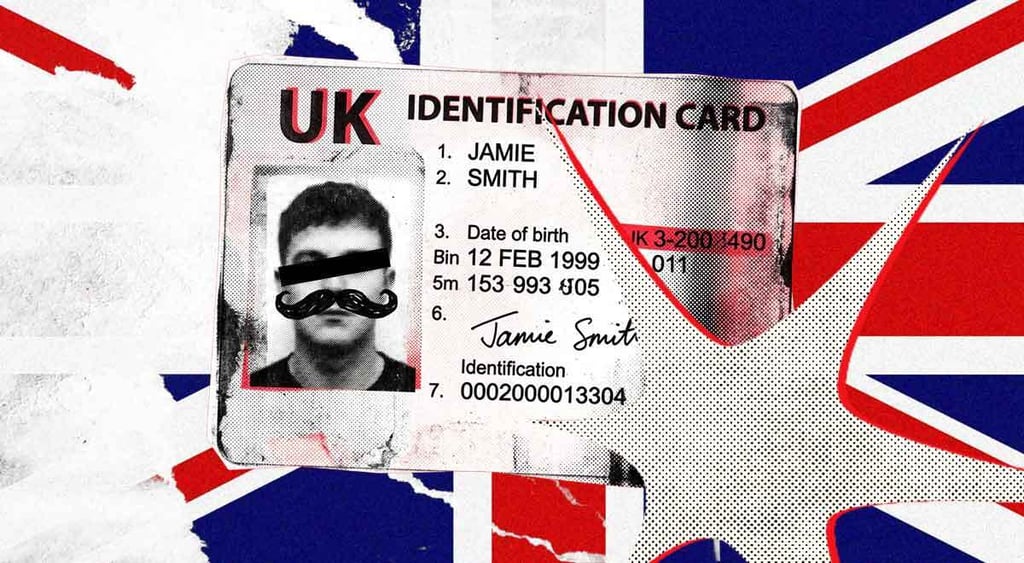
British tweens were using VPNs, fabricating data, using someone else’s IDs, or even drawing on fake moustaches to bypass age verification on various platforms.
Unlock more exclusive Cybernews content on YouTube.