Meta bans Dutch sex workers from using WhatsApp
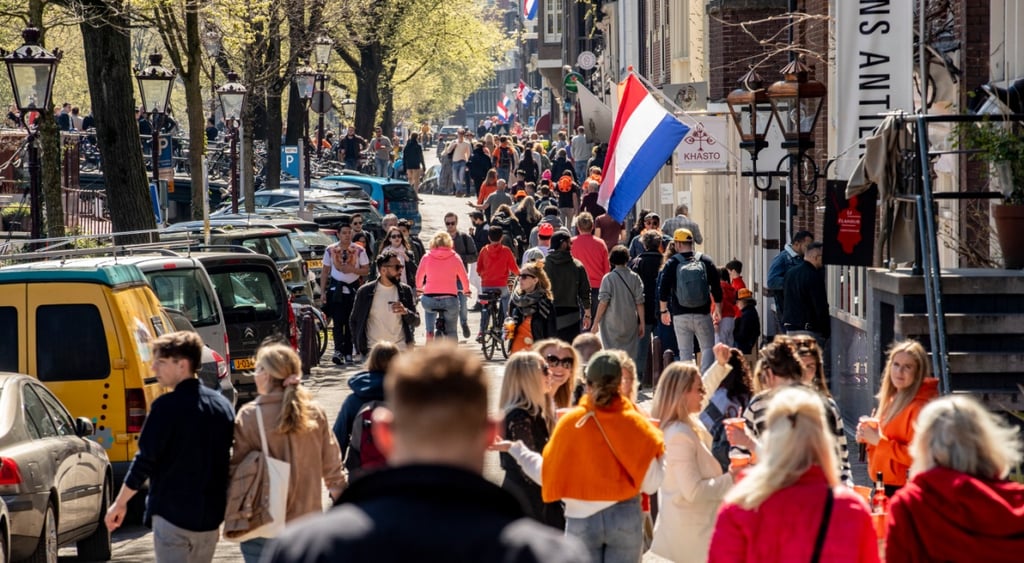
Sex work is legal in the Netherlands.

Image by Getty/Lisa Maree Williams

 Follow us
- Rights groups say Meta’s WhatsApp bans put Dutch sex workers at greater financial and physical risk.
- Account blocks cut off known clients, forcing sex workers to accept riskier jobs or lose income.
- Some support organizations were also banned, limiting access to essential help for sex workers in the Netherlands.
- Critics argue Meta applies broad US-style rules despite Dutch law allowing sex work, harming marginalized workers.
Key Takeaways by nexos.ai, reviewed by Cybernews staff.
Meta puts Dutch sex workers at physical and financial risk by banning their accounts, according to rights groups.
Sex work is legal in the Netherlands, but American tech companies don’t seem to care, as messaging services like Meta’s WhatsApp continue to block sex workers from using their apps.
Many Dutch sex workers use WhatsApp to maintain contact with known clients. By banning their accounts, the people affected could be forced to work in unsafe conditions with increased risk of violence.
WhatsApp’s end-to-end encryption may make it more appealing for clients and workers to use.






By banning these accounts, sex workers face real financial struggles, which leads these people to be “less selective” when choosing clients, said spokesperson Frankie Hermsen for the dedicated resource for sex workers in the Netherlands.
Not only did Meta ban the accounts, but it also banned accounts from non-governmental organizations like SHOP that function as essential resources for sex workers.
Meta is essentially leaving banned sex workers with no choice but to make money in a way that “increases the risk of violence.”
Real people affected by WhatsApp bans
One woman, using the pseudonym Felicia, told KRO-NCRV’s Pointer that her personal account used to communicate with clients had been blocked roughly three times.
She noticed a pattern: her account is restricted only in the evenings, when she is communicating with customers.
Mark Zuckerberg’s company provides little to no explanation about the account suspensions, but says she can appeal the decision online by filling out a form.
Felicia recovered her account, but not fully, as she is unable to make new appointments due to account restrictions, according to the investigation, which has been machine translated.
Another sex worker had a similar issue.
While undressing on a call with a regular client, her screen went black. Meta had blocked her personal WhatsApp account while she was naked on a prepaid call to her client.
If this disruption wasn’t frustrating enough, her other Meta-owned Instagram and Facebook accounts were also deleted a few days later.
This meant she had lost all client data and previous conversations, despite doing everything legally and following Meta’s terms and conditions.
WhatsApp’s terms of service explicitly state that users can’t sell sexual services on its business accounts.
But each sex worker Pointer journalists spoke to had said they’d used their personal accounts to connect with clients.
When asked, a WhatsApp spokesperson told Cybernews that the accounts shouldn't have been banned.
"Based on the limited information we’ve been provided, there is no reason for us to think these accounts should have been banned under our policies."
"We would welcome the opportunity to review any action that may have been taken to make sure we haven’t made a mistake," a WhatsApp spokesperson told Cybernews.

Was WhatsApp reading their messages?
This mysterious banning spree caused sex workers to become suspicious of Meta, leading them to believe that the tech company was reading their private messages.
However, this is unlikely, as end-to-end encryption means that no one, not even the service provider, other than the sender and recipient, can read the messages.
The Cybernews community is talking about this. Be a part of the conversation.
All personal calls and messages on WhatsApp are end-to-end encrypted, meaning only the sender and recipient can see or hear what is sent,” a WhatsApp spokesperson told Cybernews.
But not impossible, as various lawsuits have been filed against the company for allegedly lying about the scope of its encryption services.
Billionaire CEOs of apps X and Telegram have openly criticized WhatsApp for its encryption capabilities.

Meta can see certain things, such as phone numbers associated with certain WhatsApp groups, whether a user has started a video call, and external spam or scam reports sent by users.
So, it’s not likely that Meta rifled through the sex worker’s messages. Instead, multiple reports from disgruntled customers could have led the company to flag these women as spam or scam accounts.
While this could’ve been an honest mistake, Dutch politician Sandra Beckerman suggests this is because American companies don’t understand the markets they operate in.
"Sex work is legal here and should therefore be able to be offered legally online…tech companies like Meta are going along with this to gain a better political and economic position,” Beckerman told Pointer.
But this blanket, conservative approach to safety doesn’t serve many European countries, and can have “major consequences” for those already marginalized in both the US and now the Netherlands.