My cat and I put a robot litter box to the test: the results were mixed
Spoiler alert: my cat prefers it when I clean his mess, not the robot.
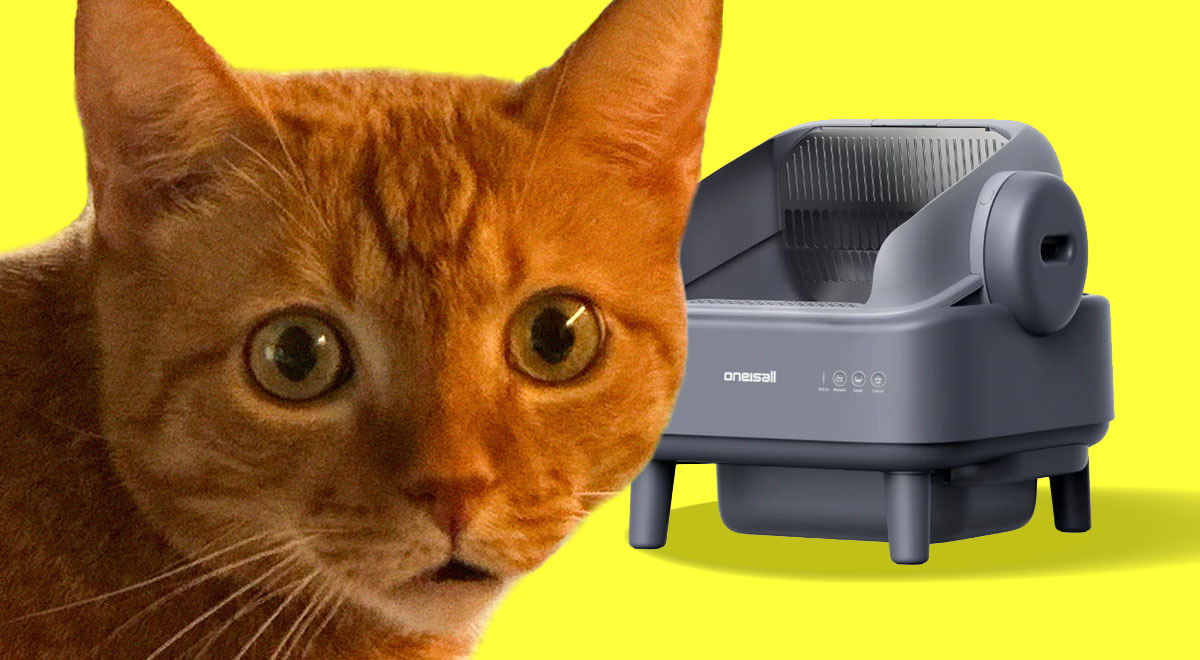
Lokis suspicious about his new litter box

 Follow us
- The Oneisall Ease S1 kept the bathroom cleaner, but the cat remained wary.
- The litter box self-cleans, controls odors, but its movement and sound may stress cats.
- OneIsAll said owners should first use the box unplugged and add familiar litter to ease cats into the change.
- At $229, the device could reduce daily cleaning, but pet comfort remains the key factor before buying.
Key Takeaways by nexos.ai, reviewed by Cybernews staff.
He crouches low, belly to the floor. His pupils are wide, his ears flattened back. He's either readying himself to attack or, most likely, to flee. My gentle attempt to pet him only makes matters worse – his tail grows three times its size and gets all puffed.
My cat doesn't like his new robot litter box. Although he resists the change, my bathroom has never felt fresher, and I'm inclined to let this new technology into the household.
You become responsible, forever, for what you have tamed. However trite we made this Antoine de Saint-Exupéry quote sound, it’s 100% true, and I sometimes have to remind myself of it when dealing with my 11-year-old orange cat, Lokis.
Recently, I agreed on Lokis’s behalf to test a new Oneisall Ease S1 self-cleaning litter box. Their selling point is that I wouldn’t need to clean it for two weeks. Compared to the usual routine – scooping it every day and fully rinsing the box twice a week – this promise sounded on the verge of being a scam to me.






I’ve been looking for a toilet solution, probably ever since I got Lokis. While he’s well-trained to go to the litter box, he’s also very communicative with it. The problem is that he expresses his negative feelings with his ass.
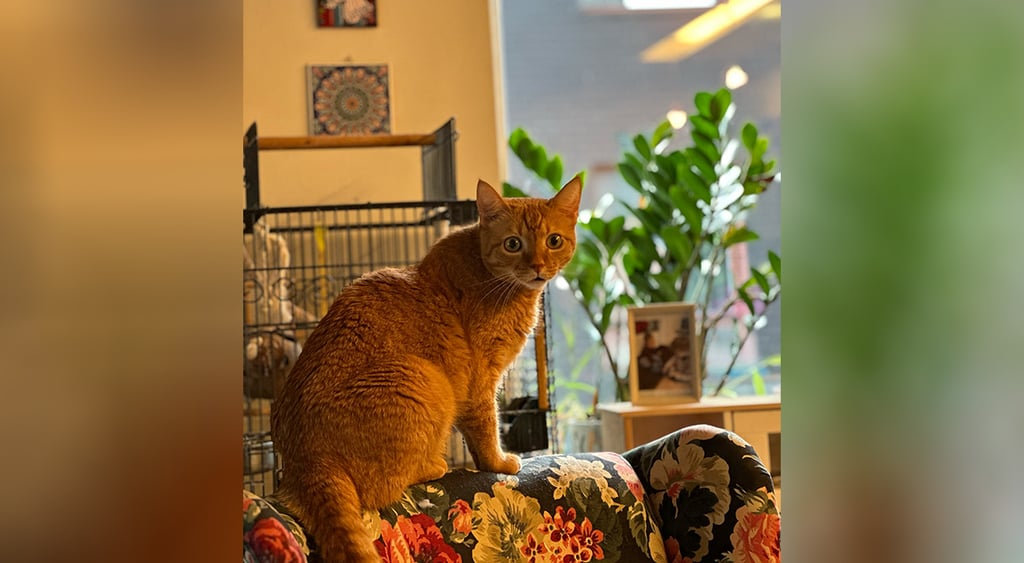
You were away for too long – here’s a little “gift” left for you, right next to the litter box. You left him with a friend for a week while on vacation? He’ll make sure to poop next to the litter box the second you come back from wherever you’ve been.
Excessive cleaning sometimes alleviates the issue, making me think it might just be the smell of the fresh litter that annoys Lokis, and he has to make his number two just an inch from his box.
Anyway, if you are an animal-loving person like me, you get the frustration: How to keep the cat happy without having to clean the litter box every day?
Because of this constant struggle, I decided to test the self-cleaning litter box. This is probably the most curious device I have ever tested, as it requires more patience and experimentation with a living being than with the device’s settings.
First of all, here's how the litter box works. It’s a square device with four legs that needs to be plugged in. Keep in mind that for certain cats, the box might be too high, and you might need a stool so the cat can reach it.
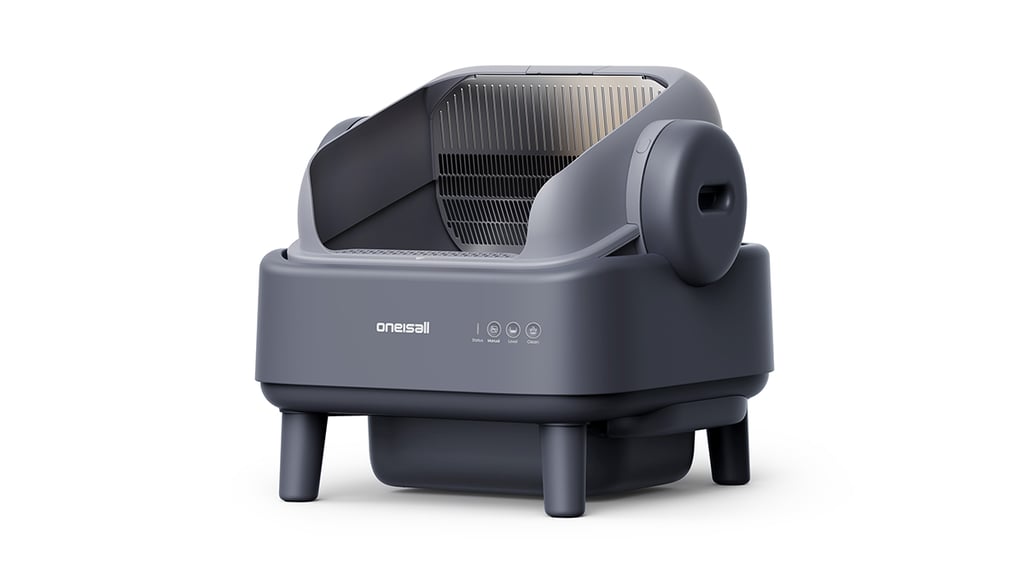
The box has high walls, protecting your bathroom from litter scatter. On the bottom, there's a drawer with a special trash bag. Once the cat has answered nature's call, the upper part of the litter box rotates, sifting all wet litter and feces into the trash bag. It then turns back and levels the rest of the litter.
It works perfectly – it senses a cat is near and doesn’t self-clean, so as not to harm the animal. The drawer is somewhat airtight, preventing unwanted odors in the bathroom. It doesn’t come with an app, which I love, because the device isn’t unnecessarily smart and basically helps you forget about the poop rather than analyzing your cat’s habits (something I would probably expect from similar products on the market, since everything else is overly “smart”).
What’s the problem then? Well, I can’t really reason with my cat, nor can he read the pros and cons of using this particular litter box. He’s been using the box for over three weeks – 3 blessed weeks that my bathroom smelled all clean and nice without me cleaning it – and it’s been mostly successful. But I’m still not convinced that we should keep it because:
- I saw Lokis taking a dump in a flower pot on the terrace. I suspect that’s what he does during the summer anyways from time to time, resulting in a cleaner litter box at home. However, it coincided with the start of the testing of the self-cleaning litter box, and I’m worried he is doing it because he’s stressed.
- He left me the “poop” message twice during the testing period. Other times, he successfully discharged into the box. Given the box is now fresh and clean every day, I suspect that I just have to finally make my peace with the communiqué straight out of his ass.
- I’m worried that the cleaning procedure is stressing him out. Whenever he sees or hears the box cleaning itself, he enters the fight-or-flight mode I described earlier. He still seems to be using the box, though, and he is totally fine watching me clean it.

I’ve shared my experience and concerns with the litter box creators, OneIsAll Inc., and I soon understood where I made a mistake. Apparently, I should have used it unplugged for a bit, allowing my cat more time to get accustomed to the new order of things.
The company, recognized in the Pet and Animal category at the Consumer Electronics Show (CES 2026) in Las Vegas, advises temporarily disabling the auto-cleaning function to let the cat get used to the box first by placing some familiar items inside.
Here’s what else they shared that’s supposed to help the animal get used to the litter box:
- The product is generally recommended for cats 6 months and older, but may not be suitable for very small kittens due to its size and entry height.
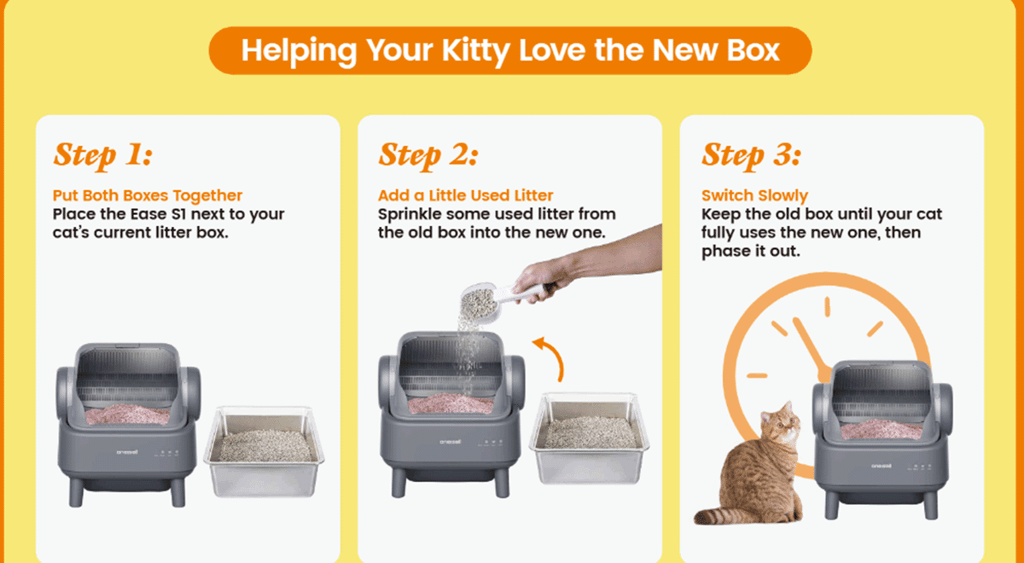
- In the first stage, you can remove the automatic cleaning base (or temporarily disable the auto-cleaning function).
- Place some used litter with the cat’s own scent inside the box to help it feel familiar. This helps reduce fear response and allows the cat to gradually associate the product with familiar scents and safety.
- Once the cat becomes more comfortable and less cautious, you can then gradually re-enable the automatic cleaning mode.
To be honest, this is the first self-cleaning box I have ever tried. I’m already convinced that it is a game-changer for pet owners. It’s only a bit more expensive than regular plastic litter boxes – it costs $229, and I still paid around $100 for the last “dumb” litter box that wouldn’t clean itself. The odor in the bathroom is gone, and I only have to change the litter bags once in a while and do a full rinse once in two weeks.
However, it’s not really up to me whether we get to keep it. At the time of publishing this article, my cat remains suspicious of the new device, and his well-being is my primary concern when making a final decision.
