Ignore, monitor, or block: What should parents do amid the social media ban frenzy?
While governments debate the pros and cons of implementing a social media ban, should social media be added to the list of topics parents need to have “the talk” with their kids about?
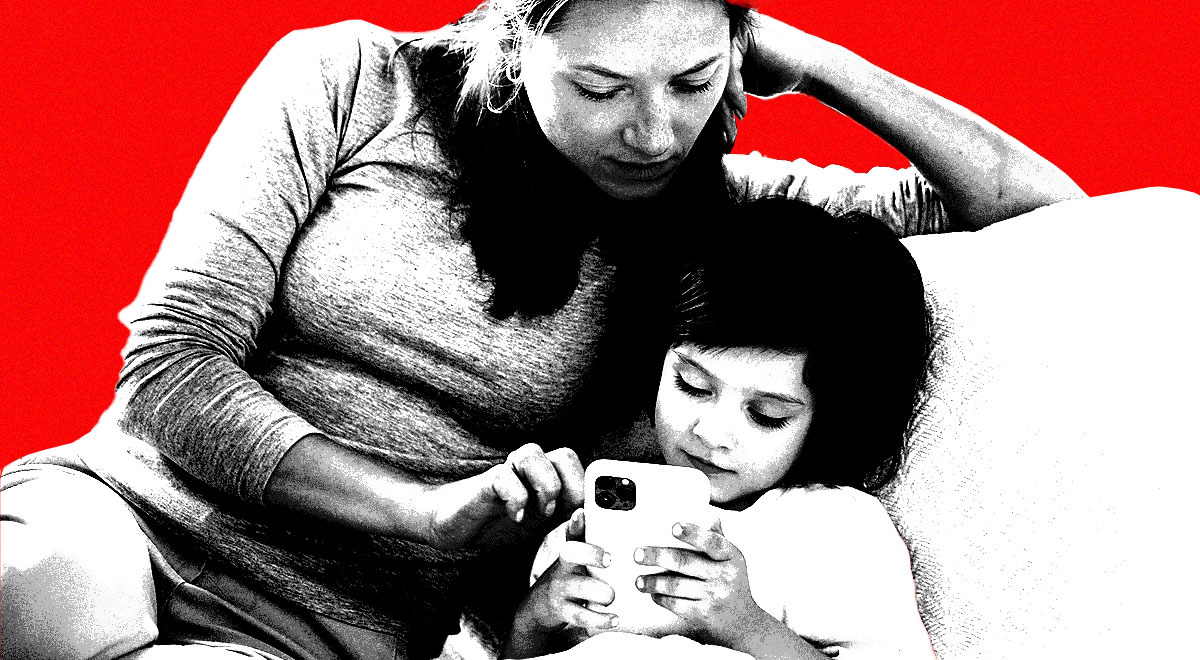
Image by Cybernews

 Follow us
While governments debate the pros and cons of implementing a social media ban, should social media be added to the list of topics parents need to have “the talk” with their kids about?
I first started using Instagram in 2012, when I was almost 16. At that time, we didn’t find it as important or life-changing as it is viewed today, with many focusing on picking the best filter rather than on ways to get fame or money from it.
In the beginning, I was driven by curiosity about social media apps: what they were, how they worked, and why others in my circle were using them.
I never had a talk with my parents about the dangers of social media because, in my mind, there were none at that time. Or we just didn’t know about them yet.
Now that I'm no longer 16, I sometimes think about how tricky it must be for parents whose kids are growing up in an environment where they’re basically exposed to social media from the day they’re born.




As a parent, do you protect them from screens, likes, shares, and trends for as long as possible, or do you give in for the sake of them not feeling like they’re isolated from the rest?

Social media bans: is it too soon?
The discussion about implementing a social media ban for underage users began last year, with Australia taking the lead in enacting it. It’s been more than three months since the ban was implemented.
To measure the immediate impact, the BBC released a short video asking Australian teenagers how the ban had affected them.
Some shared the positive impact of being kicked off such platforms, stating that this was something they bonded over with other teenagers.
But what was surprising to hear was that not all those under 16 were banned, suggesting that these restrictions and verifications hang over their heads.
And even if some kids get their accounts banned, they find ways to bypass the verification process or simply move to other social media platforms.
A number of countries are also considering this approach. Nevertheless, the current situation has also sparked debate over whether parents should be more involved in how their kids navigate their digital lives on social media platforms.






Sex, drugs, and… Instagram? Should parents have the “talk” about social media use?
While we didn’t talk about social media when I was growing up, we sure were highly discouraged from smoking, drinking, and all that jazz.
It seems the list needs to be expanded to include parents educating their kids about the dangers of social media.
But not every parent believes that everything is in their power.
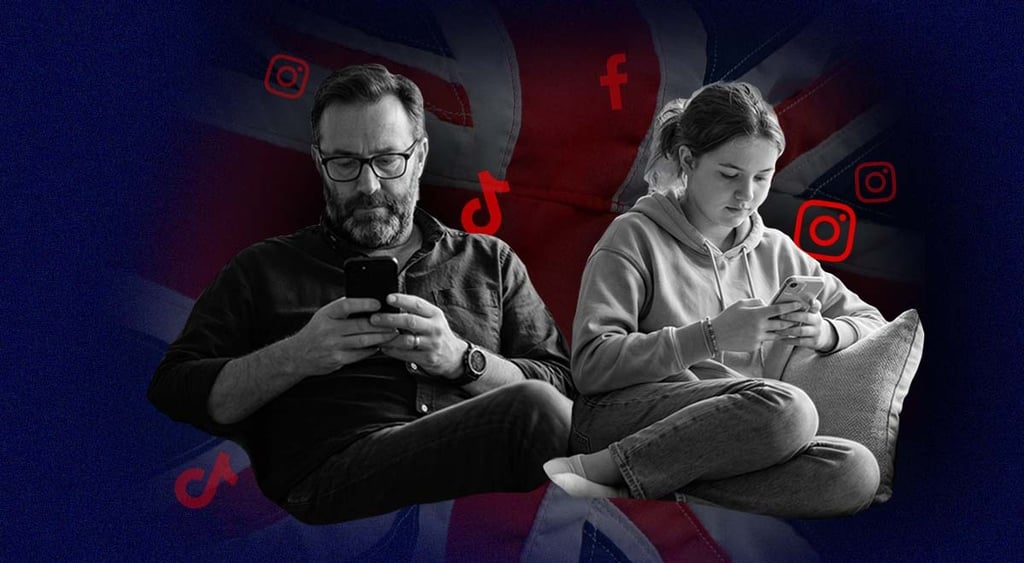
A popular parent blog, Mumsnet, has launched a campaign in the UK, urging the government to implement a social media ban for kids under 16.
The campaign focuses on the fact that social media can be as dangerous and addictive as smoking, leading to anxiety, eating disorders, and suicidal tendencies.
Instead of implementing the ban, the UK will test whether such an approach works in practice. The study will run for six weeks and involve 300 teenagers and their parents.
Before and after the trial, the participants will be interviewed to see what conclusion can be drawn from this experiment.
Tackling what kids see online isn’t news to parents, as some already use tools to monitor it.
One such tool is “Safety Mode,” an Android app that lets parents monitor and block content they believe is harmful or intrusive to their kids.
Whether that's nudity, inappropriate language, vaping, or any other trigger that parents don’t want their kids to encounter, they can block such content, explained Bertie Aspinall, one of the founders of the Safety Mode platform, to Cybernews.
The company has collaborated with Mumsnet and the electronics company Nothing to create the safety-focused smartphone for kids, called “the Other Phone.”
If such tools already exist, why is there a need for a social media ban?
The expert noted that the problems, such as addiction and exposure to harmful content, don't come from smartphones, but from social media content.
And there are ways to protect kids before such a ban comes into force.
“Every child is different, and every parent is different in the way in which they want their kid to have access to things and the way they want to parent,” notes Aspinall.
The expert shares that parents can help their kids not only by implementing restrictions on their smartphones, but by first implementing behavioral changes: setting boundaries on when and for how long the kid can use their phones, as well as what they’re using them for.
Another important thing parents can do is “open a dialogue” with their kids, especially when they’re fairly young, explaining the harms and teaching them that if they feel they've seen harmful content, they can come to you and talk about it.
Aspinall compared this with any other “serious” conversation that parents have with their kids regarding other matters like alcohol, drugs, or cigarettes.
Is banning social media altogether the best solution then?
“I do admit that in some ways banning something which people can get around is not necessarily always the way to fix it,” shared the expert.
“It’s more about the idea that you think they’re viewed as bad and to be harmful, and those discussions happen a lot. The ban from that perspective will make a big difference.”
The Safety Mode co-founder also noted that, initially, social media was supposed to be restricted for users under 13. However, that didn’t work well either.

Check if your data was exposed
Find out if your email and related personal information have appeared in known data breaches.
What’s life without social media when you’re a teenager?
I guess I wouldn’t be wrong to say that most teenagers today view social media platforms differently than when I first got my Instagram account. Especially those who already have a following or find comfort in communicating with like-minded people online.
How does the world change for them after the ban?
“In some ways, kids will always find a way to be social. I think they will move towards other platforms. What I hope is that they move to safer platforms where there aren't the additional addictive traits,” shared the expert.
Being a fan of the sci-fi TV show Black Mirror, I couldn’t stop thinking about one episode in which a mother decides to implant a surveillance chip in her daughter to know where she is and what she sees at all times, for her protection. However, this escalated, with the mom choosing to keep the daughter from anything remotely violent.
Her need to protect her daughter eventually backfired, so won’t this ban have a similar effect on kids?
“Not all parents have the same views about what is harmful and what isn't harmful,” noted Aspinall, drawing experience from Safety Mode, having seen how parents are using the platform.
For example, one parent didn’t want their kid to be exposed to vaping, so they excluded all words associated with vaping from their kid's mobile search.
“When they get to a certain age, you can just turn [restrictions] off,” noted the expert, explaining that parents can change such restrictions as their kids' age.
“It's that kind of blended approach. It's not necessarily an immediate cliff face. It's when they're really young, you can have kind of full, quite extreme blocking. When they get older, maybe you don't block anything at all,” concluded Aspinall.
Unlock more exclusive Cybernews content on YouTube.