Tesla safeguards fail as vehicle hurtles at 100km/h with kids in the back
Even in FSD mode, you should never fall asleep at the wheel.
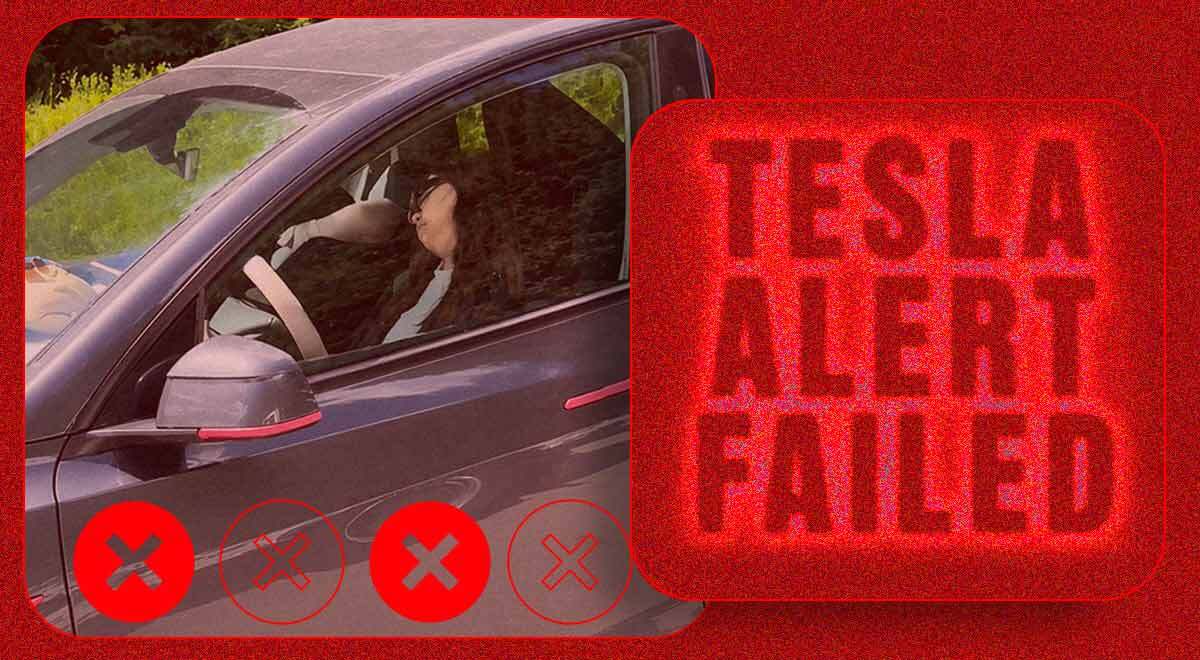
Image by Cybernews

 Follow us
- A viral video shows a Tesla driver asleep while the car drove on a British Columbia highway.
- The Tesla was using FSD (Supervised), which still requires the driver to watch the road.
- Some users urged Tesla to revoke the owner’s FSD access, citing danger to children and other road users.
- The incident raises questions about whether Tesla’s driver-monitoring systems can detect sleeping or inattentive drivers.
Key Takeaways by nexos.ai, reviewed by Cybernews staff.
People are calling for Tesla to ban a driver who fell asleep at the wheel. But no one’s talking about the carmaker’s attention monitoring systems.
In a viral video uploaded to X, a person can be seen slumped to the side as a Tesla drives itself at about 100km/h along a highway.
What to some might look like a medical emergency turns out to be a tired driver taking a nap.
Not only was the driver sleeping behind the wheel of the Tesla, which is already irresponsible, but they had two sleeping children in the car with them.



The Tesla, which was traveling along British Columbia’s Trans-Canada Highway, was in FSD (Supervised) at the time the video was recorded.
The user who shared the video urged Tesla to “run this plate and permanently ban this car and the owner of their FSD subscription and/or purchase.”
Users believe the Tesla owner’s FSD subscription should be revoked so they can no longer act irresponsibly on the road.
Yet very few people are pointing the finger at Elon Musk’s company, which should’ve picked up on this behavior sooner.
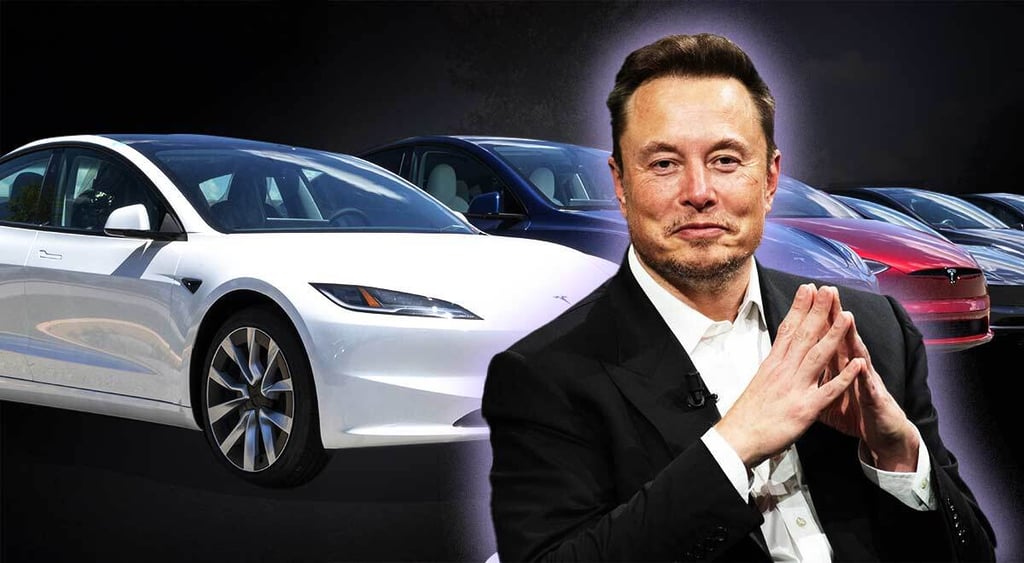
Tesla didn’t catch this sleeping beauty, and here’s why
Tesla’s FSD mode doesn’t make these vehicles fully autonomous, as users must still supervise them.
While Tesla claims that FSD requires “minimal intervention,” the company does state that FSD should only drive “with your active supervision.”
Tesla began implementing human attention monitoring while in FSD mode.
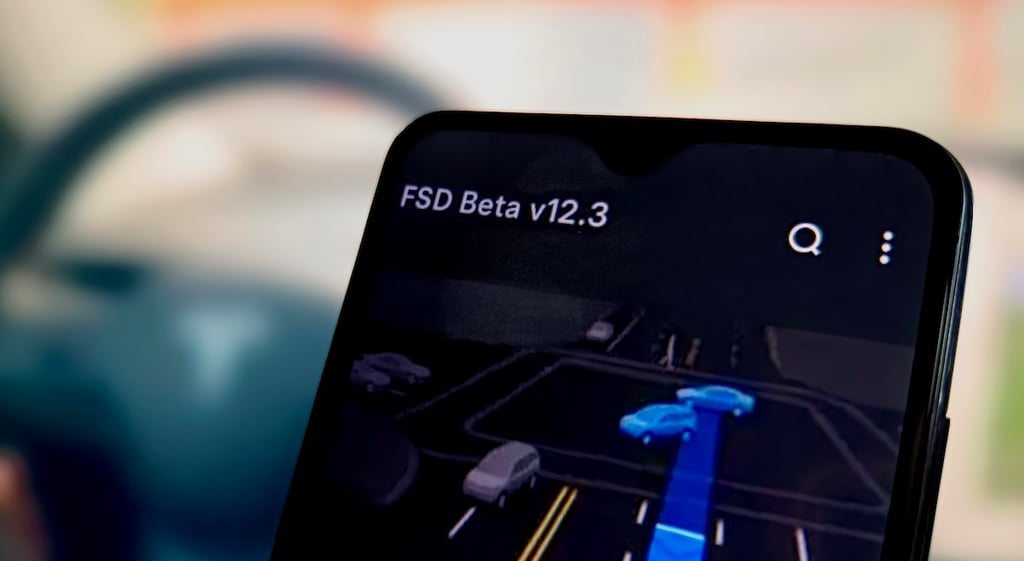
This system uses the cabin camera above the rearview mirror to detect whether the driver is looking at the road.
When distracted, the system should warn the driver and, after a period of distraction, force the driver to manually drive the Tesla by turning off FSD.
Similarly, Tesla has a hands-on monitoring system that checks if the driver is using the steering wheel by observing changes in torque.
Tesla updated its monitoring system in 2024 after users wearing sunglasses while using FSD received distraction alerts, according to Tesla Oracle.
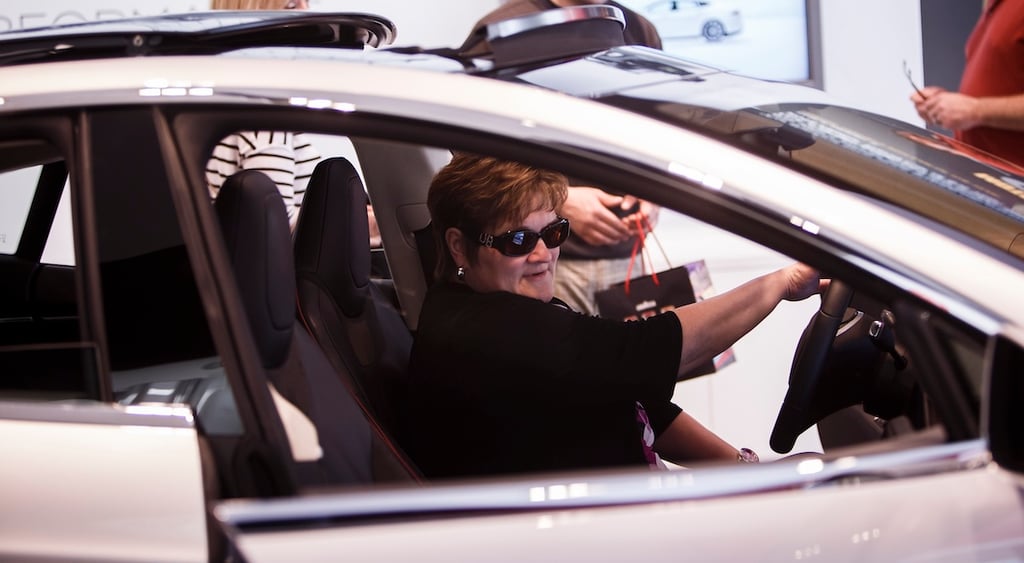
So, Tesla fixed this issue, allowing users to wear sunglasses during drives.
It’s possible Tesla’s systems failed because the vehicle’s AI couldn't obtain data from the driver, whose eyes were covered.
Others have hypothesized that the person may have been using a device that exerts force on the steering wheel to bypass the hands-on monitoring system.



Stay updated with our latest stories and follow us on social media
Be the first to discover new stories, ideas, and updates from our team.