Why WhatsApp Plus at €2.49 is the perfect symbol of subscription fatigue
Looking back, before the iPhone moment in 2007, you could be forgiven for thinking life was much simpler.
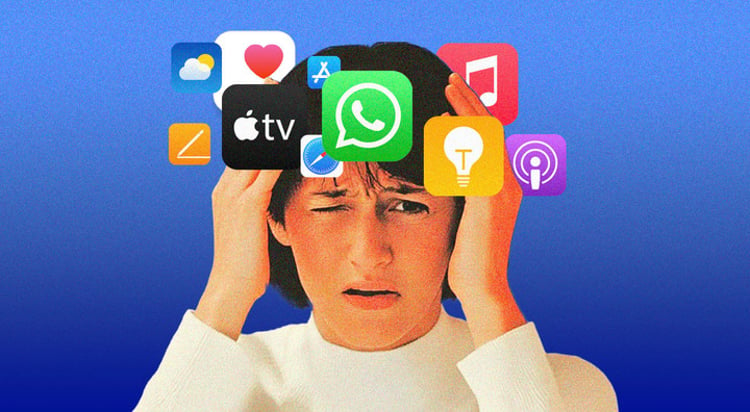
White asian woman, white turtle neck, short black hair, social media apps, whatsapp, apple music

 Follow us
Looking back, before the iPhone moment in 2007, you could be forgiven for thinking life was much simpler.
During the analog years, your day began with your alarm clock waking you to the sounds of your favorite radio station. A shower, a cup of coffee, and a commute to work would be as complicated as it gets in your daily routine.
Fast-forward to the present day, and these same moments come with a subscription, and even an HP printer will stop working until you pay the subscription fee.
Meta and Instagram are already offering bizarre subscriptions for those addicted to social media seeking ad-free experiences. But WhatsApp's recent decision to offer users a premium €2.49-a-month subscription for a purple app icon and a handful of animated stickers feels like a step too far. How has modern life become a one-long-subscription-funnel?
How everyday life became a recurring revenue stream
Early adopters and members of the quantified self movement proved there was a market for life-tracking subscriptions long before it became cool. A new proactive approach to health and well-being would see many documenting their life data. Everything from the sleep quality captured by their smart mattress to calorie intake and exercise was uploaded to a premium wellness dashboard.
In the bathroom, a smart mirror provided health insights tied to a subscription platform. Electric toothbrushes began tracking brushing habits through an app, and replacement heads arrived monthly through an automated delivery plan. Even something as mundane as a morning shave could be managed by a flexible monthly subscription.
For everyone else, maybe their phone alarm comes from a streaming music subscription. Thankfully, the heating system adjusted itself overnight through a paid smart home automation plan, and your doorbell camera recorded motion alerts outside your house, but only because you pay monthly cloud storage fees to access the footage.






If you need a "coffee buzz" to kickstart your day, don't forget that branded pods are locked into a proprietary ecosystem like a Lexmark printer from 2005. It's also becoming more difficult to pick up a household appliance without an internet connection. Without you knowing you needed it, your refrigerator recommends recipes from premium meal-planning services.
The TV in the kitchen displays advertisements despite costing thousands upfront because the hardware itself is now part of an ongoing content ecosystem. Before questioning whether your smart home has betrayed you, a notification warns that your cloud photo storage is nearly full unless you upgrade to a higher tier.
A quick scan of your email reveals more notifications from streaming services, productivity platforms, AI assistants, and software renewals.
Even the freedom of owning a car can leave users feeling railroaded into heated-seating activation packages and navigation features. Optional extras like Remote Start, dashcam storage, and advanced driver features increasingly depend on subscriptions.

Even the experience of the commute itself is driven by music streaming, podcast subscriptions, cloud navigation, parking apps, toll passes, and mobile data plans, all of which quietly meter the journey.
If any of this feels familiar, you’re not alone. Sadly, at work, the subscription economy is becoming even more visible. Businesses rent almost everything, from mail platforms, productivity suites, and cybersecurity tools to cloud storage, CRM systems, AI copilots, video conferencing, analytics dashboards, design software, and collaboration tools.
Software ownership largely disappeared years ago. Companies now operate with permanent monthly operational costs rather than occasional upgrades. Just like the Black Mirror episode, is this leading us toward a subscription to life itself?
AI is accelerating the shift further
Subscriptions continue to increase, driven by the latest offerings in AI writing assistants, meeting summaries, image generators, and coding tools. By the evening, the average person may have interacted with dozens of paid digital ecosystems before even opening WhatsApp and discovering the latest premium cosmetic upgrade waiting behind yet another paywall.
Even lunch has become part of the subscription economy, with food delivery apps offering premium memberships that promise free delivery in exchange for a monthly payment. The more health-conscious can turn to grocery services that encourage recurring meal plans and automatic replenishment boxes, where subscribers can buy dinner by subscribing to access their meals.
Even relaxing comes with a monthly fee
Twenty years ago, families bought DVDs, owned CD collections, and watched whatever was on television. But now the average living room resembles a digital toll booth. One subscription unlocks movies while another removes advertisements.
More subscriptions are required to enjoy sports, music, audiobooks, and even store your family photos. Whether gaming or reading is your thing, don't worry, there is another subscription for premium news articles and unlimited access to video games that you no longer own.
Despite spending hundreds each month, many find themselves paying to watch ads when streaming movies and TV boxsets that once sat permanently on their home shelves, ad-free.
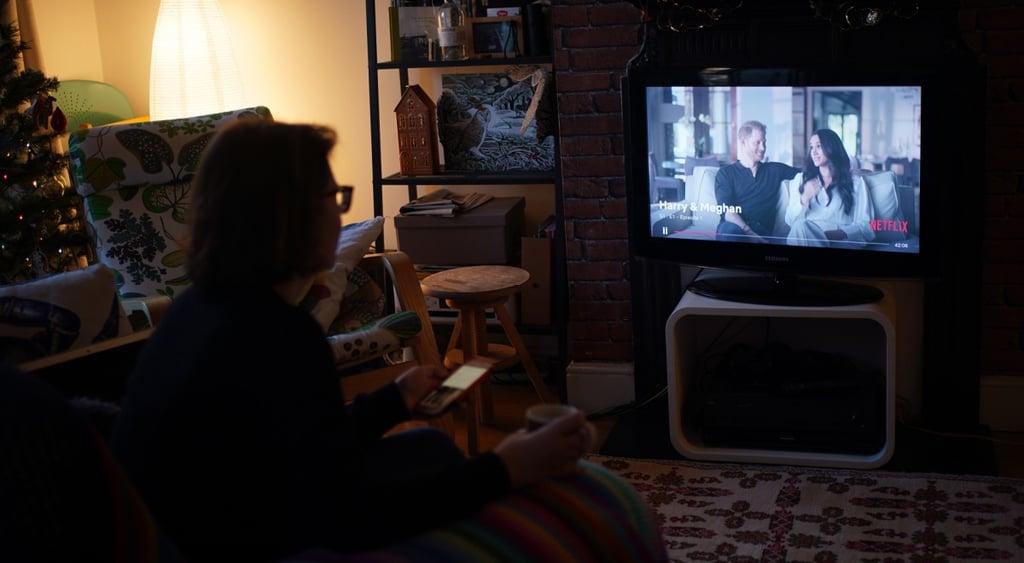
Before going to bed, a smartwatch can upload health metrics while cloud backups begin syncing family memories to subscription storage plans. Finally, AI assistants summarize tomorrow's calendar, and streaming services try to tempt you into one more autoplayed episode.
Tech bros will justify the recurring revenue that keeps their investors happy by proudly stating that audiences no longer buy products or services – instead, they buy experiences. Behind the sales pitch lies the argument that we are merely renting access to daily life itself. But the most unsettling part of all this is how normal it now feels.
How we became comfortable renting everyday life
The shift didn't happen overnight and gradually gained pace, adding one convenience at a time. Welcome to the curse of convenience. It began with a cheaper upfront device here and a premium upgrade there, with free trials quietly rolling into auto-renewals. The trick was to fool consumers into thinking the tradeoff was worth it.
Consumers have arguably been nudged into the path of least resistance. Streaming was easier than DVDs, and Cloud backups felt safer than hard drives. Smart homes offered convenience, and AI tools promised to save time. But the balance has shifted, and many now pay to unlock products already in their homes, cars, and pockets.

Check if your data was exposed
Find out if your email and related personal information have appeared in known data breaches.
Maybe this is why being asked to pay WhatsApp €2.49 a month to access a purple icon and animated stickers has hit a nerve. It's yet another reminder that almost every part of our lives is slowly being turned into a service layer with recurring billing.
We can look back to simpler times through the rose-tinted glasses of nostalgia to when families owned alarm clocks, music, games, movies, software, and doorbells. Being asked to subscribe to streaming libraries, productivity platforms, navigation services, cloud storage, smart heating, home security, AI assistants, messaging apps, and even the next iPhone is beginning to feel slightly dystopian.
Maybe the infamous WEF prediction of 'you will own nothing and be happy' should be updated to subscribing to everything and barely noticing. That's why you can find me channeling Arcade Fire's Win Butler and repeatedly singing the line "I unsubscribe" as I regain control of my life by removing one subscription at a time.
Unlock more exclusive Cybernews content on YouTube.