AI cameras used to spot bears and notify local officials in Japan
Japan is deploying AI-powered camera systems across its communities as bear sightings and attacks become increasingly more common.


 Follow us
Japan is deploying AI-powered camera systems across its communities as bear sightings and attacks become increasingly more common.
The new system, officially named the "AI-Based Automatic Detection and Notification System for Harmful Animals," and referred to as "B Alert," uses cameras installed near populated residential areas to monitor animal movement and proactively identify bears, according to Kyodo News.
The system detects animals by body heat and automatically captures images, which are then transmitted by the cameras. After that, cloud-based AI filters out non-relevant images and focuses only on identifying bears.
Once a bear is detected, local officials are notified by email and can issue warnings to local residents up to 30 minutes faster than before or take appropriate action. The system allows authorities to respond without first dispatching staff to confirm sightings in person, as is typically done in such cases.
The "B Alert" system is reportedly being introduced nationwide, including in Gunma, Toyama, and Ishikawa prefectures. Several municipalities have also adopted the system, including Toyama, Fukui, and Kobe.


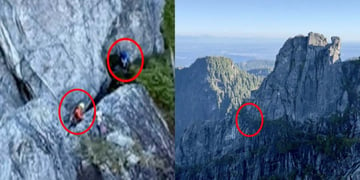



"B Alert" was developed by electricity and energy services provider Hokuriku Electric Power Co. and a communications systems company, Hokutsu Co. In the process, the system was trained using approximately 60,000 photographs, which included bear images, as well as images of other animals. Thanks to that, "B Alert" reportedly managed to achieve a 99.9% accuracy rate.






The development was prompted by an incident that happened in 2019. While working on a power transmission tower, a Hokuriku Electric Power maintenance worker was attacked by a bear.
At the same time, there were multiple bear-related incidents in Toyama Prefecture, underscoring the need for better detection. Bears started to appear in residential areas, and both residents and local officials expressed support for the system.
According to Hirokazu Sugibayashi, deputy chief of Toyama's forest policy division, the system "contributes to efficiency and labor savings at a time when staff shortages are an ongoing challenge."
AI is commonly used to recognize animals and their characteristics – it has also been deployed to identify lion conversations and even convert animal vocalisations into human language.