Can AI solve a 20-year-old cold case? How an exposed ear could crack the Jennifer Kesse mystery
Nearly 20 years after Jennifer Kesse vanished in Orlando, her parents hope that artificial intelligence (AI) can identify a suspect from CCTV footage.
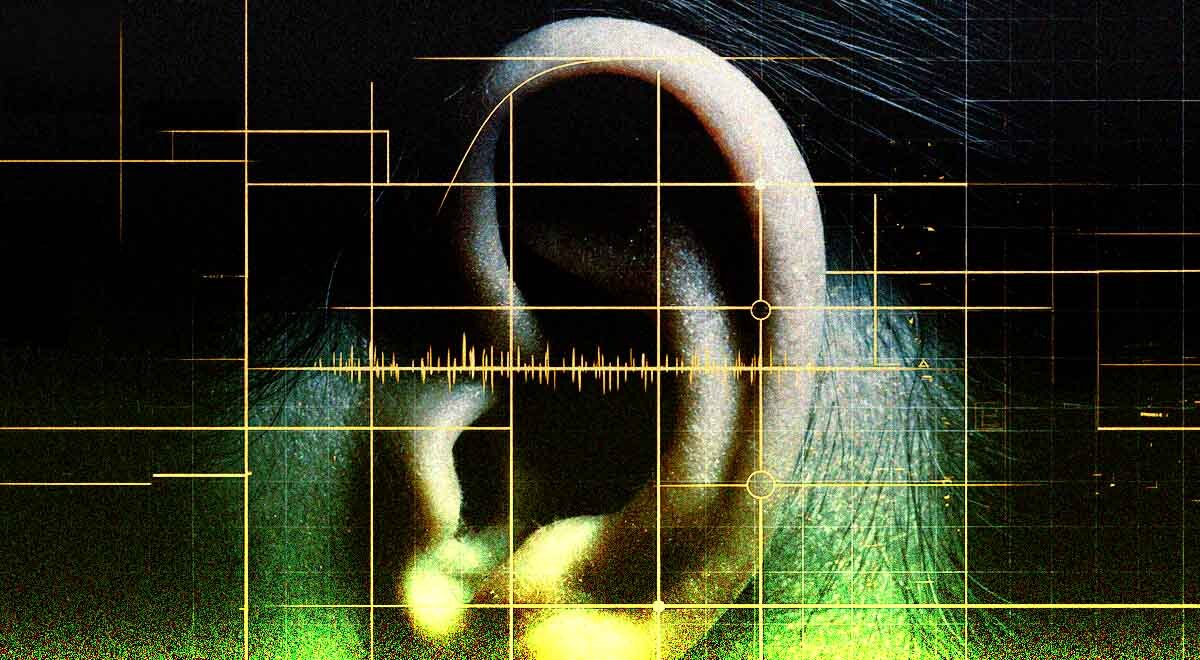
Image by Cybernews

 Follow us
Nearly 20 years after Jennifer Kesse vanished in Orlando, her parents hope that artificial intelligence (AI) can identify a suspect from CCTV footage.
Much too often, there’s a lot of focus on the perpetrator of the crime and not enough on the victim. Here, however, those two aspects converge thanks to the deployment of AI weighing in on one of the most tragic cold cases of a disappearance in decades.
Jennifer Kesse (24 at the time) vanished two decades ago. Her parents last saw her during the Christmas of 2005, and she disappeared shortly into the new year.
In mid-January 2006, one of Jennifer's colleagues contacted the parents, alarmed that she had not shown up for a meeting at work, which went against her conscientious nature.
The most eerie reveal is CCTV footage showing a person parking Jennifer’s black Chevrolet Malibu and calmly walking away, their face obscured by fence posts. Her car, incidentally, was abandoned about a mile from a condo she had recently bought.



At the time, even NASA tried to help and analyze the camera footage, but it was too grainy to make any semblance of. While the case initially garnered national attention, it soon tapered off due to a lack of evidence.
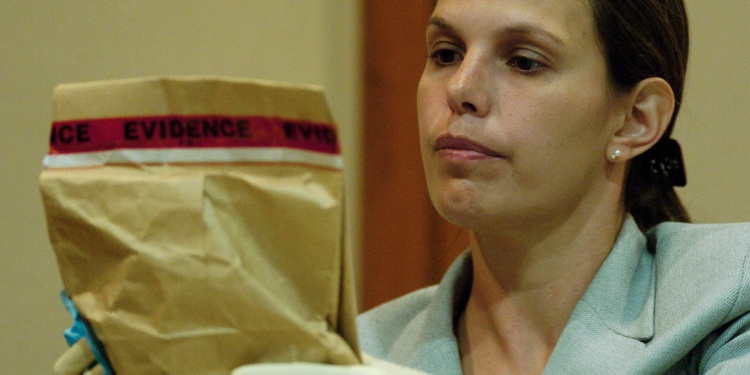
After years of stagnation, the Kesse parents even sued the Orlando Police Department in 2019, resulting in them gaining access to batches of previously unseen evidence.
The case changed hands in 2022, and the Florida Department of Law Enforcement found undiscovered DNA evidence in Jennifer’s car, helping them narrow their shortlist.
And now, the case is materializing again as the Kesse parents are working with the FDLE (Florida Department of Law Enforcement) and an AI company to apply digital-level forensics to try to pinpoint the side view of the suspect's head, in particular their ear.
Father Drew Kesse told Sky News, “We can clarify the ear in a picture through AI. An ear is just as good as eyes or fingerprints or DNA, so we have great hopes.”
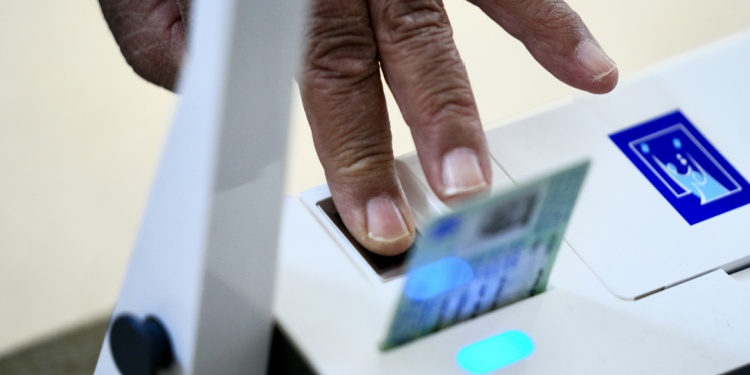
The hope is now that instead of inventing details, the tech is able to enhance the existing evidence.
“They’re working their magic, and we hope that magic comes, and if we can enhance that picture, this is going to go so fast because we will find that person.”
The parents have differing views on Jennifer's fate, with mother Joyce more optimistic, with a glimmer of hope that she might be alive.






But even if it’s simply an uncovering of what happened, the Kesse parents may soon finally get some closure on the ordeal and be able to process it properly.
“It would end almost 20 years of ambiguous loss,” added Mrs Kesse.
Unlock more exclusive Cybernews content on YouTube.