AI riches turn South Korea's chip engineers into marriage market royalty
South Korea’s AI windfall is no longer confined to server farms and earnings calls. Record-breaking bonuses at SK Hynix – one of the world's leading chipmakers – and Samsung, have turned chip engineers into some of the most sought-after partners in the country, as soaring salaries and job security redraw the unwritten rules of marriage and status.

A line of brides next to an AI chip engineer. Image by Cybernews.

 Follow us
South Korea’s AI windfall is no longer confined to server farms and earnings calls. Record-breaking bonuses at SK Hynix – one of the world's leading chipmakers – and Samsung, have turned chip engineers into some of the most sought-after partners in the country, as soaring salaries and job security redraw the unwritten rules of marriage and status.
- AI-driven demand for memory chips has generated huge profits for SK Hynix and Samsung, leading to bonuses of more than $400,000 for some semiconductor employees.
- Matchmakers say chip engineers are increasingly being ranked alongside doctors, lawyers, and other traditionally elite professions in South Korea's marriage market.
- The industry's growing prestige is influencing career choices, with students flocking to semiconductor programs and targeting jobs at major chipmakers amid concerns over youth unemployment.
- The financial rewards come with trade-offs: some workers say taking parental leave can significantly reduce performance-based bonuses, creating pressure to prioritize work over family life.
Key Takeaways by nexos.ai, reviewed by Cybernews staff.
At the center of the shift sits the global scramble for AI infrastructure. Demand for high-bandwidth memory (HBM), which is a critical component for training and running large AI models, has sent profits at major chipmakers soaring.
SK Hynix, a key supplier in the AI supply chain, now shares a significant chunk of those profits directly with employees. Analysts expect average bonuses to reach up to 600 million won (about $413,666) per person early next year.
AI wealth reshaping social hierarchies






That kind of money carries weight in a country where economic stability plays a decisive role in long-term relationships. According to local reports, matchmakers and dating platforms have seen a surge in demand for semiconductor professionals, with SK Hynix employees in particular rising to the top of partner wish lists.
Once graded as solid "B+" candidates, they are now being categorized as "unconditional A-grade" picks.

“As the overwhelming bonus system has become known, we're seeing a trend where female members are seeking out SK Hynix employees first," said Son Dong-gyu, CEO of the matchmaking company Bien Aller.
Reuters reports that employees at SK Hynix and Samsung are increasingly being ranked alongside doctors, lawyers and other traditionally elite professions in South Korea's highly competitive marriage market.
"If SK Hynix and Samsung Electronics employees used to be classified as B+ or A-grade candidates, today they are closer to A+," Son told Reuters.
"Traditionally, A+ candidates would include doctors, lawyers, other highly paid professionals or people from exceptionally wealthy families."
Samsung employees are benefiting from the same AI-driven boom.
Last month, the company reached a pay deal with its union that included performance bonuses worth around $416,000 for some chip employees. By comparison, the average South Korean worker earned about $29,758 in 2024, according to government data.
"People still prefer traditional professions such as doctors, lawyers, and dentists," matchmaking consultant Lee Sung-mi told Reuters.
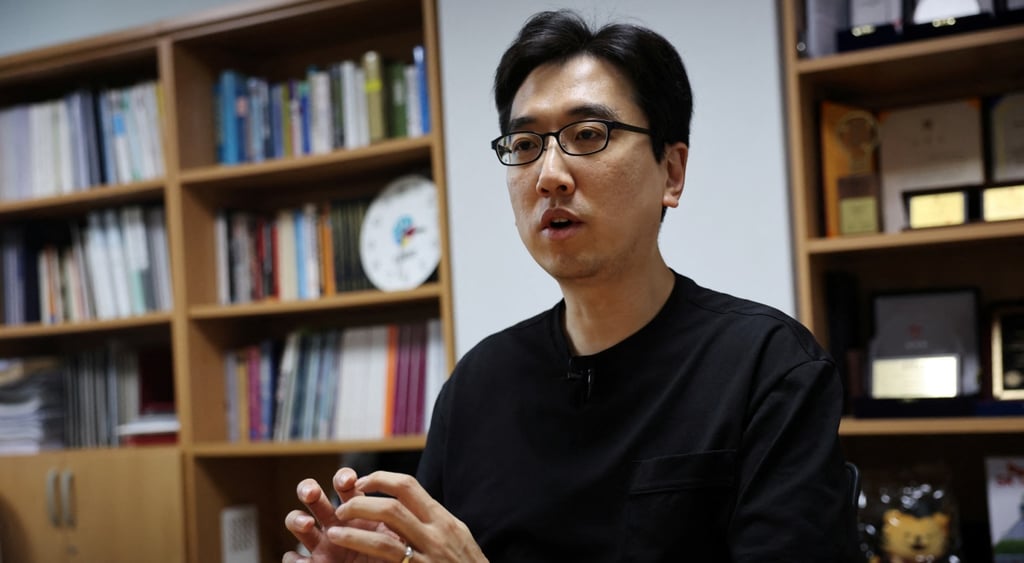
"But recently, when we introduce someone working at SK Hynix, the reaction is often 'Wow, people like that are here too?'"
The AI gold rush reaches classrooms
The semiconductor boom is also reshaping career ambitions.
Career consultants say students are increasingly targeting jobs at Samsung and SK Hynix, while some schools have reportedly launched interview-preparation courses tailored specifically for the chip giants.
Some students are even bypassing traditional university paths. Nineteen-year-old Jung Sung-chan, a student at Pyeongtaek Meister High School who has already received a job offer from Samsung Electronics as a chip facility engineer, told Reuters that many of his friends are envious.






"Honestly, even if you go to university first, it is hard to find a job these days," he said.
The trend is being reinforced by growing concerns over youth unemployment, which reached 6.1% among South Koreans aged 15 to 29 in 2025. Demand for semiconductor engineering programs has surged as students view the industry as one of the safest long-term career bets in the country.
“Bonus burden” takes away from other simple pleasures, like parenthood
But AI-driven wealth is also fueling a different kind of tension down the relationship chain.
While single employees are seeing their stock rise in the marriage market, their married colleagues are facing a sort of "bonus burden." Because performance pay at SK Hynix is calculated based on the number of days worked, taking parental leave has become an incredibly expensive decision.

Check if your data was exposed
Find out if your email and related personal information have appeared in known data breaches.
So stepping away from the office to care for a newborn can mean forgoing income in the tens of thousands of dollars. This has created a culture of reluctance around paternity leave, with male parental leave utilization rates taking a nosedive.
"My wife taking two years of parental leave would mean giving up about 300 million won in income, including bonuses, and we're deeply concerned," shared someone in a post on Blind, a popular South Korean anonymous workplace community platform.
The contrast is difficult to ignore. The same technology that is making people rich enough to marry is also making it harder for them to spend time with the families they build.
Unlock more exclusive Cybernews content on YouTube.