Are you ready for digital eternal life? Meta patents AI that can post after you die
If you ever thought that social media offers a “kind of” eternal life, you may be closer than you think, as Meta was granted a patent in late December for an artificial intelligence (AI) system that will simulate your activity after your passing, including posting and interacting with content.

Shutterstock/Cybernews

 Follow us
If you ever thought that social media offers a “kind of” eternal life, you may be closer than you think, as Meta was granted a patent in late December for an artificial intelligence (AI) system that will simulate your activity after your passing, including posting and interacting with content.
- Meta has secured a patent for an AI system capable of simulating a user's social media activity, including posts, comments, and interactions, after they have died or taken a hiatus.
- The technology would analyze your past data, such as messages and likes, to create a convincing digital persona that acts as if you never left, potentially even simulating audio or video calls.
- Despite owning the patent, a Meta spokesperson stated that the company currently has no plans to actually develop or roll out this specific technology.
- Experts caution that this "grief tech" is an ethical minefield, raising concerns about consent, the psychological impact on grieving families, and the potential misuse of digital clones for commercial gain.
Key Takeaways by nexos.ai, reviewed by Cybernews staff.
"The language model may be used for simulating the user when the user is absent from the social networking system, for example, when the user takes a long break or if the user is deceased," the patent says, according to Business Insider.
Meta highlights that if you abruptly stop posting online, people will start missing you.
"The impact on the users is much more severe and permanent if that user is deceased and can never return to the social networking platform," the filing says.



The patent, which was first filed in 2023, explains how the technology would analyze “user-specific” data, including posts, voice messages, chats, comments, and likes, and use it to mimic user activity on the platform, such as commenting, making posts, or responding to DMs.
The system could recreate a person’s digital persona, making it appear as if they…never left the platform.
Curious what others think about this story? Contribute your thoughts to the debate below.
Taking this one step further, the filing also references technology that could even allow the clone to simulate audio or video calls.
A Meta spokesperson said that a granted patent doesn’t guarantee that the company will pursue or develop the technology, saying: "We have no plans to move forward with this example.”






Potential support or a disaster in the making?
Whichever approach the company decides to take, the patent yet again opens up a long-standing ethical debate. On the one hand, the new technology could be beneficial to influencers who would like to take a break from social media but make a living from Meta. It would allow them to maintain their online presence while pausing constant interactions.
But the so-called “grief tech” is a completely different story – and requires a different level of social and legal nuance. University of Cambridge researchers have warned that this area of AI is an ethical minefield that will cause social and psychological harm, as such griefbots could be used to advertise products or distress children by insisting a dead parent is still with them.
Experts also say that people might develop strong emotional bonds with such simulations, so it's important to set up proper protocols for terminating user relationships with AI simulations in ways that provide emotional closure.
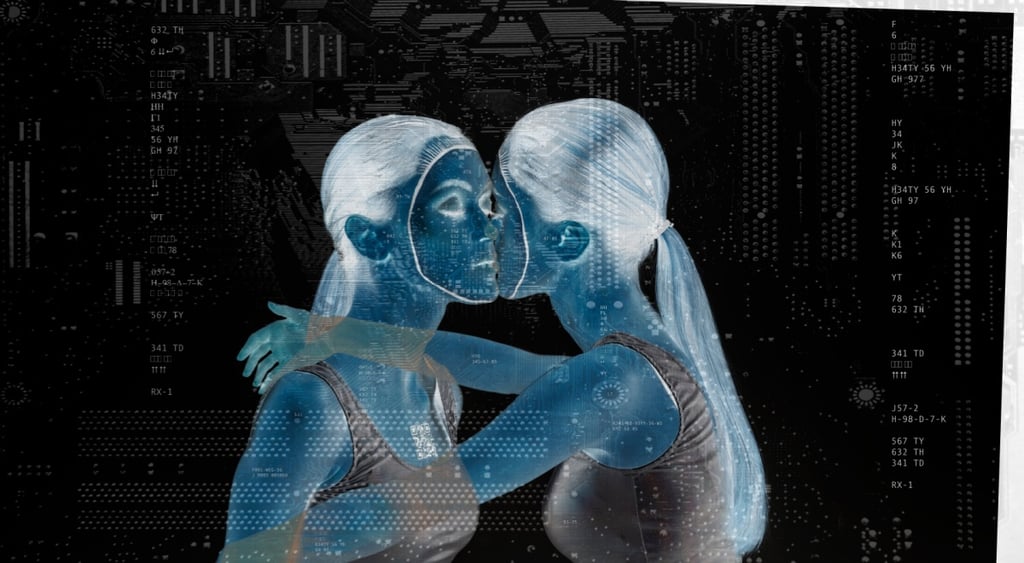
In 2021, Microsoft patented a chatbot that would let you talk to specific individuals, including dead people. But experts emphasize that it's not just the deceased who should consent to their new "digital after-life", but also the people who interact with the online clones.
“It is vital that digital afterlife services consider the rights and consent not just of those they recreate, but those who will have to interact with the simulations,” Dr. Tomasz Hollanek, the co-author of the University of Cambridge study on the potential impact of digital recreations of dead people, said.
In 2025, there was a rise of AI deepfakes showing famous deceased people, like Martin Luther King Jr., saying racist things or fighting a fellow campaigner, Malcolm X. While Zelda Williams, the daughter of late actor Robin Williams, has urged fans to stop sending her AI-generated videos of her father.