As world population declines, humanoids will pick up the slack: or will they?
We should probably take it with a pinch of salt, but Recorded Future, a cybersecurity firm, predicts that we might soon live with more than three billion humanoid robots, integrated into human society. That’s thanks to advances in AI development. Regular workers shouldn’t rejoice, though.
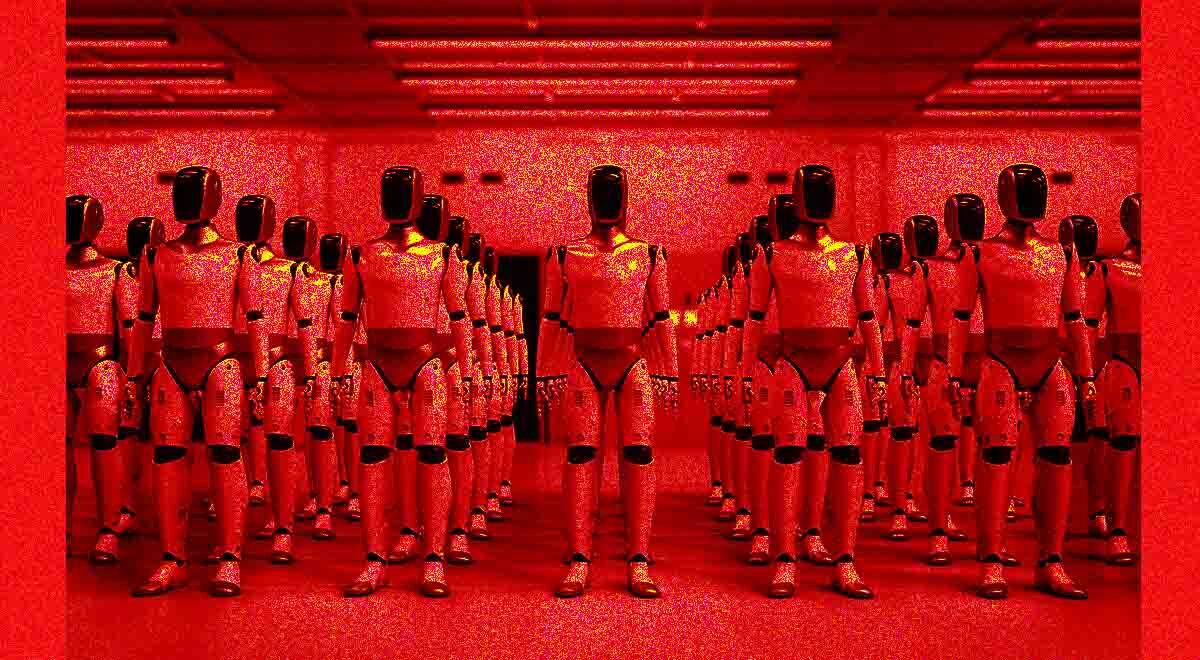
Image by Cybernews.

 Follow us
We should probably take it with a pinch of salt, but Recorded Future, a cybersecurity firm, predicts that we might soon live with more than three billion humanoid robots, integrated into human society. That’s thanks to advances in AI development. Regular workers shouldn’t rejoice, though.
According to Insikt Group, the threat research division of Recorded Future, the prospect of humanoid robots functioning autonomously in workplaces and public spaces is moving from speculative to attainable.
What also helps, ironically, is the global population decline, which, again, is what the Insikt Group thinks, accelerating the demand for humanoid robots designed to operate within human environments and offset growing labor shortages across industries.
“Investors are positioning for long-term growth, with research suggesting that by 2060, more than three billion humanoid robots could be integrated into human society,” said the researchers, adding that China is already leading the field, precisely because it’s already facing a steep population decline.
Labor replacement prospects





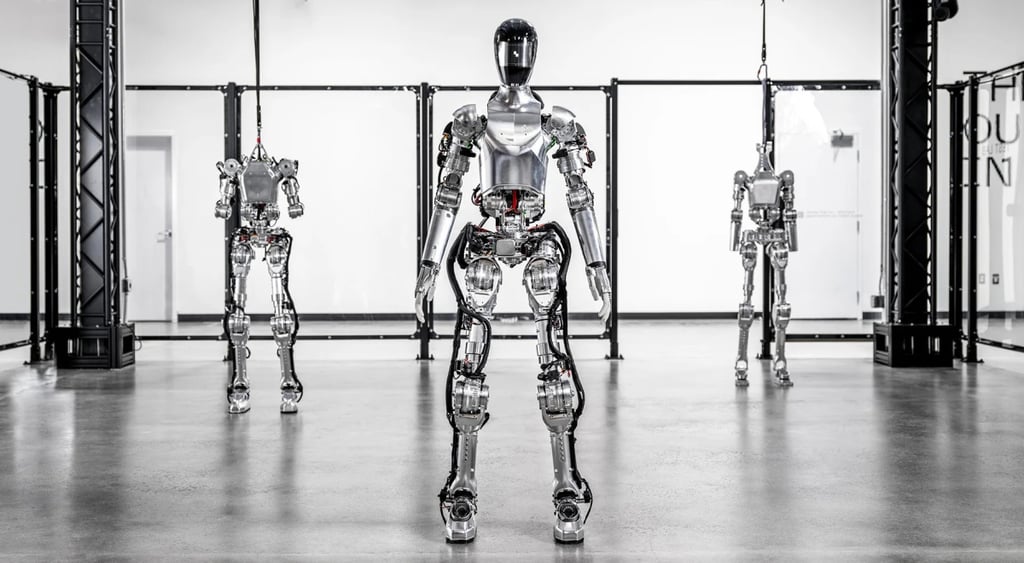
To Insikt Group, humanoid robots – general-purpose, bipedal robots modeled after the human form and designed to work alongside humans – “represent a potential solution and a means of sustaining productivity and economic stability” as traditional labor pools contract.
Since Recorded Future focuses on cybersecurity, the report emphasizes that humanoids will “almost certainly” be vulnerable to cyberattacks, ranging from hijacking and data leaks to the formation of botnets.
“This highlights the urgent need to treat humanoid robots with the same rigorous cybersecurity standards as any connected system,” says the report.
However, the hype-like idea that these types of AI-powered robots will inevitably swarm our world, pushed by Insikt Group as a sort of a given, is not actually grounded in solid facts.
First, the report mentions “the anticipated arrival of artificial general intelligence (AGI),” which will supposedly enable robots to almost fully replace human workers.






But despite claims that machines may one day achieve an advanced level of “general intelligence,” such a concept doesn’t even have an accepted definition.
Yes, humanoid robots have indeed moved from lab novelty to front-row tech story in 2025, but there are still quite a lot of unanswered questions about work, data, and risk.
It’s just hype: human jobs are still safe
And even though tech barons such as Elon Musk and Nvidia’s CEO Jensen Huang keep claiming that these robots will soon be able to perform surgery, complete ultra-long shifts at factories, or even serve as in-home butlers, proper robotics experts disagree.
UC Berkeley roboticist Ken Goldberg wrote this summer that robots aren’t actually gaining real-world skills as quickly as, for instance, AI chatbots are gaining language fluency.
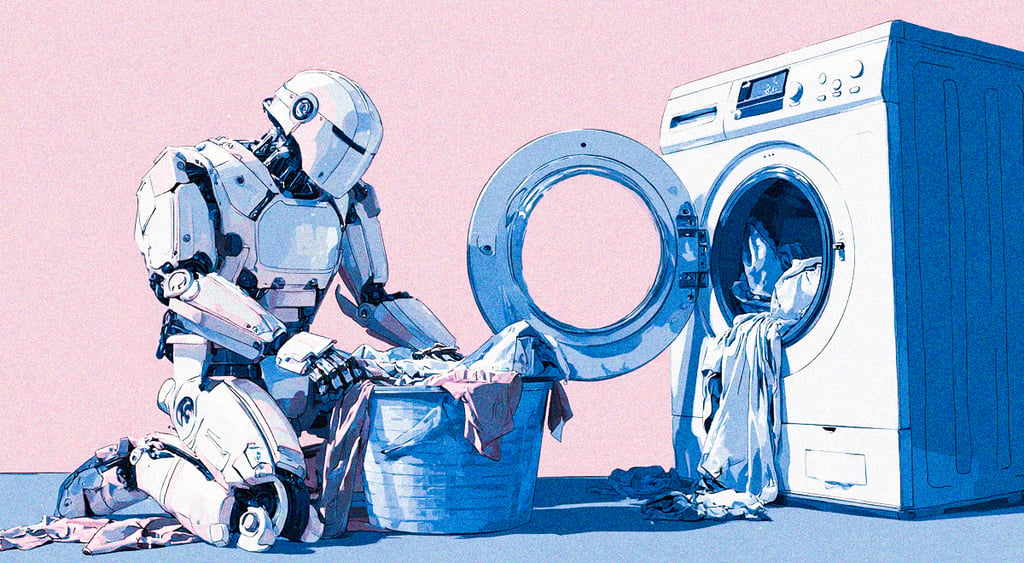
Goldberg calls all the fuss about humanoids “hype.” The machines might be infused with AI, but they still can’t pick up a wine glass or change a light bulb.
Certainly, large companies would like humanoid robots to be able to replace expensive human workers. In fact, already in 2023, Goldman Sachs analysts wrote almost giddily that a quarter of all global work could be replaced by AI and automation tools.
“Our estimates suggest that a large share of employment and work is at least partially exposed to automation by AI, raising the prospect of significant labor savings,” the analysts said.
As Emily Bender and Alex Hanna pointed out in their book The AI Con: How to Fight Big Tech’s Hype and Create the Future We Want, “Goldman Sachs is saying the quiet part aloud here: we found a way to save a boatload of money by replacing you.”
But Goldberg is adamant: “To my mind as a roboticist, the blue-collar jobs, the trades, are very safe. I don’t think we’re going to see robots doing those jobs for a long time.”
Unlock more exclusive Cybernews content on YouTube.