Microsoft is replacing OpenAI in Copilot to cut AI costs
The Windows giant is going for in-house alternatives
Thomas Trutschel via Getty Images

 Follow us
- Microsoft is replacing OpenAI and Anthropic models with its own MAI models in Excel and Outlook to cut soaring AI costs.
- Heavy AI users can cost up to $14,000 on a $200 subscription, forcing companies to subsidize usage and seek cheaper alternatives.
- Microsoft's in-house models perform significantly worse than premium rivals, closer to open-source options like DeepSeek than Anthropic's best models.
- Businesses are switching to Chinese AI providers charging 18 cents per million tokens versus $4 for Western models, reshaping the industry.
Key Takeaways by nexos.ai, reviewed by Cybernews staff.
Microsoft has begun replacing AI models from OpenAI and Anthropic with its own in-house models across parts of its Copilot portfolio. The move signals a strategic shift aimed at reducing the soaring cost of serving AI features to millions of users.
According to Bloomberg, Microsoft has already started routing some AI requests in Excel and Outlook to its proprietary MAI models. Tens of thousands of prompts are now handled by Microsoft's own models rather than those developed by OpenAI or Anthropic.
While this volume still represents only a fraction of total user queries, it signals a definitive strategy to diminish the company's reliance on third-party AI vendors over time.
The financial motivation behind the shift is clear. Flat-rate subscriptions have proven highly unprofitable for AI providers when dealing with heavy users.






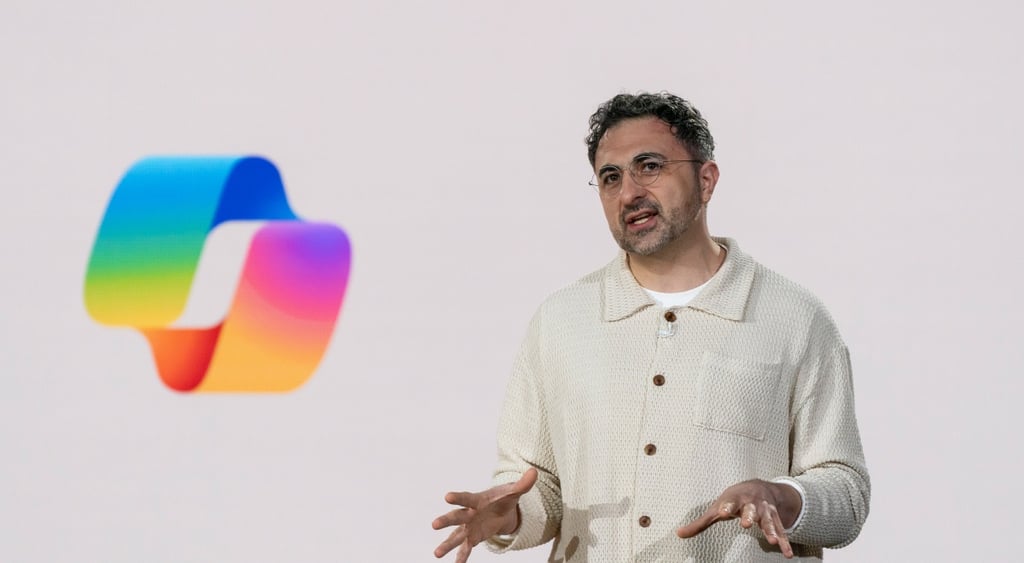
In June, Mustafa Suleyman, Microsoft’s head of AI, explicitly outlined the company's defensive pivot: "We pay a lot of money to Anthropic – so our goal is to reduce and ultimately eliminate that cost."
Soaring AI bills
For enterprise and retail customers. However, this cost-cutting maneuver may result in a less capable product for the same price.
At its recent Build conference, Microsoft debuted 7 in-house models, including its first reasoning model, MAI-Thinking 1. Although Microsoft claimed the model could compete with Anthropic's flagship Sonnet 4.6 and Opus 4.6 in coding, independent benchmarks painted a different picture.
According to The Decoder, Thinking-1 trailed top-tier US models by a wide margin, performing closer to open-source alternatives like DeepSeek V3.2.



Stay updated with our latest stories and follow us on social media
Be the first to discover new stories, ideas, and updates from our team.
Microsoft's strategic retreat from offering premium models reflects a broader panic across the tech sector as enterprise buyers realize the true financial toll of "tokenmaxxing." According to recent research, a single heavy user on a premium $200 monthly plan can generate up to $14,000 in actual token costs, forcing AI labs to heavily subsidize usage.
Uncapped corporate access has led to eye-watering financial surprises in recent times. Industry data highlights extreme cases where companies have completely failed to manage employee usage. For instance, Uber burned through its entire annual AI budget for 2026 in just 4 months due to surging developer reliance on automated coding tools like Claude Code.
This has led many businesses to switch from premium American AI models to more affordable Chinese alternatives. While premium Western models charge upwards of $4 per million tokens, Chinese providers are offering comparable capabilities for as little as 18 cents per million tokens.