Microsoft can spot AI-generated pictures better than you. Prove them wrong
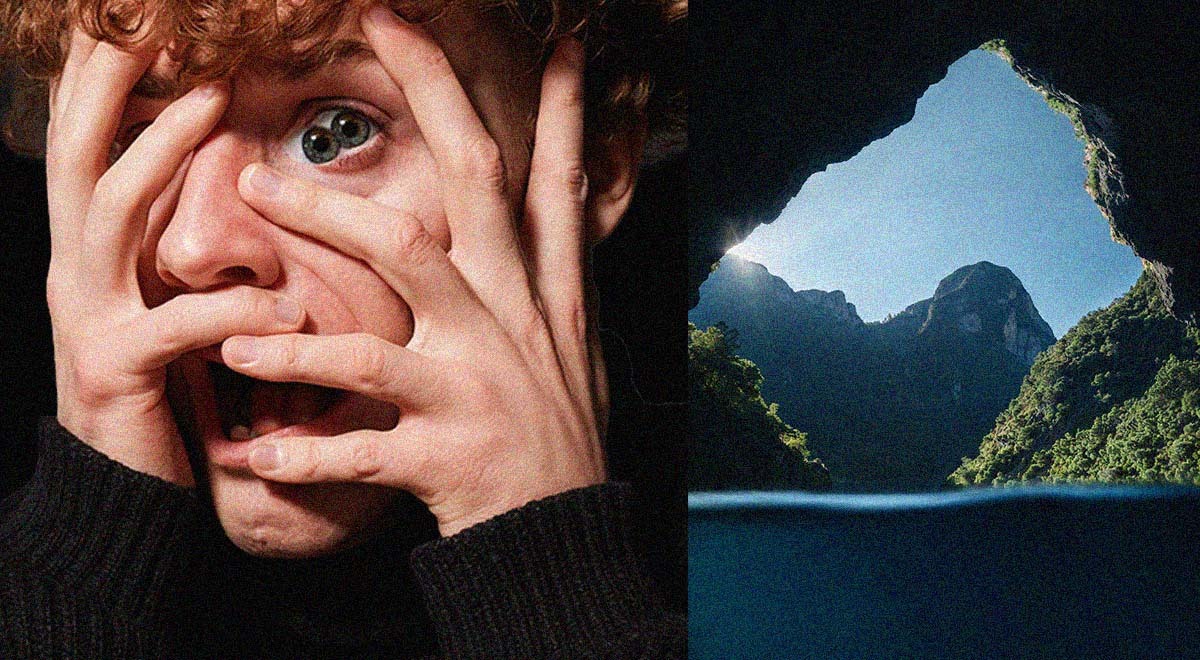
There is a quiz you can take and a study that suggests there is only a 50/50 chance you’ll spot a synthetic landscape.
By Cybernews.

 Follow us
There is a quiz you can take and a study that suggests there is only a 50/50 chance you’ll spot a synthetic landscape.
When AI first started to create images, they were very easy to spot and even became trendy online anecdotes.
Just try and remember AI female models with more or less fingers than five, during the pandemic – viral fake images of wild animals supposedly coming back to big cities as there were no longer any cars or people, and of course, one of the recent pieces of art – the salmon in the river, although it’s not the oldest example.
My favorite instance of this is AI artwork produced from the prompt 'salmon swimming in a river'. It is a mistake, but the kind of mistake that a child would make. That is precious. https://t.co/A3mc6UyIST pic.twitter.com/MVrDIxKL9Z
undefined ib (@Indian_Bronson) March 16, 2023
However, nowadays, organisations and governments are talking more and louder about the dangers of high-quality AI images.


For instance, the Take it Down Act, federal legislation, signed only this year in May in the US, criminalizes the distribution of intimate images if they are distributed and sent out without consent. This includes AI deepfakes.
Another example is “Made with AI” labels that were introduced last May.
If an image is generated with the help of AI or heavily edited with AI tools, it should be labeled as such on Instagram, Facebook, and Threads to enhance transparency and prevent people from believing in something non-existent. Although at first, this initiative did receive some backlash.

As people spend more time surrounded by AI-generated content, it becomes easier to spot creations without any human touch. However, even eagle-eyed people fall for AI deception.
Just recently, Microsoft created an online quiz where users (not just researchers) are shown 15 randomly selected images from either stock photo libraries or different AI models.
A study based on the results of the quiz shows that around 62% of the time, humans can accurately tell apart which images are real and which were AI-generated. When looking at specifically AI-generated images, the success rate went up to 63%, which still suggests that most people struggle to spot synthetic content.




The study also found that humans were the most accurate when looking at human portraits, but when it came to landscapes or urban environments, accuracy dropped significantly to just 50%.
The researchers concluded the study by stating that AI-generated images are now extremely hard to spot without digital tools or disclosure labels. Tell us, what was your result when taking the quiz?