Forget bigger AI: scientists shrink models to decode the brain
Scientists studying monkey brains have built a tiny AI that explains how neurons respond to images, offering new insights into artificial intelligence, visual processing, and even Alzheimer’s research.
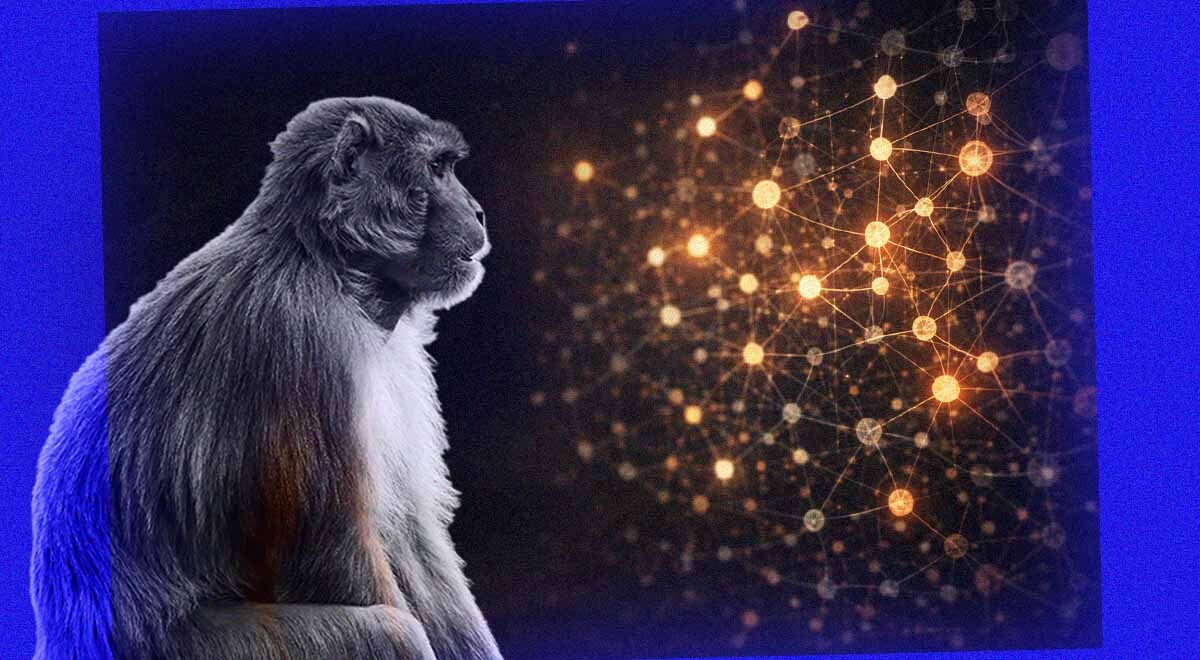
Image by Cybernews

 Follow us
Scientists studying monkey brains have built a tiny AI that explains how neurons respond to images, offering new insights into artificial intelligence, visual processing, and even Alzheimer’s research.
When it comes to building and training AI designed for AGI – artificial general intelligence – the systems need to be smarter than humans. And to be smarter than humans, the models will need superior brains, so to speak.
Building human-like AI requires massive computational clusters, but this approach doesn’t reveal how real brains work, mainly because they are highly complex and have many parts unaccounted for.
Benjamin Cowley, a neuroscientist at the Cold Spring Harbor Lab, asked: “How then do we figure out the inner workings of the biological brain?”
It’s not a case of simply racing ahead without any nuanced consideration of how the human brain functions, as biology comes into the mix, particularly when AI is supposed to replicate and demonstrate reasoning as closely related to human thinking as possible.






Small AI, big insights
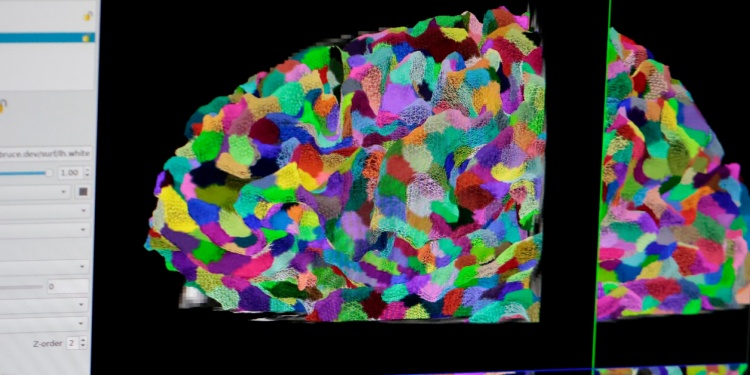
Cowley’s team trained large AI models on macaque monkey visual responses before compressing them by 1000 times. The team was measuring how the monkey's brain neurons fire in response to the stimuli in the image.
“The compact model neurons all break down images into low-level features like edges and colors,” explained Cowley, as smaller models allow direct interpretation of neural mechanisms.
This approach illustrates that simplicity can outperform complexity in understanding the brain. The team also found that some neurons specialize in dot detection, a seemingly random but meaningful task.
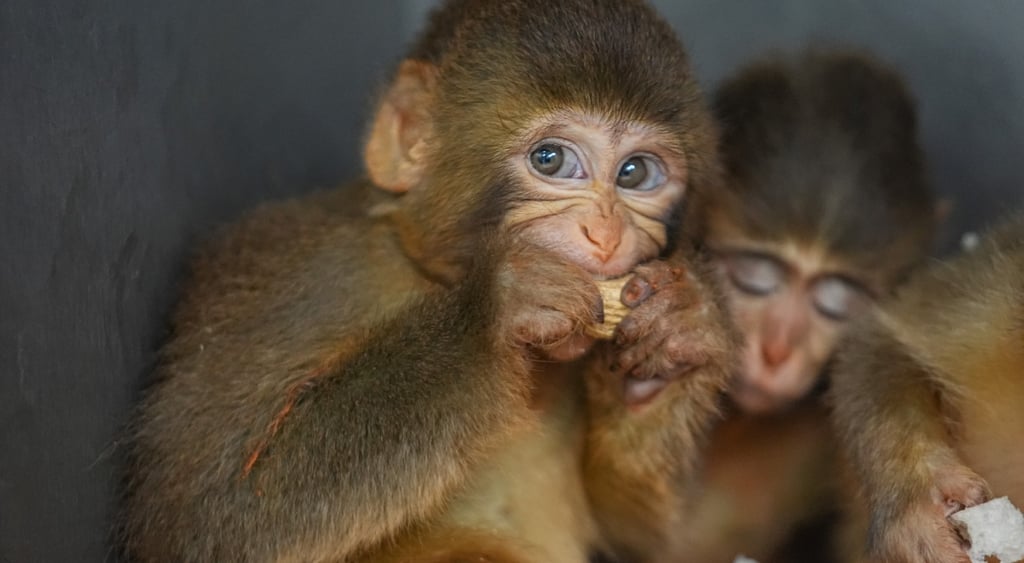
“In the monkey’s brain, and in our brains, too, most likely, there’s a group of V4 neurons that love dots,” Cowley said.
Joining the dots
Dots are crucial for eyes and face recognition, which underpins social interaction. Visual cortex studies reveal how basic features are consolidated into complex perceptions.
These insights could explain why certain patterns capture attention or convey meaning, so when training AI, optic data could serve as a key barometer of a model's success. This is opposed to the impression of churning out words, such as is the behavior of current LLMs (large language models), which don’t always remember things effectively.
The research opens paths for AI-informed studies of mental health conditions. Cowley envisions applications for Alzheimer’s dementia, targeting synapse loss: “If we know the images that drive neurons to talk to each other, we can potentially rebuild synapses.”
This work demonstrates how AI and neuroscience can inform each other. Potentially, visual-based interventions could support neurodegenerative disease prevention or therapy, while also offering a leg-up for AI training.





