NASA to forecast space weather and Wifi outages
NASA is planning to adopt new AI tools to predict space weather. By combining solar, ionospheric, and magnetic field data with machine learning, NASA has already developed models that can foresee satellite-disrupting events up to 24 hours before they happen.
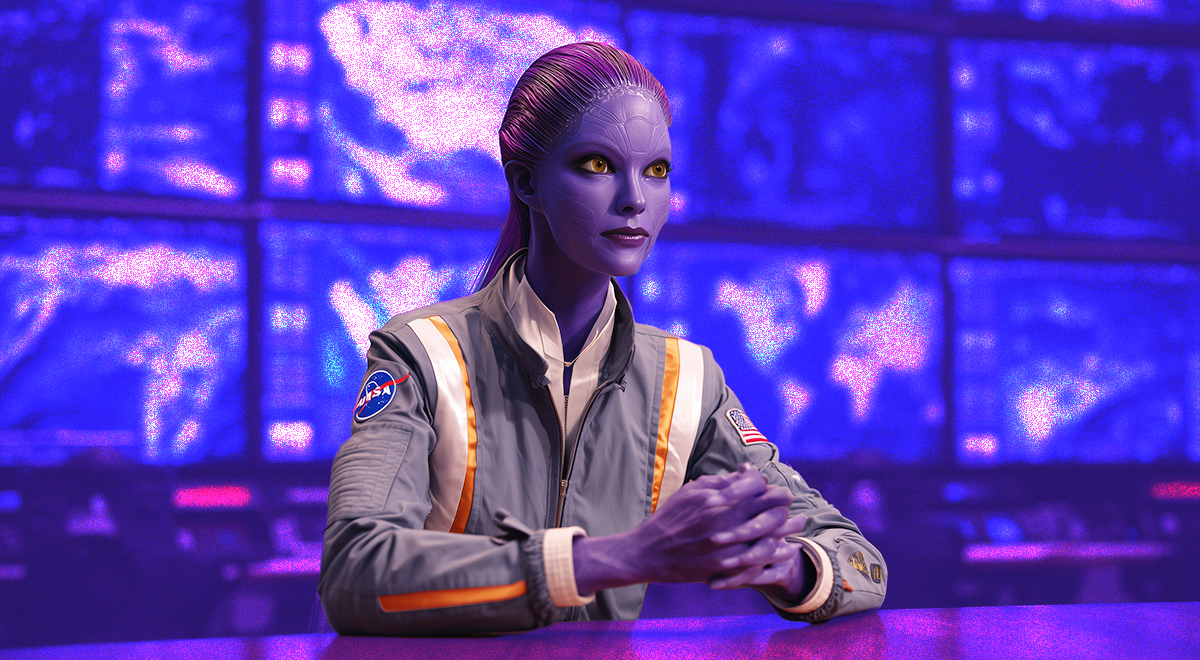
Image by Cybernews.

 Follow us
NASA is planning to adopt new AI tools to predict space weather. By combining solar, ionospheric, and magnetic field data with machine learning, NASA has already developed models that can foresee satellite-disrupting events up to 24 hours before they happen.
When a satellite is disrupted by space weather (think solar flares, geomagnetic or radiation storms) a number of things can go wrong. Depending on the type of satellite, GPS signals can cause disruptions in navigation systems, TV broadcasts, internet services, and during stronger storms, even alter the satellite’s orbit, which could lead to a collisions with other satellites out there.
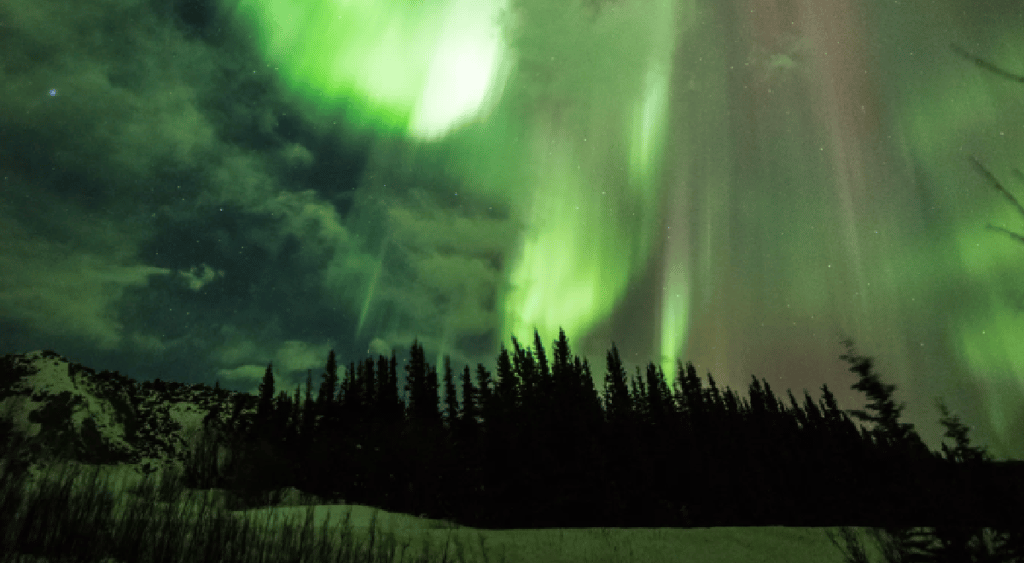
Solar flares, geomagnetic or radiation storms, however, also result in beautiful auroras.
In the summer of 2024, green auroras lit up skies across North America, but they came at a price – the same solar activity that created what many were admiring could have also caused disrupted satellites, says NASA.
"These colorful ribbons of light are the visible manifestation of the solar wind – the flow of charged particles from the Sun – interacting with the Earth’s magnetosphere. Strong geomagnetic storms stimulate our atmosphere and light up the night sky, creating auroras," NASA described the image at the time.






To make space weather a win-win situation for both those who are keen to stay online and nature lovers, NASA has been working with artificial intelligence specialists through its Frontier Development Lab in California.
Between 2017 and 2019, a company called KX Systems, which usually supplies financial markets with its data platform, decided to see if the same technology could help in space. Their goal – to predict solar storms that could knock out GPS signals.




By analysing data on the Sun, Earth’s magnetic field, and the ionosphere, AI models developed in the programme were able to forecast disruptions up to 24 hours in advance.
KX says lessons learned with NASA have also fed into its commercial products, which now help industries predict equipment failures and improve efficiency.
Unlock more exclusive Cybernews content on YouTube.
