Ukraine: Russia rapidly developing AI-driven drones equipped with machine vision
Russia is briskly developing a new generation of autonomous, AI-driven drones, designed to operate in swarms and, crucially, strike targets at distances of 62 miles. When deployed, these drones could quickly expand the battlefield, according to one Ukrainian expert.
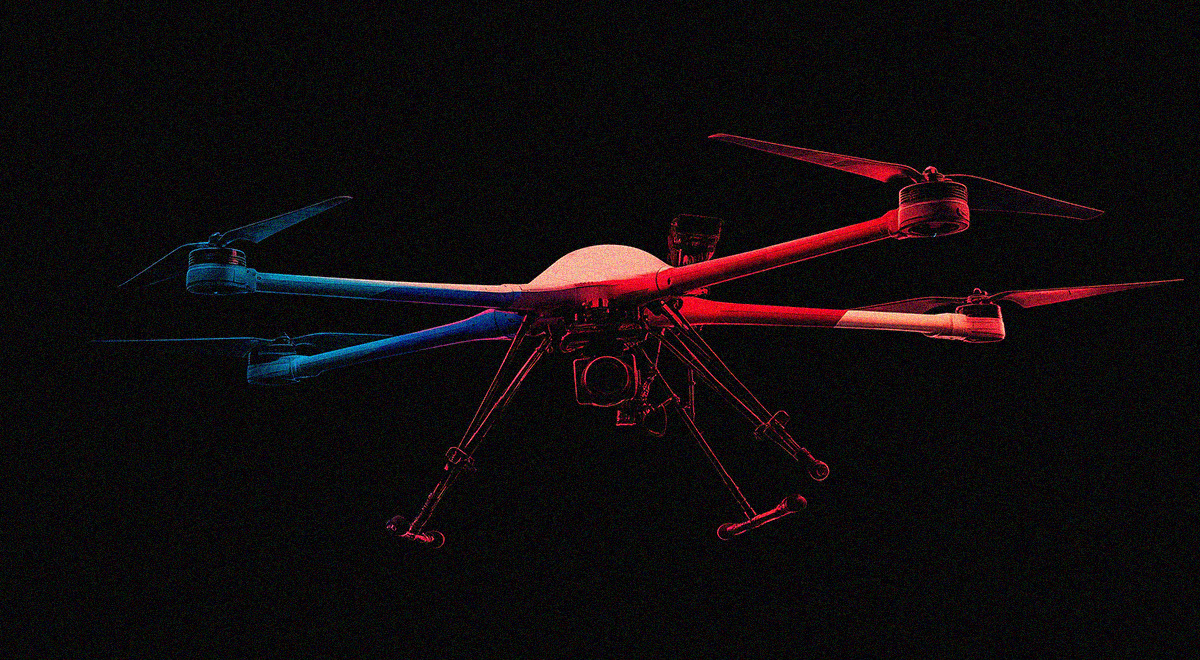
Image by Cybernews.

 Follow us
Russia is briskly developing a new generation of autonomous, AI-driven drones, designed to operate in swarms and, crucially, strike targets at distances of 62 miles. When deployed, these drones could quickly expand the battlefield, according to one Ukrainian expert.
Drone expert Serhii “Flash” Beskrestnov says he’s seeing signs that Russia is moving “aggressively” on several new vectors of drone development.
According to the expert, rather unfortunately, Russia has once again “borrowed” innovative technologies from the Ukrainians and rapidly scaled them.
This had already happened before, Beskrestnov said, when Ukraine tested the fiber-optic drones (linked to their controllers via long spools of fiber-optic wires and immune to jamming). A few months later, Russia began mass-producing them.
Russia, now pushing forward in the fiercely-contested Donbas region, is making alarming progress, Beskrestnov told Defense Express.












What was once considered a breakthrough – “machine vision” for automatic target acquisition – is now becoming standard on Russian rotary and fixed-wing drones. In other words, fully autonomous AI might soon be operating on the frontline.
That’s because after months of tests, Russia has reportedly finally begun using its V2U drone which requires no GPS or human commands and uses AI-powered terrain-analysis navigation to autonomously find and strike targets. Most probably, the V2U also has swarm capability.
The drone, Beskrestnov said, can be programmed to hunt anything its AI can recognize: military vehicles, enemy troops, or camouflaged objects. Moreover, analysis of downed V2U drones shows that their code is updated almost weekly as the AI is a fast learner.
Beskrestnov said already in May Russia was using as many as 30 to 50 of V2U drones per day across several different areas of the front, training the drone’s AI in the process.
Analysis of downed V2U drones shows that their code is updated almost weekly as the AI is a fast learner.
Besides, Russia is reportedly pushing to extend the range of its smart drones from the current 20-50 km (12-31 miles) to 70-100 km (43-62 miles).
To do this, the Russian forces have been deploying "mother drones" to the battlefield. These larger UAVs can fly 31 miles deep and relay signals for smaller drones which are then released to attack targets further. In other words, this dramatically extends the thread radius.
[Drone russe V2U] La version de reconnaissance du tout nouveau drone russe V2U.
undefined La souris (@La_souris_DA) October 30, 2025
(c) Informateur pic.twitter.com/auMAt8JPGo
Finally, Russia is experimenting with drone swarms, launching V2U drones in stacks of seven or eight.
Perhaps most importantly, Beskrestnov said, this sort of technology might one day be transferred to any long-range weapon such as the Shahed, an Iranian combat UAV used by Russia extensively in Ukraine.
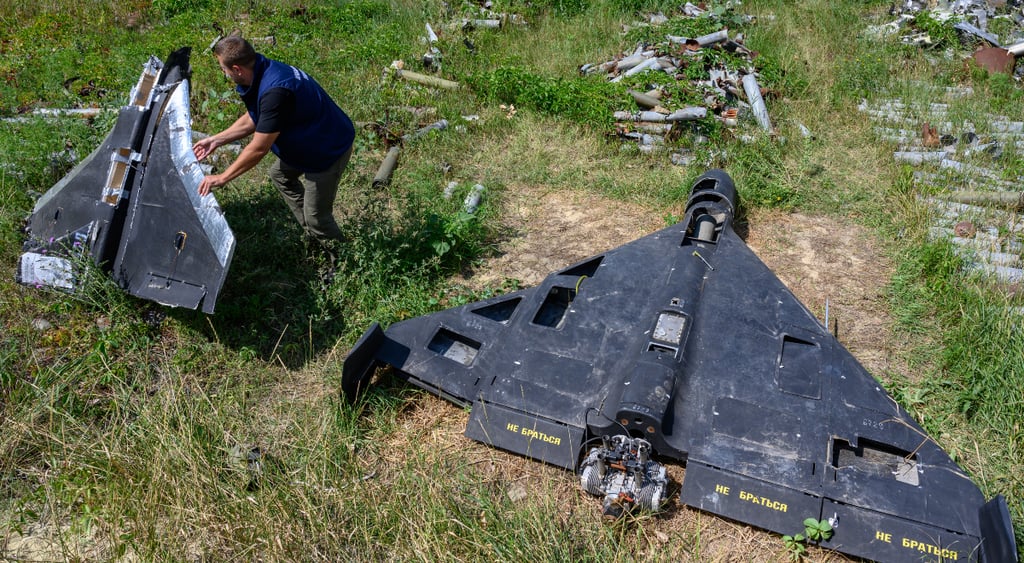
In a way, such a change would create a guided missile independent of satellites and able to navigate visually – and autonomously, said the expert.
Beskrestnov – MIT Technology Review profiled him last year – is allegedly popular among Ukrainian rank-and-file service members but is perceived by some high-ranking officials as a security threat because he’s sharing too much information on social media.
Unlock more exclusive Cybernews content on YouTube.