Why is Prague obsessed with crypto? The surprising truth behind Europe’s bitcoin capital
From massage salons to restaurants and coffee shops, from hospitality venues to local gyms, hundreds of places in this beautiful European capital accept bitcoin payments – seemingly, more than anywhere else in the world.
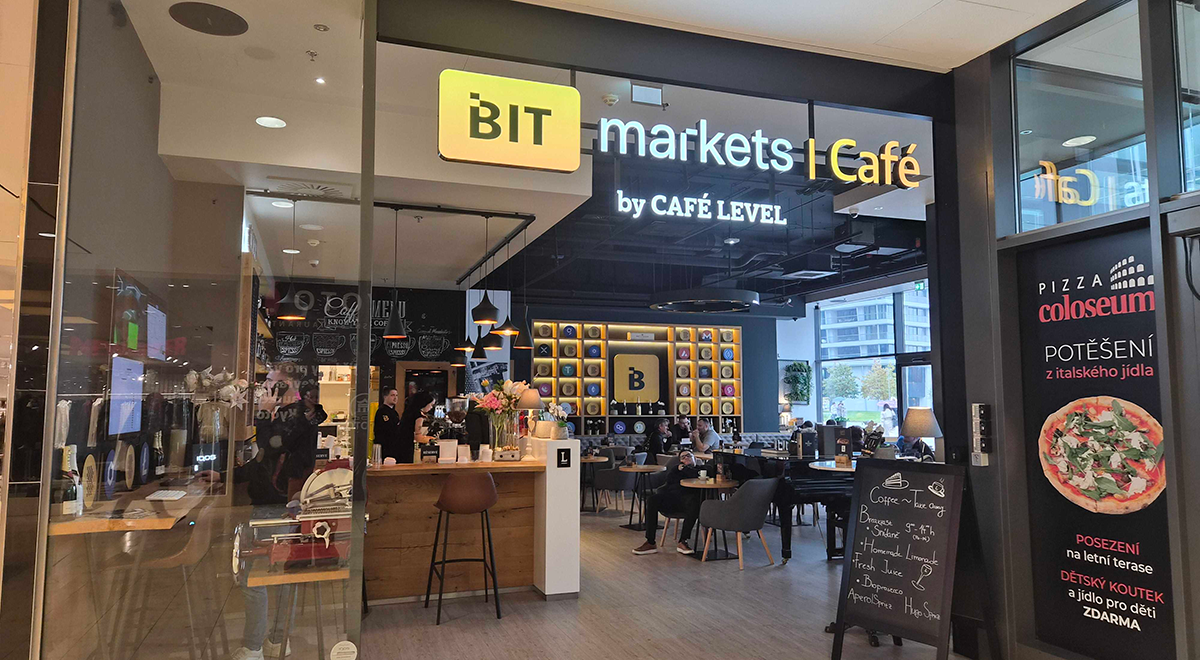
Bit markets cafe by Cybernews

 Follow us
From massage salons to restaurants and coffee shops, from hospitality venues to local gyms, hundreds of places in this beautiful European capital accept bitcoin payments – seemingly, more than anywhere else in the world.
- Prague is a hotspot for spending bitcoin: BTC Map lists nearly 350 bitcoin-accepting venues in Prague (1,000+ across the Czech Republic), and many merchants use Querko QR-payments that convert BTC to fiat — though it’s still wise to check acceptance before you go.
- Historical and cultural factors drive adoption: Czechs’ mistrust of centralized money (shaped by the 1953 monetary reform) and a strong local crypto scene (companies like Trezor) have helped make crypto part of everyday life.
- Policy and industry momentum reinforce the trend: the government introduced a zero tax on long-term crypto (3+ years), the central bank is even studying bitcoin as a reserve asset, and local firms are rolling out advanced hardware, signaling growing institutional acceptance.
Key Takeaways by nexos.ai, reviewed by Cybernews staff.
If crypto is more than just a speculative investment and you’d also like to pay for your coffee with cryptocurrency, Prague is probably the best city to do it. At least according to the BTC Map website, which tags places that accept bitcoin.
According to the map, there are over 1,000 venues in the Czech Republic where you can pay your bill using bitcoin. Nearly 350 of them are in Prague, so it’s highly likely you’ll be able to spend your bitcoin while visiting this iconic European capital.
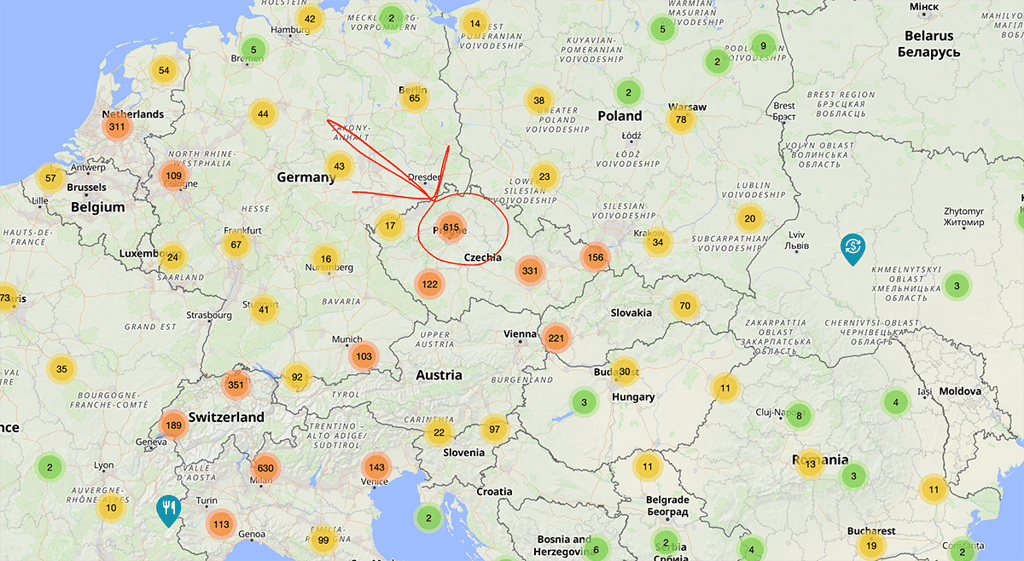



However, I still suggest checking out those places beforehand, as venues accepting bitcoin are still rarer than shops that accept only cash around here.
Hint: If visiting, look for a Querko logo and QR code. By scanning it, you can pay your bill using cryptocurrency, and it will convert your bitcoin into fiat currency for the merchant.
They might not even know that you paid in bitcoin!
This week, the crypto community flooded Prague after receiving an invitation from Trezor, a crypto hardware wallet company. Trezor is part of Satoshi Labs, a crypto technology company that, among other things, also makes chips for hardware wallets.
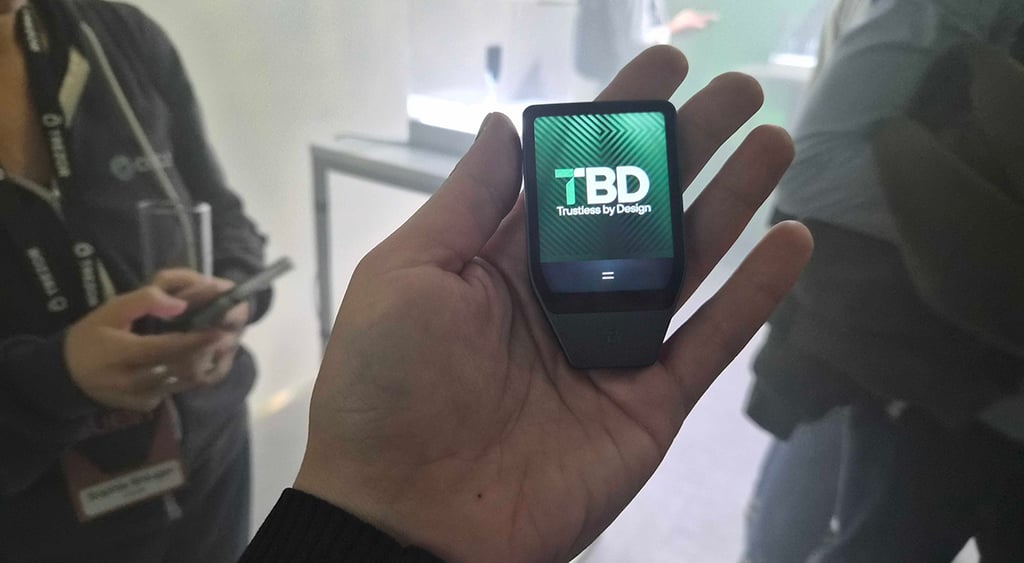
The big announcement was the Trezor Safe 7 hardware wallet – the first piece of hardware that’s supposed to protect your bitcoin when Q Day comes. In simple terms, one of the selling points of this $249 device is that it is supposed to be quantum-safe.
The Czech crypto community believes Prague to be the bitcoin capital of the world, not only because it has a thriving crypto business but also because hundreds of merchants accept crypto as payment. Despite being a part of the European Union for over two decades now, the Czech Republic has never adopted the euro. If anything, it seems to be leaning more towards bitcoin than the official fiat currency of the majority of the EU member states.
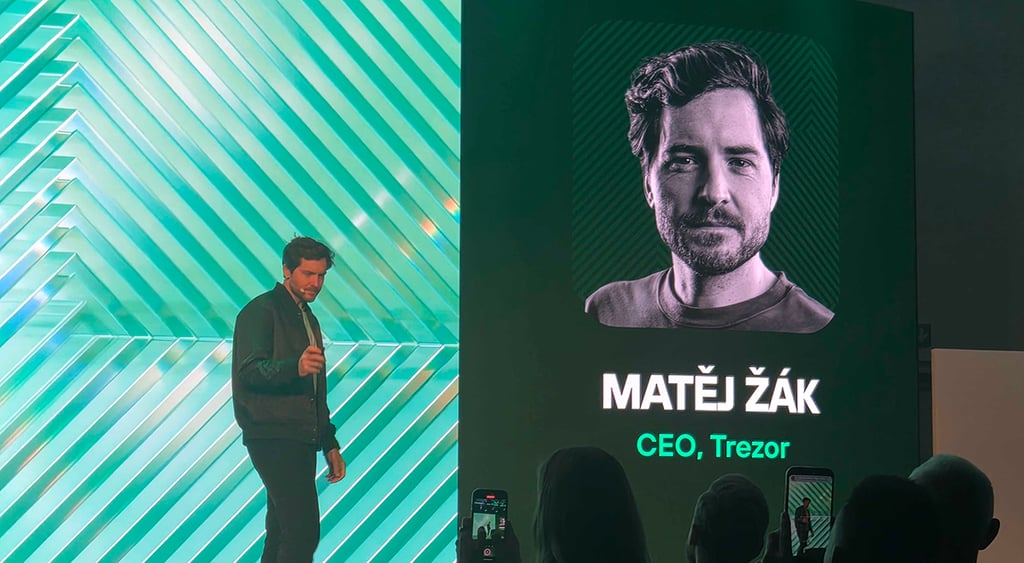
“Czechs have historically grown a pretty strong skepticism towards the establishment,” Matěj Žák, Trezor’s CEO, said.
It seems that the monetary reform of 1953 really imprinted itself on the collective Czech memory.
The infamous monetary reform in former Czechoslovakia in 1953, when the value of money in circulation was significantly cut, eventually led to the Plzeň uprising, during which hundreds of thousands of workers went on strike throughout the country.
“If you don’t control your money, you don’t really own it,” Žák tried to explain the nation’s love of bitcoin.
The current establishment in the country seems to echo this sentiment.
For example, last December, the Czech Republic introduced a zero tax on long-term crypto, meaning that people holding on to their bitcoins for three years or longer will no longer be required to pay capital gains on digital assets.






“A new time test will apply, which guarantees that if you hold cryptocurrencies for more than three years, their sale will not be taxed. We make life easier for people and support modern technologies,” Prime Minister Petr Fiala is quoted as saying.
In January, the Czech Central Bank chief Aleš Michl said they would analyze whether bitcoin could be a possible reserve asset. If they were to invest in bitcoin, according to Bloomberg, the move would make the Czech Republic one of the first countries to hold part of its foreign reserve in cryptocurrency.
The US, for example, has established a Strategic Bitcoin Reserve (SBR), and Donald Trump wishes the US, rather than Prague, would become the crypto capital of the world.
So Prague needs to hold on.
Cybernews' trip to Prague was covered by Trezor. The company had no influence over the content of this article which was written strictly following the Editorial guidelines.
Unlock more exclusive Cybernews content on YouTube.