Documenting everything everywhere all at once
Endless personal digital archives of every rendezvous, every flower, the first snowflake, screenshots of funny or infuriating conversations, memes, recipes, and notes can suddenly start to feel like we’re creating a case against ourselves that would help someone win against us in court.
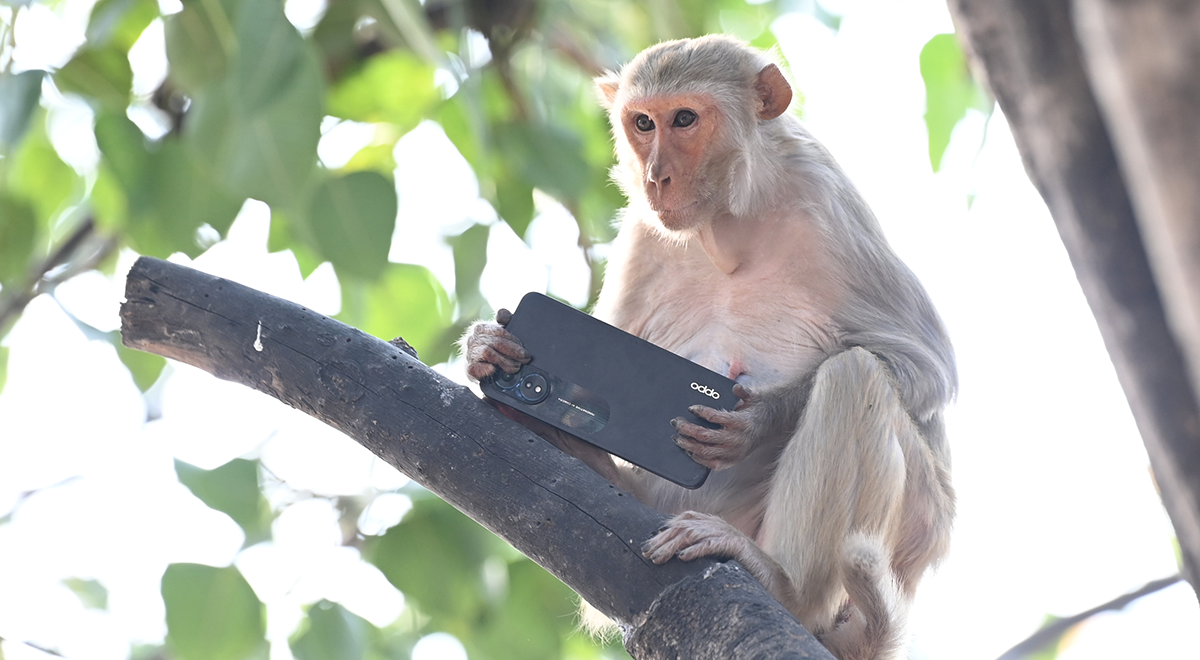
Photo by Sonu Mehta/Hindustan Times via Getty Images)

 Follow us
Endless personal digital archives of every rendezvous, every flower, the first snowflake, screenshots of funny or infuriating conversations, memes, recipes, and notes can suddenly start to feel like we’re creating a case against ourselves that would help someone win against us in court.
I'm fatigued by the freedom of choice – I can watch, read, and listen to whatever, whenever. There are so many options to both consume and create content that I end up rewatching the same TV series for the umpteenth time, bookmarking articles I am never going to read, and actually reading far more reviews of books I am also never going to read.
We actually need so little. One book, one movie a week, a single picture of our loved ones, one really good album on repeat, one magazine you could read cover to cover. It's no wonder people are toying with film cameras, reviving vinyl players or buying mp3 players, and setting their smartphones to black and white just to be disturbed less.
When was the last time you verbally described what you saw on your morning run instead of shoving a picture in someone’s face?
The digital trail we leave behind is ridiculous. Places I've been to, what I've eaten, where I wandered during lunch, bars I've visited, how much I spent, people I was with, conversations I had in person and online, health issues, sleep patterns, even my opinions – it's all there. And yes, I certainly helped create this trail by obsessively tracking my movements.




In most cases, it doesn't matter, as all this information is mostly used to profile you and sell you stuff. But sometimes, that digital trail can become a powerful weapon against you.
The Cybernews community is talking about this. Be a part of the conversation.
Recently, Wired recently reported on a case involving a Canadian man who came under the spotlight after Google revealed that the DHS had requested his location, activity logs, and other information. The customs summons request was issued to investigate some issue related to illegal imports. Notably, the Canadian man had been critical of the Trump administration after federal agents killed Renee Good and Alex Pretti.
It just so happens that, under Trump’s watch, tech giants like Google and Meta have been hit with more subpoenas. Sometimes companies can’t help but comply with government requests to share what they know about you. It has led to arrests in the past.






Maybe you’ve nothing to hide, but… Governments aren’t always fair to everyone.
“I haven’t done anything wrong, therefore, I shouldn’t be afraid” is a premise that won’t get you far.
Not to forget that breaches happen all the time. For example, the Anti-ICE website allegedly exposed personal information of 17,000 activists, raising a concern that names, email addresses, phone numbers, and ZIP codes of people protesting against ICE could end up in the hands of the government.
In that light, do you still want to keep building a pre-compiled dossier of yourself? If not for the government, then for some IT-literate asshole who could steal your identity in no time?
For those interested, here’s a little advice for reducing your digital footprint in a small, but manageable way.
Go analog sometimes: Consider going on some adventures without your devices. If you have your phone with you, your location is traceable, and you’ll be tempted to share what you’re up to.
Put down your phone: Observe an event through your own eyes, and then use your words to describe it to a friend instead of sharing another meaningless reel. This is increasingly difficult to do, with our shortened attention spans and AI doing it for us. And so, it is as important as ever.
Switch to privacy-focused tech options: Ditch Google, TikTok, Meta apps, and forget data-harvesting and simply malicious browser extensions. May I suggest even exploring some European tech alternatives built with privacy in mind?
Opt out of personalization: Decline cookies, block ads, hide your location. That hyperpersonalization isn’t created for you – it’s designed so advertisers can know you better.
And above all, be polite online: Exercising your free speech should not mean hate speech, doxxing, and endangering federal agents or any other human beings.