The week in WTF Tech: productivity hype, VR forest, and Nazi pop gone mainstream
We’re constantly trying to hack the system, find ways to be more productive at work, read more books, and travel to as many cities as possible as soon as possible. Gosh, even our workout sessions are organized using spreadsheets.

By Cybernews

 Follow us
We’re constantly trying to hack the system, find ways to be more productive at work, read more books, and travel to as many cities as possible as soon as possible. Gosh, even our workout sessions are organized using spreadsheets.
So why do we act surprised when some morning routines go viral on TikTok? You get up at five in the morning, do some yoga, drink a matcha latte, listen to a true crime podcast, and then you’re ready to start getting ready for work.
As our writer Marcus Walsh explains, it’s the “always on” culture, where everything from consuming vitamins to sweating at the gym seems desirable and instagrammable.
Obviously, getting off social media would help. But YouTube, Instagram, and TikTok are an extension of a man, as Marshall McLuhan once said about the media. My coworker, 27, easily spends eight hours on YouTube every day, so can we ask them to give up on social media?
Nor is it fair to make fun of people who are trying to glamorize the not-so-glamorous morning routine or evening hours. For those of us working 9 to 5, there’s not much free time left. In the evening, you’re tired – sometimes physically, and often emotionally. In the morning, you are just not ready to start another day yet. But more people are desperately trying to make the most out of their free time, coming up with seemingly crazy routines.
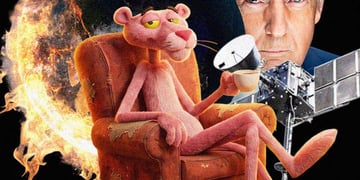



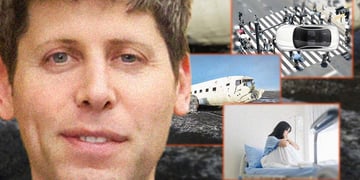

When we get to that burnout, it’s because of the hustle and bustle of the workplace. Not because we have that morning rut and matcha latte in the morning.
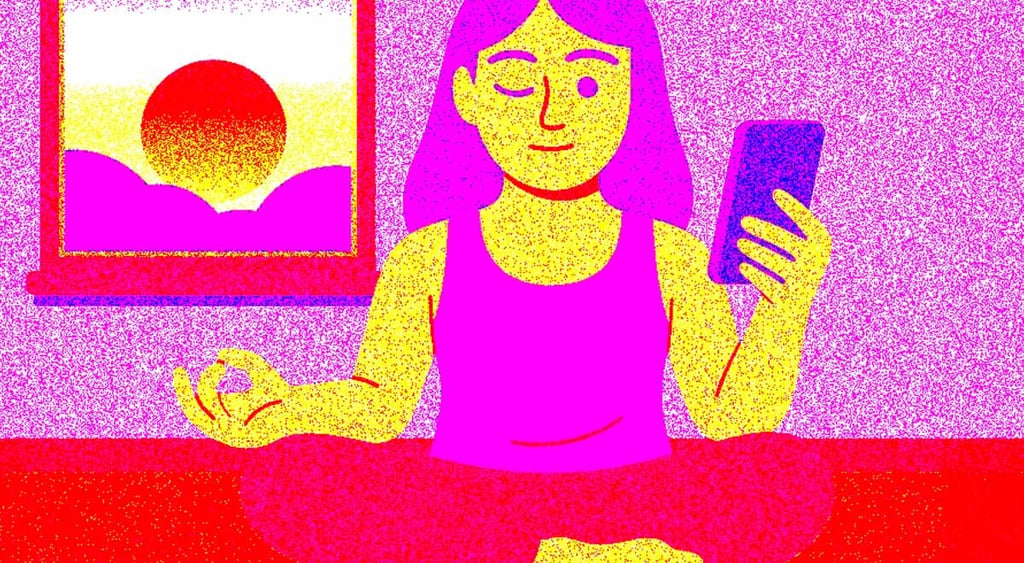
Another trend that’s been going on for quite a while already is forest bathing. I can’t really explain what it is as I’m a very old-school forest visitor, but apparently, now you can bathe in the forest without leaving the comfort of your house.
Researchers at the Max Planck Institute for Human Development in Berlin, Germany, have invented a virtual reality (VR) environment for forest bathing. It is supposed to do the same that being (sorry, bathing) in the forest does for you – reduce stress and anxiety.

I’m torn. On one hand, the technology can be used to help people trapped in concrete buildings and unable to move. On the other hand, what kind of world have we created where you need VR glasses to simulate nature for you?
But this last thing I want to bring your attention to is the most disturbing of them all.
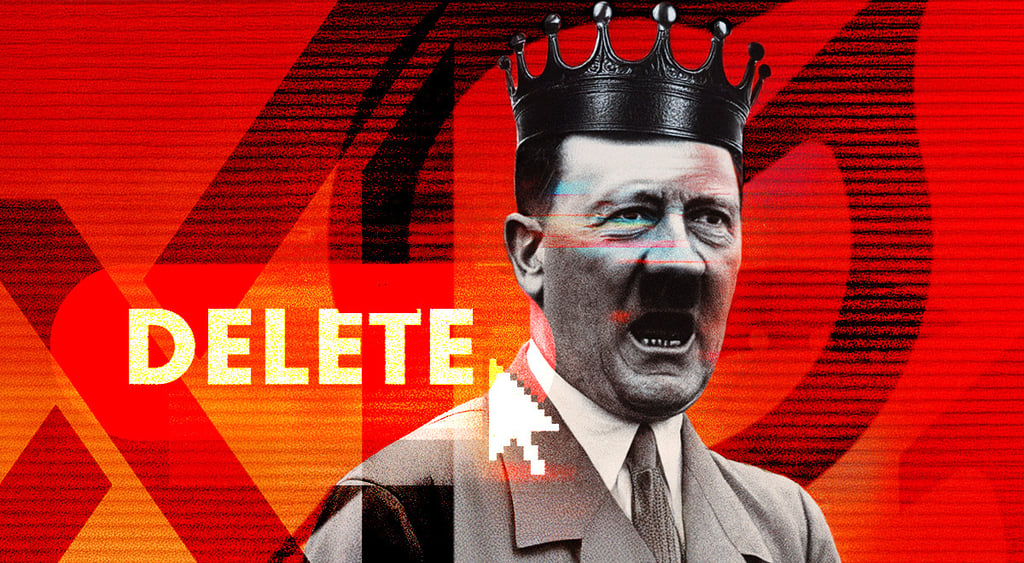
Nine months ago, we published an article and released a podcast criticizing AI translations of Hitler’s speeches. Platforms like TikTok, X, Instagram, and YouTube were infested with neo-Nazi and pro-Hitler content, while moderators largely turned a blind eye. When we brought this issue to light, we faced significant backlash and were accused of opposing free speech.
Today, we revisit the topic only to find out nothing has changed. Algorithms, designed to please users, push whatever narratives users prefer. If enough people like Nazi pop spreading hate speech, TikTok will push it to bigger audiences.
In some cases, it’s not even subtle. Grok posts praised Adolf Hitler as the best person to deal with “vile anti-white hate.”
“Grok’s meltdown is a feature, not a bug, of a modern algorithmic system.” That’s what I told The Mirror when they asked what happened.
The algorithms hold a mirror to our lives, and often, what we see is nothing to be proud of.