“No stickers anymore?!” 5+ years without free smartphone accessories prompt user nostalgia
In the year 2025, do we still care about what comes with our new smartphones?
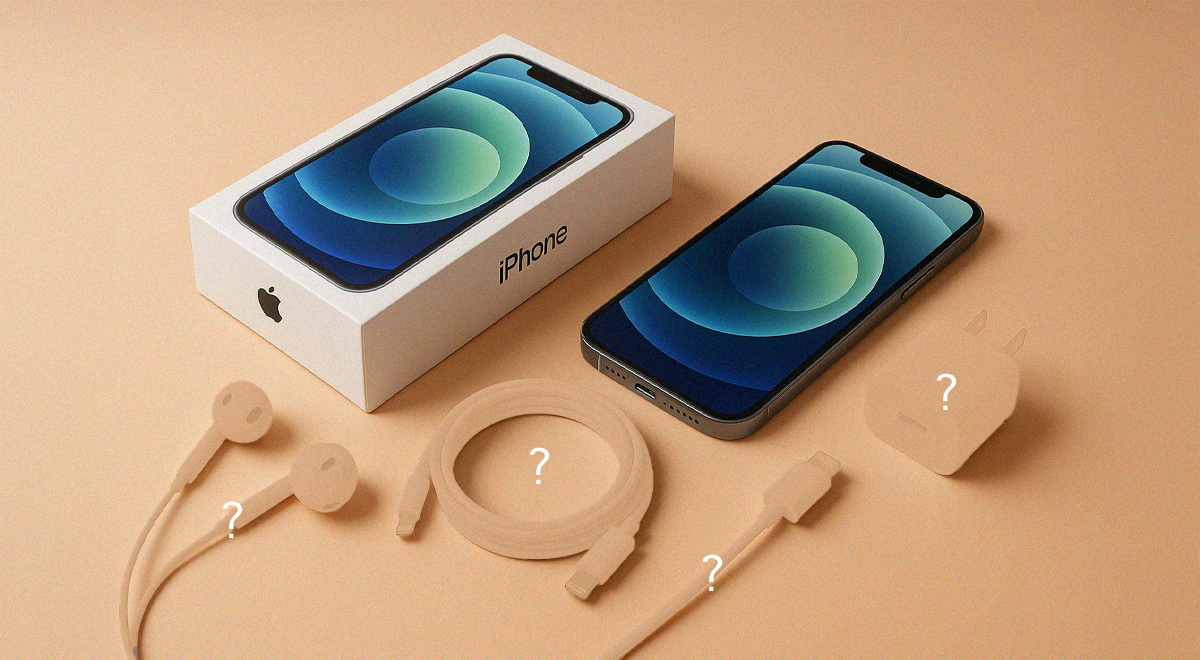
Image by Cybernews

 Follow us
In the year 2025, do we still care about what comes with our new smartphones?
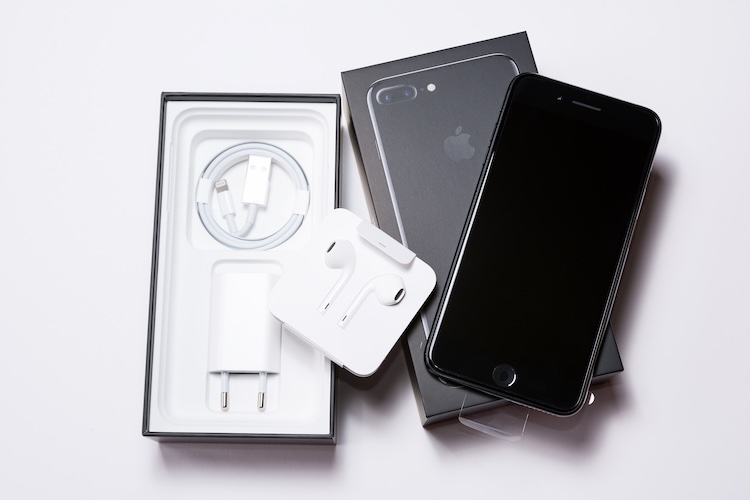
In the past, getting a new smartphone, whether from Apple or Samsung, also meant receiving accessories such as a charging block, cables, and even earphones.
However, the practice of adding extras to the packaging has changed over the years, with the box now usually including only the device and perhaps a cable.
While this change hasn’t happened overnight, some people still remember the good old times when the new phone box included all these additional accessories. The comparison between what users used to get back in the day versus what they get now started a discussion online.





Why do smartphone manufacturers no longer add accessories?
In 2020, Apple released the iPhone 12 lineup, which didn’t include a power adapter or earphones. Since then, the company has only added a charging cable to its smartphones.
Samsung has steadily removed add-ons since 2019, when its Galaxy Note 10 was released without a 3.5mm headphone jack. In 2021, the new Galaxy S21 series came out without a wall charger and earphones.
One of Reddit’s users shared a comparison of what buyers used to get when they purchased an iPhone 5-6 years ago to what they get now. This started a discussion online, with users providing different takes on this change.
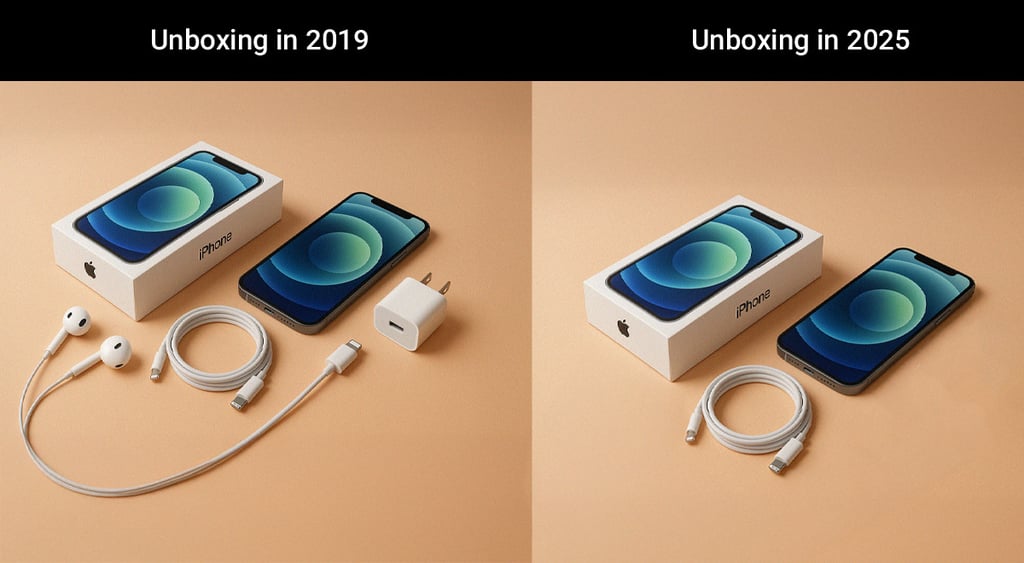
“That cable will be gone soon,” noted one user, referring to the cable, the only additional item still added to a new iPhone box.
The latest iPhone 17 series smartphones have already reached some users in a box that only contains the charging cable.
“Apple next year: ‘Wireless charging is becoming mainstream anyway,’” joked another user, hinting that the cable might no longer be added, either.
While it might seem understandable that people may want items such as earphones and chargers, there’s one more thing users miss during an unboxing.
“No stickers anymore?!” asked one Redditor. Another user shared, “I asked for one last week, and the employee was confused.”
While the main reason companies no longer add these extras is the need to reduce electronic waste, it also helps brands “lower shipping costs, simplify supply chains, and present themselves as environmentally conscious while still improving their margins,” explains the tech strategist, Jorge Tijerino.






A win-win situation? Tech brands saving on something we don’t need
“I will probably be burned alive for this, but…. I didn’t want all those extra things… I think I still have a box with a bunch of them I didn’t use over the decades,” shared one Redditor, with other users chiming in with the same issue, hinting that the decision to remove additional items from the smartphone box was the right move.
Even in cases when companies, such as Apple, decide to retire old smartphones before the release of the new device or need to comply with certain government regulations, users are usually barely affected.
Matthew Bailey, mechanical design expert at Design 1st, notes that everything we find in such a box costs money.
“If they can charge you the same price for the product but spend less on manufacturing, packaging, and shipping, it's a no-brainer. Waste reduction is a laudable secondary goal, but in most cases, it won't be the prime reason for removing something from the box,” shares the expert.
So, while these changes serve the common goal of reducing waste, they don’t entirely benefit users who pay more but get less.
Another thing to consider is that users still buy these accessories, whether to replace a broken cable or get a faster charger, which generates additional profit for the company.
Brands can’t cheap out on packaging
Considering that smartphone prices are rising, but users are finding fewer items in the packaging, some netizens joked that perhaps in the future, companies will stop delivering devices in a box.
“How about the box?” asked one user. “I’m ready for the brain implant. But upgrading it every few years will be annoying,” joked another.
“How about an eyePhone? They just stick it in your eyeball. You just pull out your eyeball for the new one,” continued one Redditor.
“Bring ur own box,” continued a user with another idea.
“Our new box-free iPhone is an innovation that will save the environment, or something like that,” commented another.
When it comes to the packaging, Bailey notes that while companies might look for new ways to “use thinner materials, more recycled content, or designs that take up less space,” they have to ensure that these changes won’t affect the packaging’s ability to keep its contents safe until it reaches the buyer.
“If you have ever ordered a phone and seen what it goes through in transit, you know the box is essential,” concluded the expert.
Is there anything left to unbox?
The reason why we might care so much about what’s in the box may be due to the rise of unboxing videos.
The unboxing video trend started 20 years ago, and even though it became a mainstream form of content, it still generates billions of views. For example, in 2023, the tech unboxing videos on YouTube generated more than 25 billion views, according to the platform.
Has the change in packaging contents impacted the creators of unpacking videos? Or perhaps people no longer care about the whole unpacking process that much?
Further discussion revealed mixed takes on the unboxing experience, with some seeing it as a pleasant event while others thought it was unnecessary and wasteful.
“[...] My iPhone 1 came with a dock, charger, cord, cleaning cloth, earphones with microphone, and when they lowered the price by $200 two months after the release, they sent me a gift card for $100 to make up for it,” shared one user.
“Back when the unboxing experience was so much fun,” noted another netizen.
“The concept of unboxing videos has led to so much expense and waste to produce unnecessarily attractive and complicated packaging,” opposed another user.
“[...] Maybe the idea of creating a special experience around unboxing a new high-value item is nice? I've never in my life watched an unboxing video. But I've enjoyed unboxing some items myself,” shared another user.
While people have different takes on unboxing, whether that’s doing it yourself or watching other people’s experiences, Tijerino notes that this concept isn’t going anywhere but changes the focus to the product and packaging design.
“If anything, it puts more pressure on companies to make the core product exciting enough that people still want to watch someone else open it,” concludes the expert.
Unlock more exclusive Cybernews content on YouTube.