Cory Doctorow rants about The Great Enshittening, and I’m here for it
Most tech giants aren’t even hiding the sad fact that we, the everyday users, don’t matter to them anymore. They’re only after our money – more of it each year. This is what The Great Enshittening, according to Cory Doctorow, looks like. But hey, the future might actually be bright again, the tech activist explains in his new book.

Image by Cybernews.

 Follow us
Most tech giants aren’t even hiding the sad fact that we, the everyday users, don’t matter to them anymore. They’re only after our money – more of it each year. This is what The Great Enshittening, according to Cory Doctorow, looks like. But hey, the future might actually be bright again, the tech activist explains in his new book.
Google? Shit. Facebook? Shit. Amazon? Shit. Apple? Shit undercover. Microsoft, Uber, Adobe? Cheating crooks. Doctorow doesn’t mince words when describing – in great detail – how outrageous the current state of our tech world is.
That’s what Doctorow’s new book “Enshittification” describes: the feeling of hopelessness over the decay of our once-beloved online platforms.
Lure you, lure the business, squeeze both
The internet, once an ultra-democratic citizen playground, a sort of den for geeks but friendly to civvies, has been captured, monopolized, and turned into a cold-blooded vampire beast on a mission to suck the blood out of our eyeballs.









“The capitalism of twenty years ago made space for a wild and woolly internet, a space where people with disfavored views could find one another, offer mutual aid, and organize. The capitalism of today has produced a global, digital ghost mall, filled with botshit, crapgadgets from companies with consonant-heavy brand names, and cryptocurrency scams,” writes Doctorow.
What makes it even worse is that all that was done on purpose. It’s not a glitch. It’s a technique, Doctorow says and describes it both very neatly and convincingly, providing multiple examples of how our life on the web is now, well, up shit creek.
Facebook was once nice to its users, wasn’t it? We followed whom and what we liked, and on our feeds, we saw all the stuff we and only we wanted to see – in chronological order. That’s the first stage.
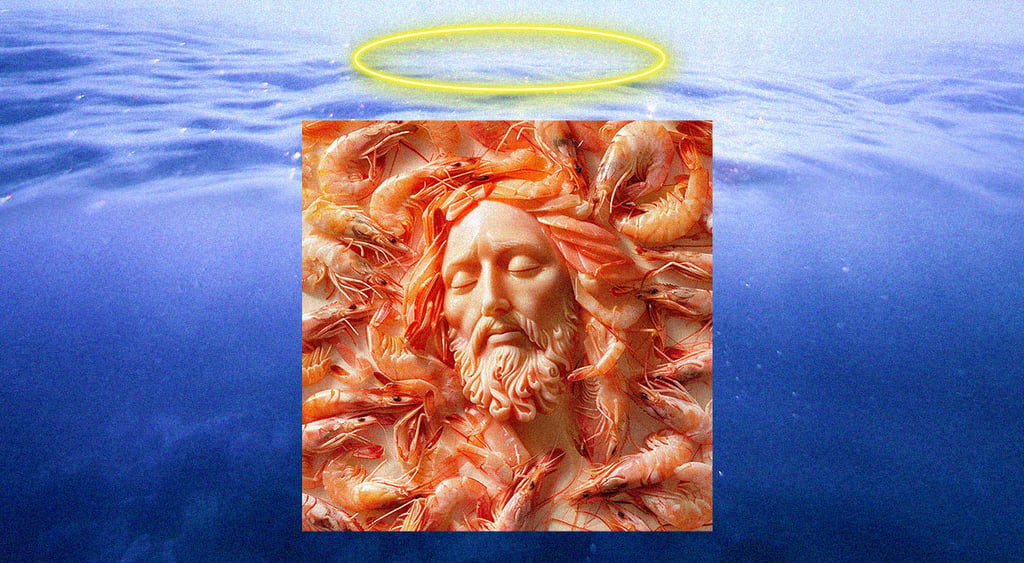
Soon, though, the social network began serving up goodies for its business customers. We now see loads of ads, sponsored content, and shrimp Jesuses. Yup, Facebook’s been enshittified and turned into a money-making zombie.
TikTok, Amazon, Apple – all of them follow a simple formula. They first lure users onto their platforms, then attract businesses who might profit from this newly formed public, and then finally squeeze both for their own profit.
Doctorow reminds the reader of all those deeds the tech giants would rather bury amongst all that AI craze (and AI-generated slop).
Google, for example, once believed in its own slogan “Don’t be evil,” but then, as court records show, decided to make its search results worse so that users would keep searching and thus be exposed to more ads.
Amazon allows merchants to buy priority positions in search results, so users don’t necessarily find the decently priced product they’d actually buy. It also drives smaller rivals out of business by undercutting their own prices – anyone remember Diapers.com?
If we listen to the words of the late Steve Jobs and his successor Tim Cook, Apple’s ecosystem is a nice walled Garden of Eden. But it’s a prison: as an iPhone user, you’re legally prohibited from having your device repaired at the local fix-it shop. You can’t move your Apple Music or Apple Books elsewhere.
The list goes on. In a way, that’s just capitalism – firms want to maximize profits by any means necessary. But to Doctorow, that’s precisely the problem: there’s just too much power in too few hands.
Too big to fail, too big to care
In mid-October, Amazon Web Services (AWS), Amazon’s cloud computing platform, crashed the web for a few hours. It wasn’t the first time, and it’s probably not going to be the last.
But does Amazon care? No, it doesn’t because where else will those customers go? Most have already chosen between AWS, Microsoft Azure, and Google Cloud Platform anyway.
They’re behaving this way – jacking up prices, diminishing the quality of their services, hoovering up our data, and firing suddenly expendable workers left and right – because they can.
Amazon even announced plans to lay off another 30,000 employees. Yes, hundreds of thousands of tech workers have lost their once-coveted jobs over the last few years because AI is coming to replace them, and the big tech overlords are welcoming white-collar automation with open arms.
Again, they’re behaving this way – jacking up prices, diminishing the quality of their services, hoovering up our data, and firing suddenly expendable workers left and right – because they can. And they can because we haven’t been watching.
“Once a company is too big to fail, it becomes too big to jail, and then it becomes too big to care,” says Doctorow.
It’s on us (and the shameful lobbyists, to be fair). If we, as users, want to be treated decently, it’s up to us – and our elected representatives – to enforce some limits through public regulation.
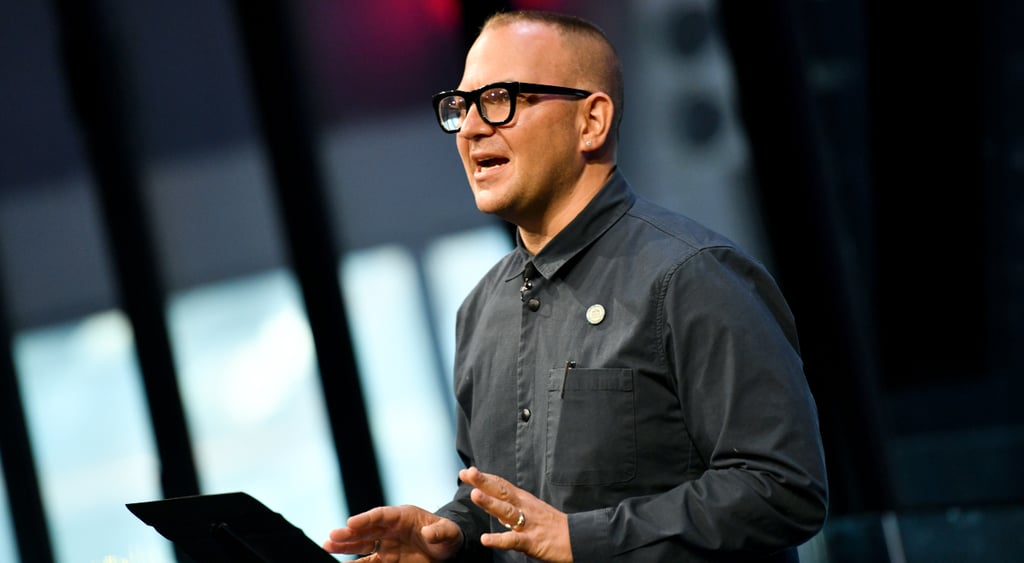
Unfortunately, for decades now, antitrust and regulation efforts have been tepid, to say the least. Enshittifying monopolies dominate unimpeded, supported by rigged legal regimes and lies – and now, when, at least in the US, the extreme right-wing techies are taking over, it’s looking especially dire.
Doctorow is especially sharp when he explains the current state of play is not even a product of capitalism in a classic sense.
The money that big tech giants are making is not profit but rent, he says. Profit is indeed what you get from selling a product or service for more than it costs to create, while rent is what you get from the mere act of owning something – like an online platform.
And, of course, the rentiers win out over true capitalists when “the government steps in to defend people who own things from people who do things.”
Most books wax lyrical about how a network chat is a limp substitute for live interactions over coffee and how we need to go out and touch grass more often.
True, copyright law experts might disagree, but Doctorow is adamant these regulations have been radically and purposefully reinterpreted so that true creators now have few chances to succeed.
All’s well that ends well: but will it?
Now, for some good news. It doesn’t have to be that way. Sure, most books wax lyrical about how a network chat is a limp substitute for live interactions over coffee and how we need to go out and touch grass more often. Off-grid is the way out, they preach.
But Doctorow is right in pointing us to a more common-sense direction – because, of course, the web can be amazing. It’d be smarter to just want a better internet – to tame the brutes of Silicon Valley by way of regulation, spicier antitrust, and civic action – and say so loudly.
Alas, the “enshittification” process is already stopping, Doctorow proclaims. It’s a brave insight, and I guess he’s a glass-half-full kind of guy.
Of course, if you’re a pessimist, let’s just buckle up, but the author does provide some solutions that might work.
Ensured interoperability might revitalize competitiveness, for example, and stronger labor movements would probably stop giant corporations pretending to be – in the words of Beth Galetti, SVP of People Experience and Technology at Amazon – “the world’s largest startups” where things like laws don’t really matter.
In his farewell address early this year, former US President Joe Biden warned Americans that a “tech-fuelled oligarchy” might destroy democracy in the country. This might be happening already as America’s Zuckerbergs and Bezoses have bent their knees to Trump.
But to Doctorow (who praises Biden’s administration in his book), the people are the answer, and he even sees glimmers of hope in the MAGA crowd, increasingly anxious about how technology and (anti)social media work.
“People in the United States and all over the world have figured out that there is something rotten going on with corporate power. A genuine, spontaneous groundswell of popular rage at the enshittification of everything is all around us,” writes Doctorow.
And laws are important. They induce fear. As the book explains, “it may be true that the law can’t force corporate sociopaths to conceive of you as a human being entitled to dignity and fair treatment,” but it can make that exec fear you enough to treat you fairly.
Afterall, Martin Luther King Jr. once said: “It may be true that the law cannot make a man love me, but it can stop him from lynching me, and I think that’s pretty important, also.”
Unlock more exclusive Cybernews content on YouTube.