Russian spy tracked down using her cat’s microchip number
A cat’s microchip, necessary for the animal to travel, helped investigators track down its owner – an undercover Russian spy living in Italy who was trying to infiltrate NATO circles.
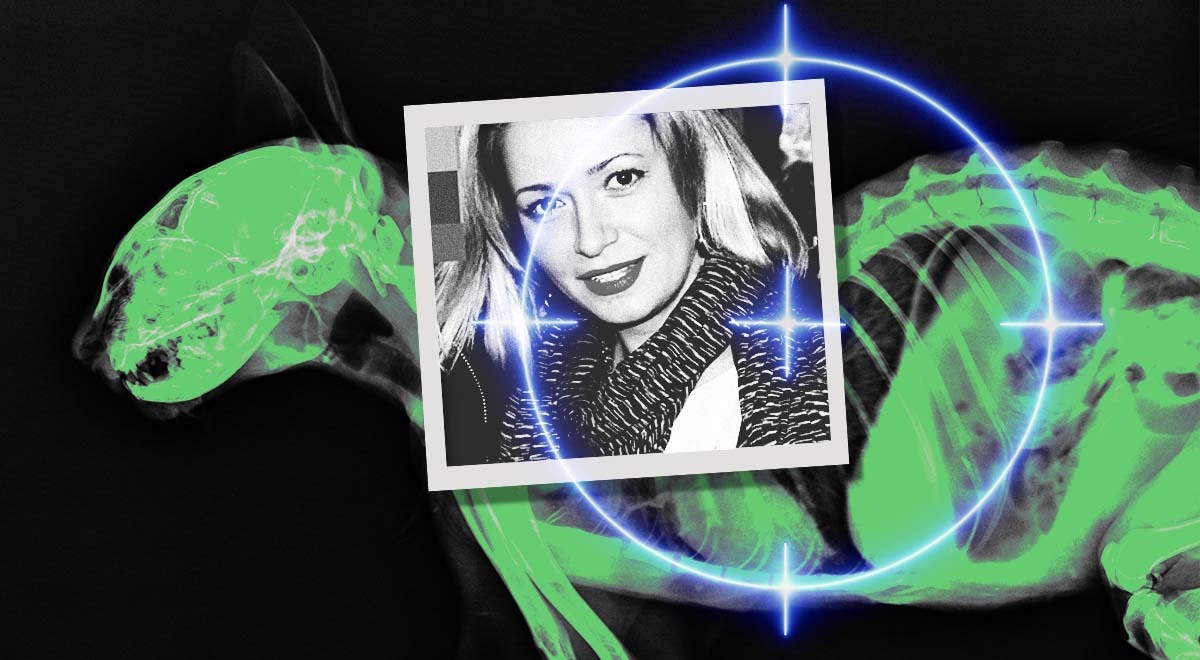
Image by Cybernews.

 Follow us
A cat’s microchip, necessary for the animal to travel, helped investigators track down its owner – an undercover Russian spy living in Italy who was trying to infiltrate NATO circles.
The Russian agent, who went by Maria Adela Kuhfeldt Rivera, had lived in Italy for more than a decade, disguised as a Peruvian jewelry maker.
The undercover agent befriended the wives of NATO generals and initiated a few romantic relationships with individuals close to the Alliance’s headquarters in Naples, thereby gaining access to the bloc’s secrets.






When investigative journalist and author Christo Grozev and his team broke the story of her existence, the spy vanished from Italy.





Investigators tried to identify the real person behind the Peruvian lady for months without success.
“The only thing I could find that connected the fake Italy-based Peruvian lady to the person who lived in Russia after she was repatriated was her cat. All her friends who knew her in Italy told me about her love for her cat Luisa,” Grozev said in a video, giving a sneak peek into an upcoming investigation.
Every cat must have an ISO-compliant 15-digit microchip to travel across the European Union (EU), so the journalists found the number of Luisa.
When they searched for the number in leaked Russian databases, they found a cat with the same microchip registered at a veterinary clinic.
The clinic’s group on VKontakte, a Russian social media network, was liked and befriended by a woman named Olga Kolobova, who had a cat – the same Luisa – on her profile picture.
Kolobova is one of many Russian sleeping agents, formerly known as illegals, who blend into societies by assuming false identities, engaging in low-risk espionage for long periods.
While living seemingly ordinary lives, they work to establish connections with influential people from politics, academia, and the military.
Even their family members may not know their real identities. For example, children of Artem Dultsev and Anna Dultseva, who lived in Slovenia posing as Argentines, only learned they were Russians when they were on a plane to Moscow following the prisoner swap in 2024.
The sleeping spies are highly valuable assets to the Kremlin, especially after a substantial part of its spy network in Europe was dismantled in 2022, when Russia launched its invasion of neighboring Ukraine.
Unlock more exclusive Cybernews content on YouTube.