Underwater AI data center sparks fury over endangered whales
Maine residents push back against underwater AI.
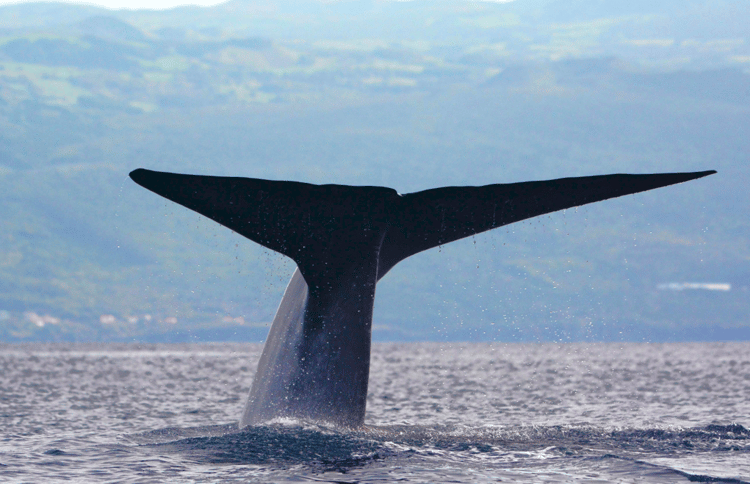
A whale in the ocean. Romana Kontowiczova via Shutterstock.

 Follow us
- DeepGreen Western Passage wants to study a tidal-powered underwater AI data center near Eastport, Maine.
- The proposal includes 34 underwater cooling pods, turbine generators, and subsea power cables.
- Residents fear the project could harm whales, fishing, tourism, lobster stocks, and other marine life.
- Supporters say seawater cooling could reduce heat and avoid freshwater cooling, while the site generates its own electricity.
Key Takeaways by nexos.ai, reviewed by Cybernews staff.
DeepGreen Western Passage has applied to the Federal Energy Regulatory Commission (FERC) for a preliminary permit to study a tidal-powered underwater data center in Western Passage, near Eastport, Maine.
Not everyone in Eastport is happy about it. Residents showed up to protest the plan, worried about what it could mean for fishing, tourism, lobster stocks, and local marine life, Maine Public reported.
Supporters, however, cite the fact that the surrounding seawater will be able to reduce the heat from servers, and lessen the need for freshwater cooling systems.
The Maine proposal includes equipment such as 34 underwater cooling pods, a series of turbine generators and subsea power cables. Additionally, the facility wouldn’t need to connect to the power grid as it would be self-generating in terms of electricity.





The wider debate is about the infrastructure needed to power AI, with developers exploring underwater facilities as a way to address the cooling and electricity demands of conventional data centers.
Why are people worried about underwater data centers?
Putting a data center underwater might help tech companies cool their servers, but industrial equipment on the seabed raises questions about what happens to the sea life that resides there.
Running the turbines and pumps could create so much noise that interferes with whales, which rely on sound to communicate, find food and navigate.
Maine's residents worry that this could also affect marine life and the waters that support fishing and lobster industries.



Stay updated with our latest stories and follow us on social media
Be the first to discover new stories, ideas, and updates from our team.
Endangered whales, in particular, make the location particularly sensitive, but the population figures are difficult to correlate with speculated infrastructure plans.
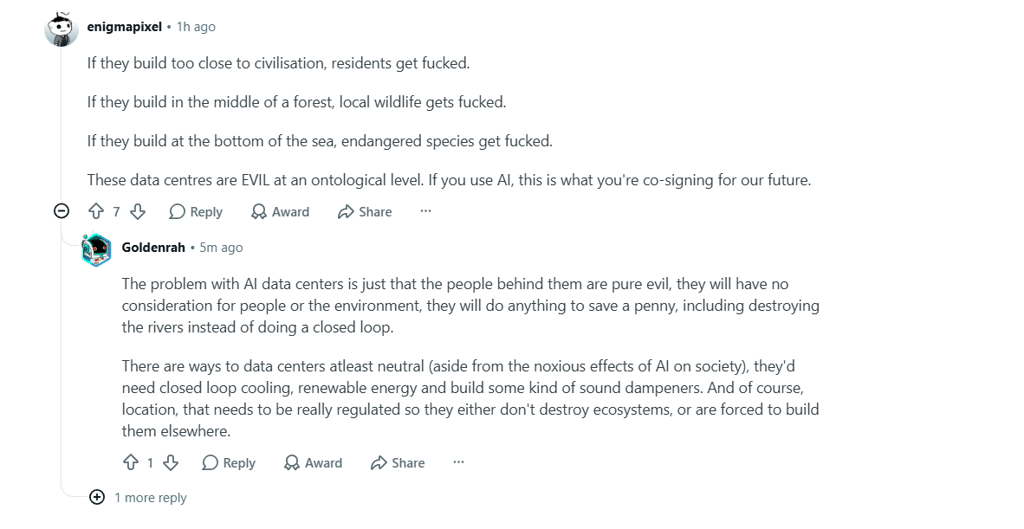
Though design plans and potential environmental impact are speculative at this stage, the condemnation on Reddit was palpable.
One Redditor listed different locations to be troublesome,whether data centers are built in an urban area, forest or in the ocean.
Another replier backed them up, claiming it would be a tall order to get the equipment just right, in an awkward balancing act against the oceanic ecosystem.
Another Redditor brought up a recent example of a Google controversy, in which hundreds of thousands of trees were cut down in a Finnish forest to make way for a data center. This saw wolves bear down on the local villages, disrupting the local ecosystem.
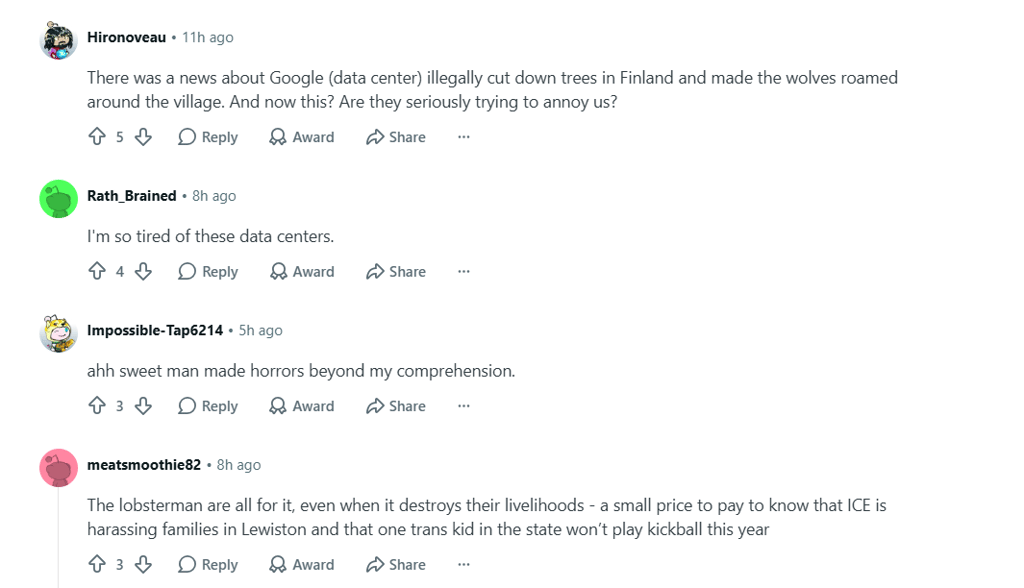
Other posters concurred, showing their dismay. One called out the rich “lobstermen” who act as proponents, despite the environmental uncertainty.