Dutch privacy regulator warns municipalities are struggling to control public camera surveillance
The Dutch privacy and data protection authority (DPA) claims that many municipalities in the Netherlands attempt to comply with privacy rules and regulations for camera surveillance, but fail miserably.
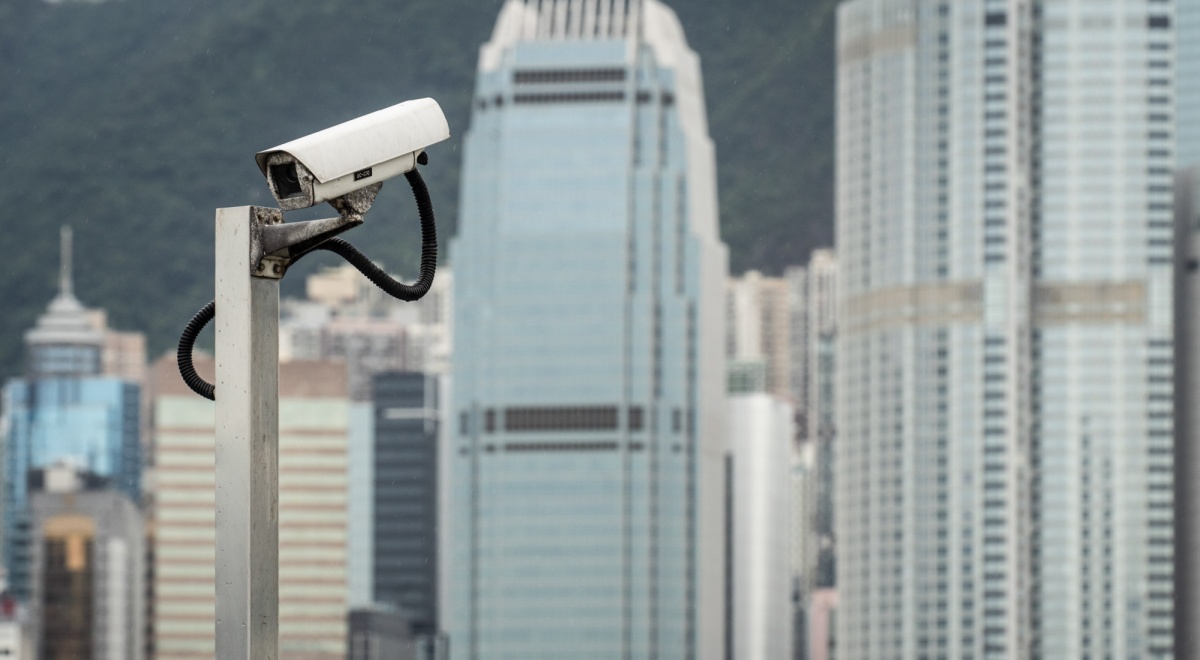
The CCTV camera monitor is set in Hong Kong. Chan Long Hei/SOPA Images/LightRocket/Getty.

 Follow us
The Dutch privacy and data protection authority (DPA) claims that many municipalities in the Netherlands attempt to comply with privacy rules and regulations for camera surveillance, but fail miserably.
- The Dutch data protection authority says many municipalities struggle to properly apply privacy rules for camera surveillance in public spaces.
- The regulator warns that widespread use of surveillance cameras risks conflicting with citizens’ fundamental rights.
- Officials say cities often fail to clearly define how long cameras are used and why they are necessary.
- The authority urges stricter limits and better oversight to ensure surveillance remains proportionate and justified.
According to the privacy supervisor, camera surveillance in public spaces by municipalities has taken off significantly in recent years.
“It is important to realize that video surveillance will always conflict with people’s fundamental rights. This does not necessarily have to lead to problems, but the law does establish rules governing the government’s use of cameras in public spaces to ensure that citizens’ fundamental rights are properly protected,” the regulator says in a policy document.
In practice, however, it appears that many municipalities are struggling to find a balance between protecting residents’ privacy on the one hand and the purpose of camera surveillance on the other hand.





This is concerning because ultimately it comes down to whether people can still move about freely in public without being constantly watched, the DPA argues.
However, members of the city council have the means to scrutinize aldermen about camera surveillance in their city. They can interrogate them about the purpose of the camera surveillance, whether it’s truly necessary, what impact it will most likely have on its citizens, how residents are informed about its use, and when it will stop.






The regulator recommends that the infringement on citizens’ privacy must be limited as much as possible. For example, municipalities must clearly specify where camera surveillance will take place and for how long the temporary surveillance will last.
“The longer the surveillance lasts, the more difficult it will be to properly substantiate that the surveillance is still necessary and why the intrusion into the privacy of those involved is still justified,” the regulator states.
The Dutch DPA isn’t the only privacy supervisor to comment on camera surveillance in the public domain. In January 2026, the CNIL, France’s privacy and data protection authority, issued a warning that cameras at tourist attractions most likely violate European privacy laws.
This is because municipalities are only allowed to film public roads and spaces under strict conditions, such as to ensure public safety or protect public property. But most municipalities claim they have a legitimate interest in filming tourist hotspots.
However, municipalities can’t rely on legitimate interest as a legal basis, since personal data is collected and processed online.
“To be able to retain legitimate interest as a legal basis, the processing must not cause disproportionate harm to the rights and interests of individuals whose data is processed, taking into account their reasonable expectations. It is necessary to realize a ‘balancing’ of the rights and interests of each person concerning the concrete conditions of its implementation,” the CNIL warned.
Unlock more exclusive Cybernews content on YouTube.