EU plans bloc-wide restrictions on Instagram, TikTok, and Facebook access for kids
Ursula von der Leyen wants changes before algorithms “shape” Europe’s teens
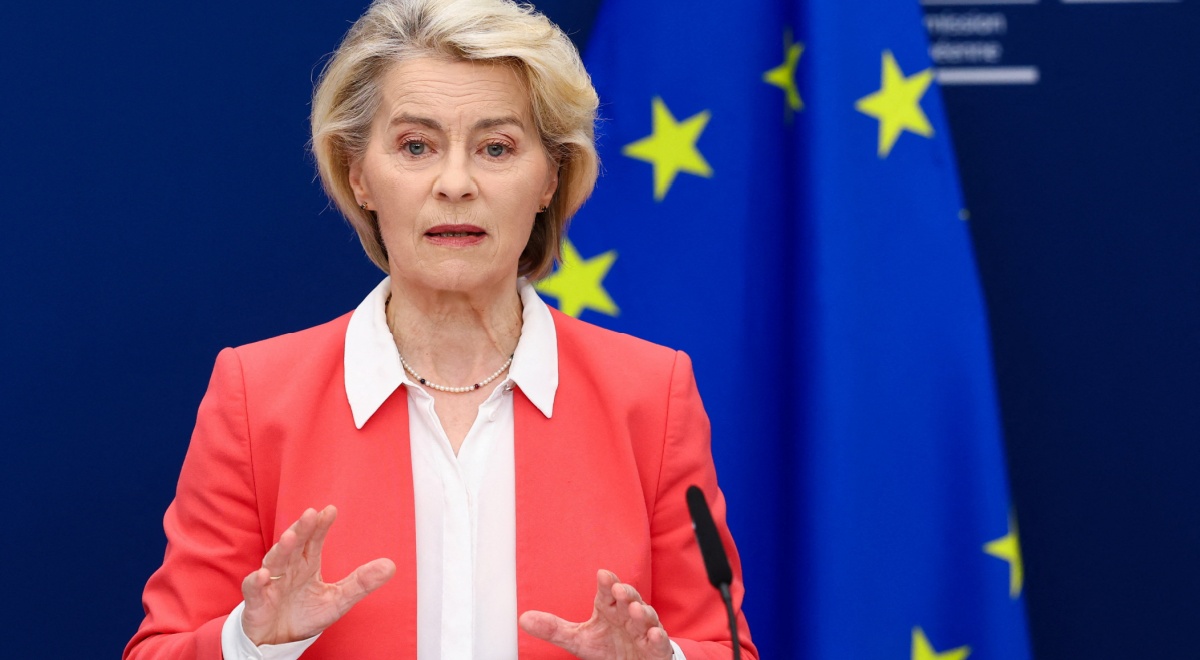
European Commission President Ursula von der Leyen. REUTERS/Yves Herman

 Follow us
- Von der Leyen announced bloc-wide legislation to limit children's social media access, potentially forcing holdout countries to abandon their deliberate approach.
- The Commission President reframed the issue: kids need time to "shape their own identity" before algorithms do it for them.
- While some countries rushed ahead with national laws, others like Ireland and Denmark waited for EU-wide rules they believed would be easier to enforce on platforms.
Key Takeaways by nexos.ai, reviewed by Cybernews staff.
The European Commission will present a proposal to limit children's access to social media platforms after the summer, Commission President Ursula von der Leyen said on Monday. The move could potentially force holdout countries to finally take action.
"Our children need time in the real world. Time to play, time to build friendships, time to make mistakes. Time to shape their own identity, their own personality, before an algorithm shapes them instead," von der Leyen told reporters in Brussels.
"This is not about whether children can access social media. It is about whether and when social media can access our children."



Could this mean a new wave of social media bans across Europe?
Countries across Europe have followed Australia's lead, which became the first to ban social media for under-16-year-olds in December, 2025.
Greece, Austria, Poland, Lithuania, Slovenia, the United Kingdom, and others have introduced changes to their national legislation regarding the age at which people can use social media.



Stay updated with our latest stories and follow us on social media
Be the first to discover new stories, ideas, and updates from our team.
However, other countries, such as Ireland, haven’t yet decided whether to ride the wave of the social media ban for teenagers. For example, back in June, Ireland confirmed it would prefer to follow a European Union-wide approach to any social media ban rather than make its own rules.
At the time, the Irish government was quoted as believing an EU-wide approach would be more effective as regulators could supervise and enforce the new rules more straightforwardly on social media platforms.
Other countries have also had a similar approach. Denmark, for example, is one EU member that has begun developing its own rules on who can access social media, yet has also raised the question of whether an EU-wide approach would be more appropriate.
