French people willing to pay to access online services and content without targeted advertising, survey says
People from France don’t mind paying a monthly fee to see, hear, or read their favorite online content while protecting their personal data.

Image by Cybernews.

 Follow us
People from France don’t mind paying a monthly fee to see, hear, or read their favorite online content while protecting their personal data.
A survey carried out by the Harris Interactive polling institute shows that, depending on the service, French people who are 15 years and older are willing to have a paid subscription to avoid tracking cookies or to have to commit to a “consent or pay” business model.
According to the study, more than half of French people (56%) already have a paid subscription plan to one or more video-on-demand services, like Netflix, Disney+, or YouTube. For audio services like Spotify, this is a quarter (27%), and for video game services like Steam, 18%.
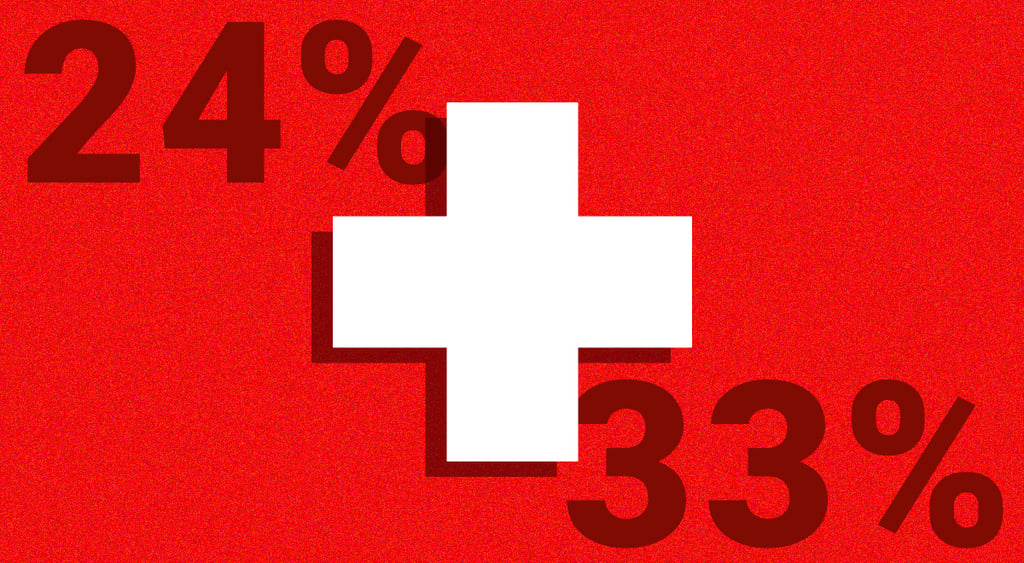
Between 24% and 33% of those surveyed say they pay or are willing to pay for health and fitness monitoring services, generative AI, online press, and social networks. The amount they’re willing to pay varies from €5.50 to €9. A quarter of all people claim they’re willing to pay €6 per month to access social networks without targeted advertising.






The Commission Nationale de l’Informatique et des Libertés (CNIL), France’s data protection authority (DPA), claims this constitutes a major change – people are actually interested in paid offers allowing them to better protect their personal data.
“These financing methods – subscription or ‘consent or pay’ models – have long remained marginal for services such as the press, social networks, or even online video games, which were rather financed, sometimes even exclusively, by targeted advertising,” the DPA said in a statement.
“The appearance of these new economic models has thus further highlighted the fact that services presenting themselves as free were in reality based on another form of remuneration, derived from the exploitation of users' personal data, sometimes in a very intrusive manner for their private life,” the privacy regulator continued.






Max Schrems, Chairman of Austrian privacy advocacy group noyb, took a swing at websites using the “consent or pay” model. Back in August, he claimed that this business model leads to “North Korean consent rates” of 99.9% of all users agreeing to online tracking, while only 0.16% to 7% actually want to be tracked for online advertisements if asked openly.
“This gap of more than 90% makes it painfully clear that ‘Pay or Okay’ does not allow for ‘freely given’ consent. In reality, the real reason to implement such a system is to increase the consent rate far beyond any realistic ‘genuine or free choice’ of users,” Schrems argued.
Unlock more exclusive Cybernews content on YouTube.