ICE wants to “research” a data-driven market for “investigations activities”
The agency notes that it isn’t seeking collaboration opportunities but rather insights into the advertising industry.

Image by Cybernews

 Follow us
The agency notes that it isn’t seeking collaboration opportunities but rather insights into the advertising industry.
Immigration and Customs Enforcement (ICE) has been eyeing tools used by the advertising technology (ad tech) industry to aid its investigations.
Such tools are known to provide location data and support large-scale analytics.
ICE’s Homeland Security Investigations (HSI) issued a Request for Information (RFI) on January 23rd, 2026.
The document states that “this RFI is solely for market research, planning, and information gathering purposes and is not to be construed as a commitment by the Government to issue a subsequent solicitation.”




This means that the organization isn’t putting a proposal or looking for companies to contract, but is seeking to obtain information and feedback about the market.






Why ICE needs data from ad-driven companies?
By “selecting several respondents to this RFI to present a live demonstration of their operational capabilities, platforms, and data services,” ICE will attempt to understand how such data providers and ad tech companies could help support their investigations while taking into account “regulatory constraints and privacy expectations.”
In a broad sense, ad tech refers to the tools and systems used by advertisers and publishers to manage and optimize digital advertising campaigns.
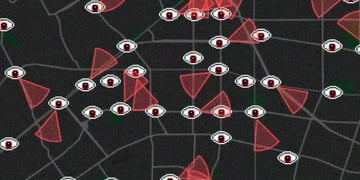
Ad tech companies collect data on devices’ locations, which is considered an especially valuable piece of data, as well as the installed apps, and how devices are linked across apps, networks, and websites, notes Biometric Update.
Such data is then collected, analyzed, and sold for advertising, research, and analysis purposes.
Considering this, ICE is investigating whether the practices used by these companies could be adopted by the agency, which would provide it with vast amounts of data without having to collect it itself.
In the document, the organization notes that it already works with “increasing volumes of criminal, civil, and regulatory, administrative documentation from numerous internal and external sources,” so understanding how the ad tech market operates could help this government institution with its own investigations.
Companies were invited to provide their response until February 2nd, 2026.
Tech use amid ICE resistance
ICE has faced significant backlash, leading the agency to expand its surveillance capabilities.
Following active ICE arrests and protests, amid which one of the ICE officers, Jonathan Ross, shot an activist, Renee Good, it’s been reported that the agency has been expanding its surveillance tools, which include phones, biometrics, social media, and location tracking.
Those opposed to ICE actions responded by creating apps such as ICEBlock, which can notify users if an ICE officer is nearby. Despite its popularity, this and similar apps have been removed from the App Store.
Recently, an activist website, ICE List, that threatened to expose information on approximately 4,500 ICE and Border Patrol workers, has been under cyberattack, which blocked the website from releasing this data.
Unlock more exclusive Cybernews content on YouTube.