Is the UK really considering a VPN ban after its social media crackdown?
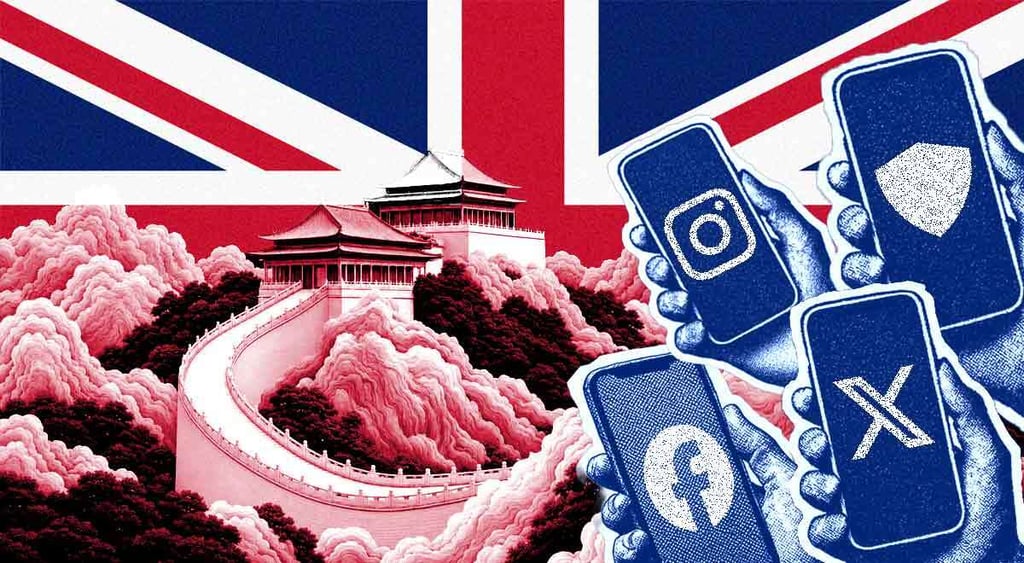
Speculation is mounting that the UK government could move to restrict or ban virtual private networks (VPNs) as part of its efforts to enforce a social media ban for under-16s. However, the idea of a “Great British Firewall” may be little more than clickbait.

Image by Cybernews.

 Follow us
Speculation is mounting that the UK government could move to restrict or ban virtual private networks (VPNs) as part of its efforts to enforce a social media ban for under-16s. However, the idea of a “Great British Firewall” may be little more than clickbait.
- The UK government has sparked concern about possible VPN restrictions after comments linking them to enforcement of a new social media ban for under-16s.
- A total VPN ban appears unlikely – only authoritarian states such as North Korea, Belarus, and Iraq have gone that far, and the UK is more likely to push responsibility onto platforms.
- Further details set to be announced by UK in July. Australia's approach, where VPNs remain legal but platforms must take "reasonable steps" to detect and block their use for bypassing age limits, offers a potential blueprint.
Key Takeaways by nexos.ai, reviewed by Cybernews staff.
After a minister was interviewed by the BBC on Tuesday, there has been concern that the UK government is considering a ban on virtual private networks as part of a string of measures to ensure that the social media ban for under-16s announced on Monday was effective.






Speaking to the public broadcaster on a breakfast time slot, technology Secretary Liz Kendall hinted that further restrictions could be introduced on VPNs as well as on AI chatbots and measures to prevent 16 and 17-year-olds from “doom scrolling” in their bedrooms overnight.




While the minister didn’t say the government would ban VPNs outright, she told the BBC she would “come back in July with a further statement about VPNs.”
VPNs and the UK social media ban
The news follows Monday’s announcement by Prime Minister Keir Starmer that the UK is raising the social media age limit from 13 to 16, with the first regulations due to come into effect in Spring 2027.
VPNs have come under fire because they're one of the ways children could bypass the proposed restrictions – something even critics of the social ban, including Telegram’s CEO Pavel Durov, have pointed out.
While VPNs have many legitimate uses – from obscuring location for security reasons to unlocking content not available in certain territories – it’s the fact that they can bypass age restrictions that has placed them in the internet safety lobby’s firing line.
Children's minister Josh MacAlister and the UK’s Children's Commissioner Dame Rachel de Souza have both called for age checks on VPNs – yet in doing so, VPN firms would have to collect user data to carry out checks, which, for many privacy-focused individuals, defeats the point of using one.
VPNs are still legal in Australia
While there’s been much speculation that the UK is set to ban VPNs, it would be surprising if the country banned them completely, as is the case in North Korea, Belarus, and Iraq, with Russia slowly but surely edging towards a complete ban.
It’s more likely that the onus will be placed on social media companies to identify many known (commercial) VPN servers and data center IP addresses.
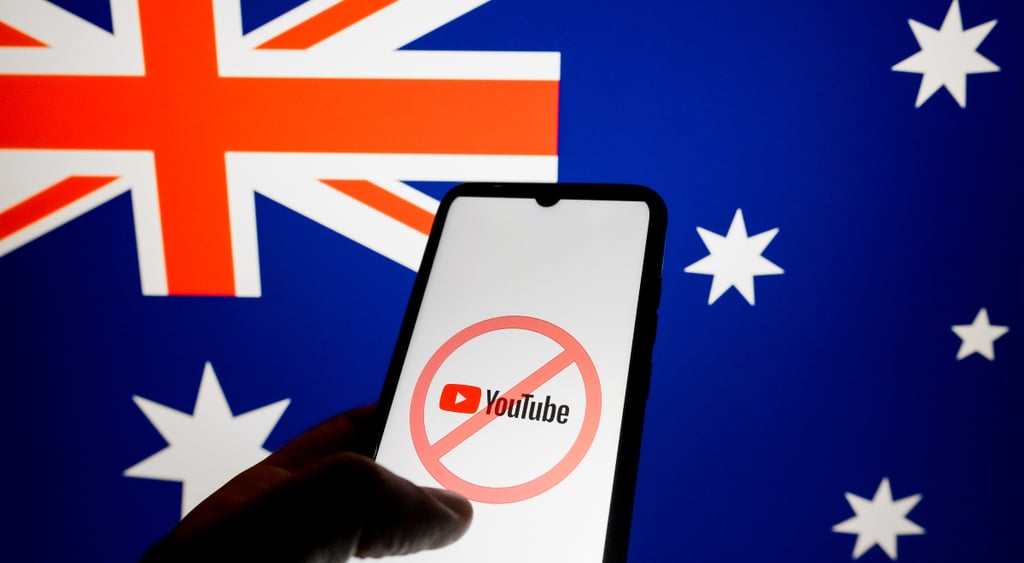
This is currently the case in Australia, which has not moved to ban VPNs despite age gating social media in December.
Instead, the government requires platforms to take "reasonable steps" to enforce age restrictions and has indicated that detecting VPN use should form part of those efforts.
Platforms can also analyze account behavior, device information, and login patterns. Even if a user changes their location with a VPN, other signals may still reveal their actual age or location.

Check if your data was exposed
Find out if your email and related personal information have appeared in known data breaches.
No technical solution is perfect – there are always workarounds, and a determined teenager can find ways around VPN blocks – but the UK government might argue that this added friction could make it less tempting for the majority of youngsters to use them.
And they may also be less inclined to do so: after all, a social network is not that social if none of your friends are there when you log on.
Unlock more exclusive Cybernews content on YouTube.