Should she pay more than he just did? Why a $3 pair of Walmart shoes has reignited consumer fears of surveillance pricing
A $3 pair of children's shoes from Walmart has sparked viral outrage, thrusting the shadowy practice of AI-driven surveillance pricing – where retailers use hidden personal data to charge different customers different amounts – into the spotlight.
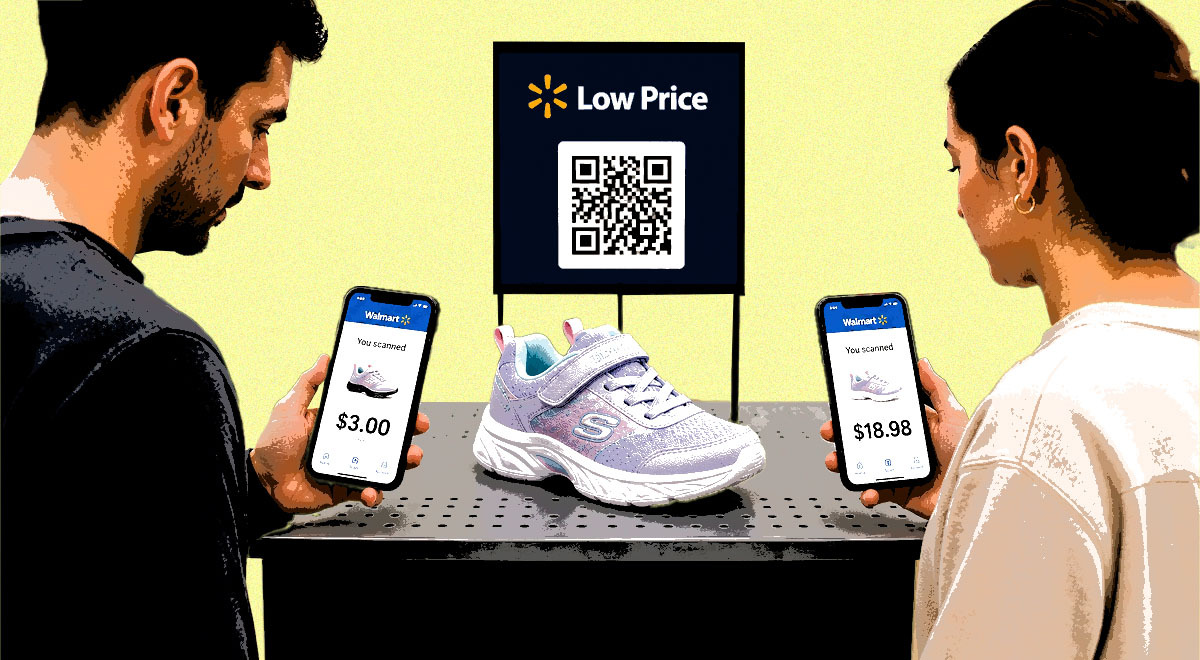
Image by Cybernews

 Follow us
A $3 pair of children's shoes from Walmart sparked viral outrage, thrusting the shadowy practice of AI-driven surveillance pricing – where retailers use hidden personal data to charge different customers different amounts – into the spotlight.
- A viral TikTok sparked "shoegate" – A shopper's discovery that a $3 pair of Walmart shoes jumped to $18.98 at checkout has ignited widespread fears that major retailers are secretly manipulating prices in real-time.
- It's "personalization with a cash register attached" – Unlike standard dynamic pricing, AI-powered surveillance pricing uses your hidden personal data, loyalty apps, and digital shelf labels to charge you a customized price based on what an algorithm thinks you are willing to pay.
- Autopilot shoppers are the biggest targets – Experts warn the technology preys on rushed, vulnerable, or brand-loyal shoppers who don't have time to compare prices, sparking a massive erosion of consumer trust and a push for new state-level bans.
Key Takeaways by nexos.ai, reviewed by Cybernews staff.
The shoes were initially spotted by a bargain-hunting TikToker who saw how the price appeared to change several times while she was still in the store, and documented the experience on her blog @LifeAccordingTokP.






When the frugal mom first scanned the shoe label, they were $3, but by the time she reached the checkout, they were ringing up at $18.98, with different prices appearing depending on where in the store she scanned the item.





While Walmart has not confirmed the incident, it was reported in March that the retail giant had secured two AI pricing patents designed to predict what shoppers will buy and recommend a price based on that.
Even if we give Walmart the benefit of doubt – “shoegate” may have been caused by inventory errors – it illustrates a growing anxiety and consumer mistrust over AI-driven retail.
New research published on Tuesday by the United Food and Commercial Workers (UFCW) International Union found that almost 70% of Americans are now worried that surveillance pricing will increase the cost of goods.
This fear is understandable, given that grocery prices in the US – and elsewhere – are at an all time high.
What is surveillance pricing?
Surveillance pricing (or algorithmic personalized pricing) is when companies use personal data to estimate how much a person is willing to pay, and adjust prices accordingly.
That means two people can see different prices for the exact same product, based on hidden data about them rather than standard market pricing.
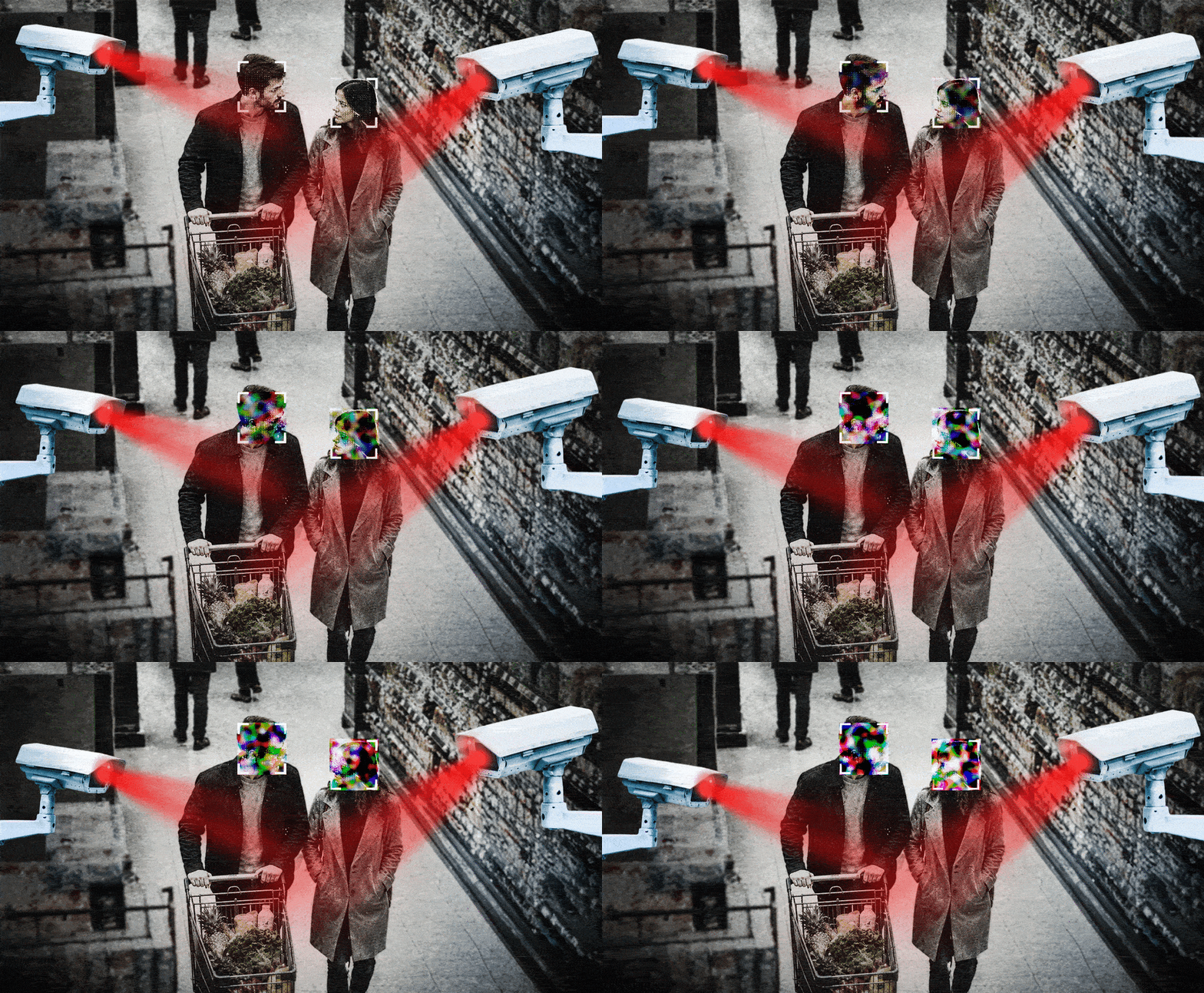
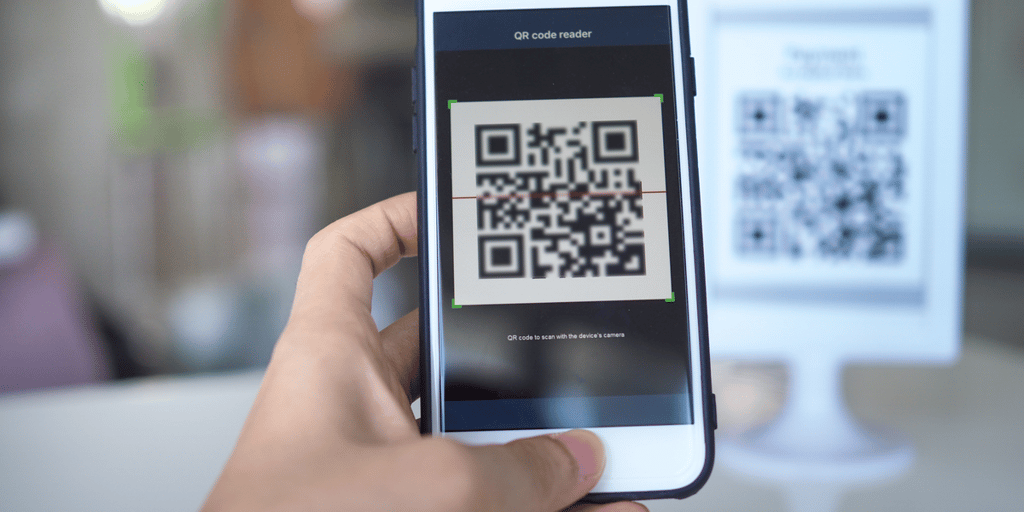
It’s possible to do this in physical stores with loyalty app data, cameras, QR codes, and electronic shelf labels that update wirelessly in real time.
The practice is similar to, but not to be confused with dynamic pricing – the kind used by airlines, hotels, and rideshare companies.
Dynamic pricing adjusts based on conditions such as whether something is in demand, the time of day, or weather. Crucially, it applies the same algorithm to every customer equally.
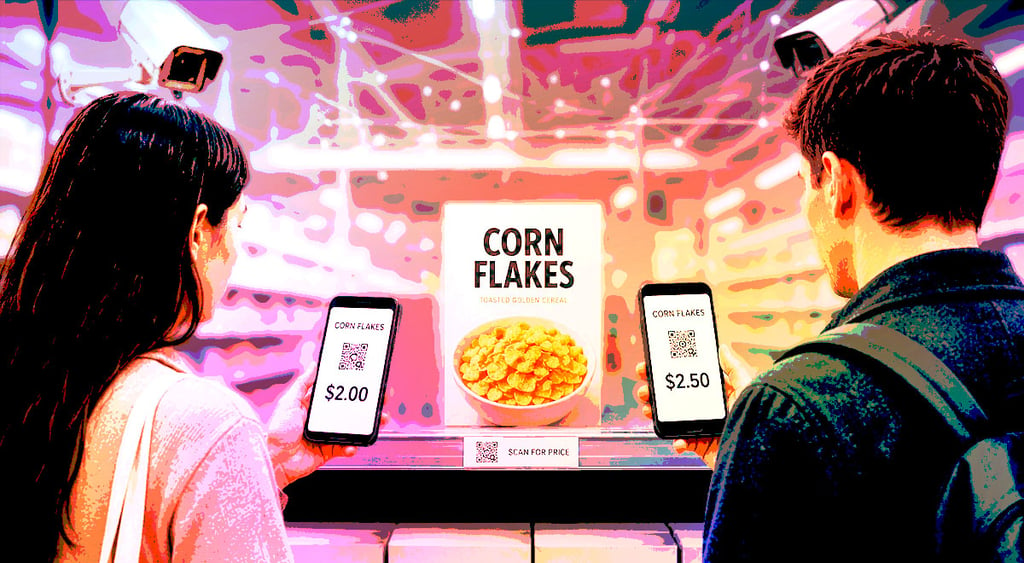
“Dynamic pricing reacts to the market. Surveillance pricing reacts to you – it’s personalization with a cash register attached,” explains Mark Norman Vena, CEO and principal analyst at SmartTech Research.
“It can be used when a retailer thinks you are ready to buy or less likely to compare prices. The goal is to squeeze the margin without scaring you off,” he adds.
Same tech, supersized by AI
The technologies behind surveillance pricing aren’t new, with many currently used for store inventory purposes or traditional customer personalization and loyalty programs.
But this blend of digital and in-store tech has now been supercharged with AI to create a perfect storm of surveillance retail data that consumer watchdogs warn could be used to increase retailer margins at the expense of vulnerable customers. The use of AI to personalize prices is also why surveillance pricing is also often referred to as "AI pricing" or "algorithmic pricing."
“It’s old wine in a new bottle, made more sophisticated by AI’s ability for finer and more sophisticated tracking,” says Subimal Chatterjee, a professor from School of Management at Binghamton University.
“This is trying to achieve what was once thought as impossible, that is, mass customization or the customer segments of one customer,” he adds.
Which companies use surveillance pricing?
Because the practice appears opaque by design, most documented examples of retailers or their intermediaries using surveillance pricing hit the headlines thanks to lawsuits or investigations.
Walmart is the most talked about because of its aggressive roll out of digital shelf labels across thousands of stores, which critics say is creating the exact conditions needed for surveillance pricing.

Last year, online delivery platform Instacart was accused of surveillance price practices after a Consumer Reports and Groundwork Collaborative investigation found the same items were priced differently for different customers – with some paying almost a quarter extra.
Those pricing “experiments” were observed across listings from multiple partner retailers on the platform including Costco, Kroger, and Target.
A year earlier, Kroger faced scrutiny over concerns that retail tech in its stores could identify shoppers by factors like age, gender, purchase history, or neighborhood wealth and then tailor discounts – or potentially charge different prices to different customers.
Discrimination concerns
According to Shampaigne Graves, a Dallas-based women's consumer researcher, the most likely people that surveillance pricing is set to discriminate against are those with the least time to spot it.
“Women are the primary household shoppers in the US. They're making repeat purchases on autopilot through loyalty apps, grocery pickup orders, and saved shopping carts.
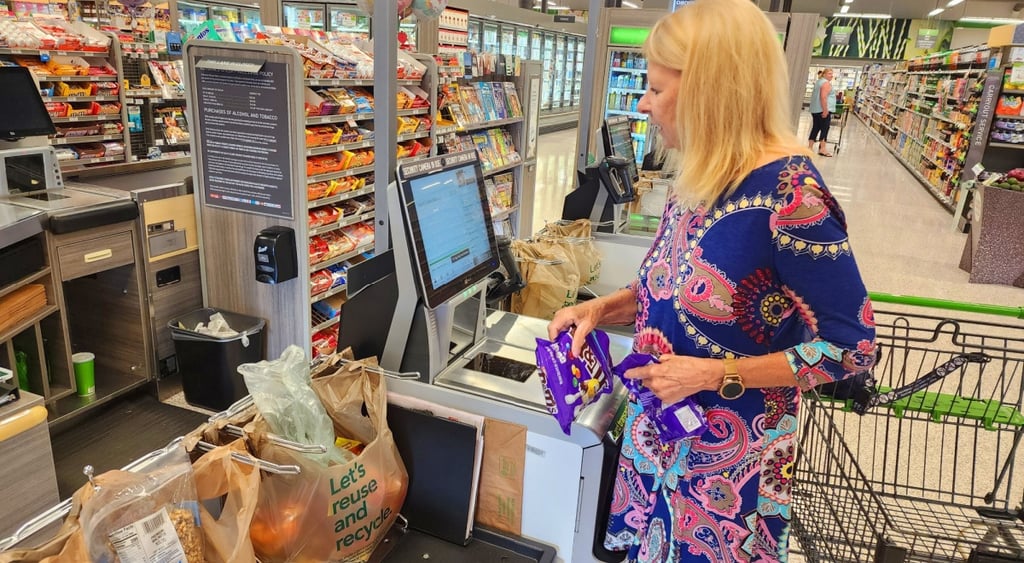
“Every one of those touchpoints is generating data that can be used to adjust what she pays,” Graves explains.
“Her buying patterns, her purchase frequency, her willingness to reorder without price comparison are all signals that tell a retailer how much she's willing to absorb. That's not a glitch. That's the model working as designed,” she adds.
“I’m just trying to make it to a funeral”
Retail experts say that surveillance pricing is more likely to be used on potentially vulnerable “high urgency” shoppers and those with last-minute needs.
This became the focus of a recent JetBlue lawsuit – which also shows how the lines between “dynamic pricing” and “surveillance pricing” are starting to blur.
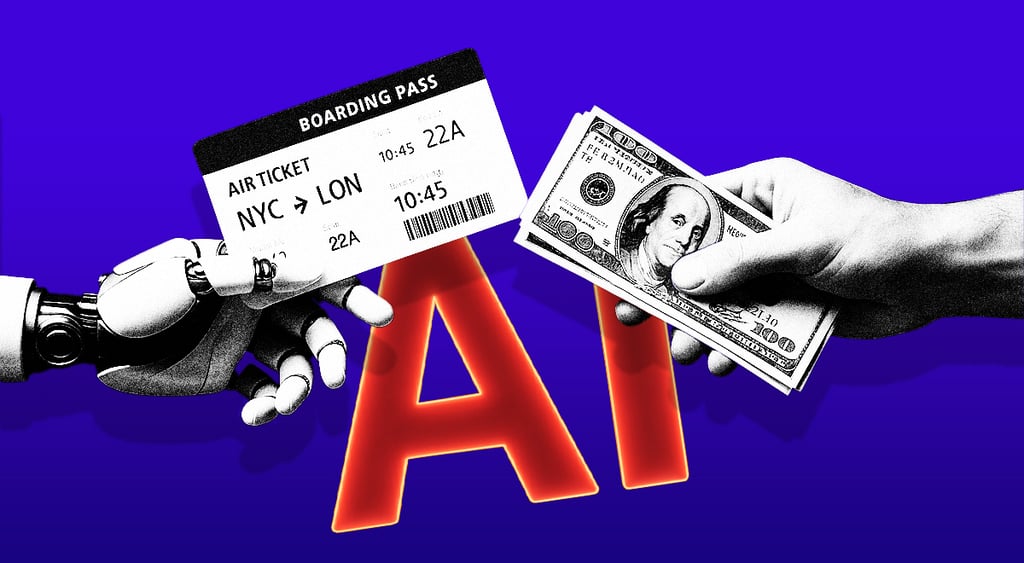
Filed in April this year, the lawsuit followed online claims that the airline was using customers’ personal data to push up ticket prices. It accused JetBlue of using hidden ‘trackers’ to monitor passengers and adjust fares in real time.
The action itself appears to have been sparked by deep consumer mistrust, A passenger needing to travel to a funeral complained on X that the cost of a ticket had jumped by $230 overnight as they tried to book a flight.
When the airline’s official account replied suggesting they “clear cache and cookies or book in incognito mode,” the response fueled submissions that the passenger’s browsing history could have influenced the fares.
JetBlue has denied that it uses personal data or artificial intelligence to set ticket prices.
Regulators assemble
While companies deny using surveillance pricing directly, these incidents have caught the attention of regulators, with lawmakers in the US and EU starting to investigate the practice.
Under former Federal Trade Commission (FTC) chair Lina Khan, the agency ordered eight companies – including Mastercard, Accenture, and McKinsey – to provide information about tools that could influence what consumers see, and potentially what they pay.
Early FTC findings suggested some systems could steer users toward higher-priced products or generate individualized discounts, based on detailed behavioral profiles.
Hypothetical cases described a sleep-deprived new parent being shown more expensive baby thermometers because an algorithm predicted they were unlikely to shop around.
However, momentum has slowed at a national level since the FTC’s inquiry was narrowed under the Trump administration, and a full public report was never released.
Consumer trust may be deciding factor
Individual states are now stepping in, with Maryland being the first US state to ban surveillance pricing on groceries last year.
New York and Connecticut now require businesses to disclose when consumer data influences pricing, while California lawmakers this week advanced legislation that would prohibit surveillance pricing altogether.
Has your password leaked?
The uncomfortable truth for consumers everywhere, however, is that most jurisdictions – the UK and Europe included – lack specific laws addressing personalized pricing, unless discrimination involves a protected characteristic such as race, gender, or sexuality.
And because the practice is largely hidden, it can be difficult to prove.

Ultimately, consumer opinion may yet be the main regulator of underhand algorithmic practices. According to the UFCW survey, nearly 60% of Americans said digital price tags would make them less likely to shop in a store.
And let’s face it, the moment a shopper believes they are being charged differently from the person standing next to them, it’s not long before many others start to regard every electronic label in a store and every security camera with suspicion. It’s another viral TikTok waiting to happen.
And that’s not a good look.
Unlock more exclusive Cybernews content on YouTube.