The web should be “casually anonymous” by default, Mozilla claims
No mandated age restrictions or online identification. Instead, the internet should be “casually anonymous.”

Firefox application on smartphone screen. Nikolas Kokovlis/NurPhoto/Getty

 Follow us
No mandated age restrictions or online identification. Instead, the internet should be “casually anonymous.”
“When this is the default, everyone can freely enjoy the benefits of privacy without having to go to great lengths to hide their identity, something that isn’t practical for most people,” Mozilla wrote in a recently published blog post.
The developer of the Firefox web browser compares online anonymity with walking down the street without a name tag to prove who you are and go on about your business. In this scenario, people aren’t hiding anything. However, society imposes constraints on what it asks and observes, allowing people to remain anonymous.
“It’s easy to take casual anonymity for granted, but it depends on a fragile equilibrium that is under constant threat,” Martin Thomson, Engineer at Mozilla, warns.
He is referring to recent developments we’re seeing on the World Wide Web, including the implementation of age verification systems to block certain content from children and teenagers, and providing detailed identity information to access, for example, adult websites.


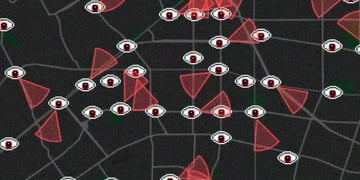


“All of these pressures stem from real problems that people are trying to solve, and ignoring them will not make them go away. Left unchecked, the natural trajectory here would be the end of casual anonymity,” Thomson explains.






To protect people’s privacy online, Mozilla claims it’s steering emerging technologies and technical policies toward better outcomes. The developer says it has identified technical approaches that can address this issue, such as the use of encryption and zero-knowledge technology.
“Zero-knowledge proof protocols can let other sites use that knowledge to identify visitors as real humans, not bots. Careful design of the protocols maintains privacy by preventing sites from learning any additional information beyond personhood,” Thomson said.
Over the coming months, Mozilla promises to share more details about these approaches to address abuse, age assurance, and online identification without losing our privacy.
Unlock more exclusive Cybernews content on YouTube.