Samsung uses CES 2026 to frame AI as a core part of everyday living


Samsung is using CES 2026 to make its position on artificial intelligence clear: AI is no longer a standalone feature or experimental add-on. Instead, the company is presenting it as a foundational layer that runs across its entire consumer ecosystem.
Throughout its CES presence, Samsung is emphasizing what it calls “AI Living,” a vision where artificial intelligence supports daily routines across phones, TVs and home appliances. The message is less about breakthrough demos and more about normalization – AI as something users rely on without actively thinking about it.
-
Samsung positions AI as a background capability, focused on behavior and experience rather than standalone features.
-
AI is designed to work consistently across devices, from phones and wearables to TVs and smart home products.
-
Hardware integration is central to Samsung’s CES strategy, using screens and sensors to shape AI behavior.
-
The goal is everyday usefulness, making AI feel natural and unobtrusive rather than novel or complex.
From AI features to AI behavior
Rather than spotlighting individual AI tools, Samsung’s CES narrative focuses on behavior and experience. The company is framing AI as something that adapts to users over time, learning preferences and habits across devices.
This approach shifts the conversation away from raw technical performance and toward continuity. The underlying idea is that AI should feel consistent whether someone is watching content on a TV, using a smartphone, or interacting with connected home devices.
At CES 2026, Samsung is positioning this consistency as a competitive advantage.
AI across devices people already use
A major theme of Samsung’s CES messaging is scale. Unlike companies that concentrate AI development in a single product category, Samsung is highlighting its ability to deploy AI across a wide range of consumer hardware.
That includes entertainment devices, mobile products and smart home appliances – categories where Samsung already has a strong global presence. By embedding AI into existing product lines, the company is aiming to make AI adoption feel incremental rather than disruptive.
The goal, as presented at CES, is to make AI useful without adding friction or complexity for everyday users.
Alongside the devices highlighted above, Samsung also showcased a broader range of AI-powered products at CES that are worth attention, demonstrating how its AI strategy extends across multiple categories beyond smartphones.
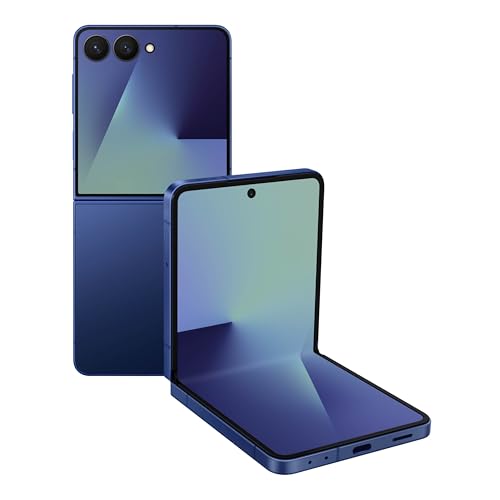
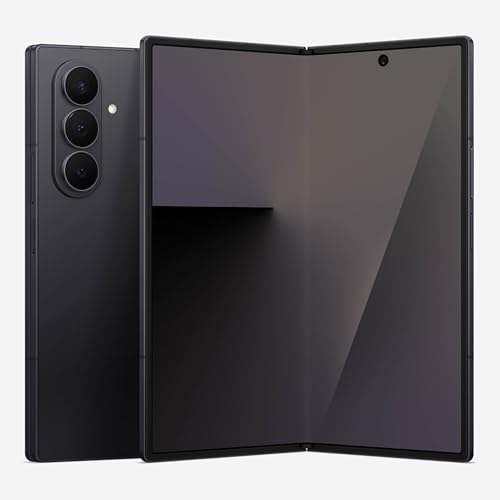
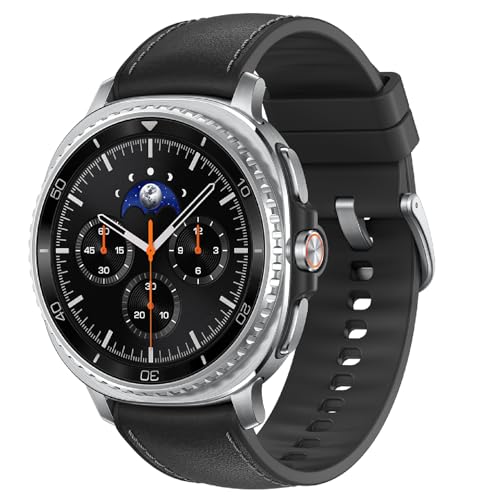
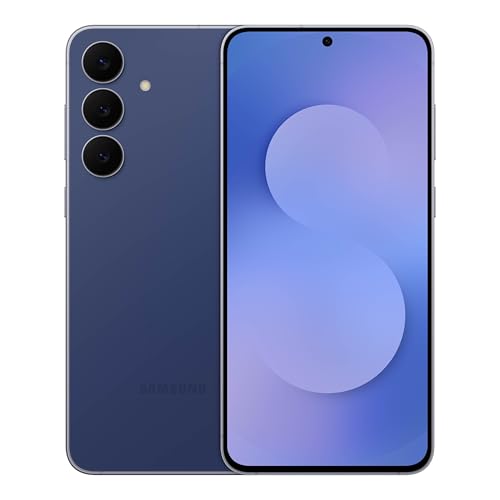
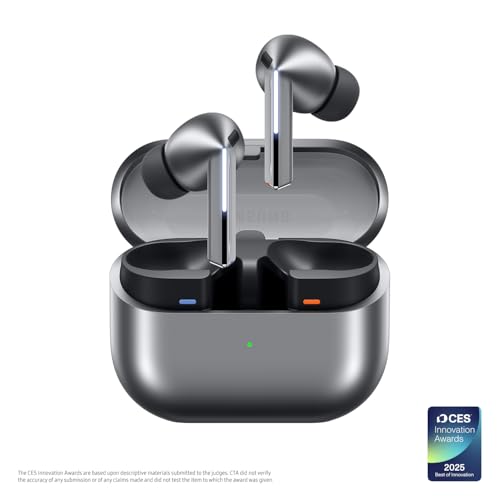
Samsung AI at CES 2026: live updates
CES strategy signals broader competitive intent
Samsung’s CES positioning also sends a signal to rivals. As Apple continues to take a measured approach to consumer AI and Google leans heavily on software and cloud services, Samsung is leaning into its control over hardware ecosystems.
At CES 2026, Samsung is presenting AI as something shaped by device context – screens, sensors and usage patterns – rather than a single assistant or app. That hardware-led framing reflects how Samsung sees its role in the next phase of consumer AI.
A shift toward invisible intelligence
One of the clearest takeaways from Samsung’s CES presence is its focus on subtlety. The company is not pitching AI as something users constantly interact with or configure. Instead, AI is positioned as a background capability that improves experiences quietly.
This reflects a broader shift in consumer expectations. As AI becomes more common, novelty matters less than reliability and usefulness. Samsung’s CES messaging suggests it sees long-term value in making AI feel natural rather than impressive.
As CES 2026 continues, Samsung’s product announcements are expected to reinforce this direction. For now, the company has made its stance clear on the show floor: AI is becoming an assumed part of how consumer technology works, not a feature that needs to be explained.