TICONN RFID blocking cards review: a closer look at security, value and reviews

Contactless cards and digital wallets have made everyday payments faster, but they’ve also raised concerns about unauthorized scans and RFID skimming in crowded places. As more people rely on tap-to-pay credit cards, transit passes and IDs, interest in simple, low-effort protection tools like RFID blocking cards has grown.
For this review, I worked with the Cybernews research team to look into TICONN RFID blocking cards and similar products on the market. Instead of claiming hands-on testing, we focused on manufacturer specifications, independent explanations of RFID technology and patterns in verified user feedback. The goal is to help you understand what these cards realistically protect against, where their limits are and whether they’re worth considering as a small addition to everyday wallet security.
Quick overview of TICONN RFID blocking cards
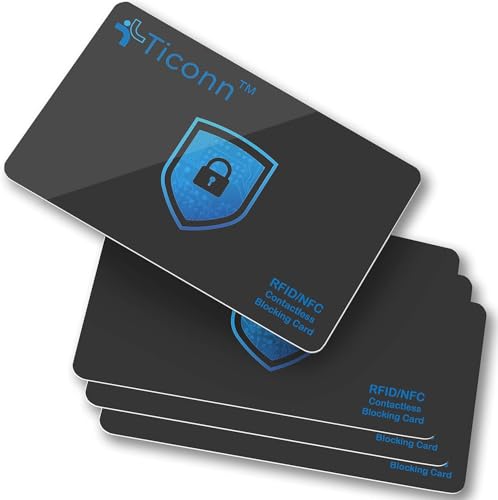
TICONN is a consumer accessories brand that focuses on simple, practical security and travel products, with its RFID blocking cards positioned as an affordable, no-frills option for everyday wallet protection.
Our methodology
When preparing this review, I worked together with the Cybernews research team to analyze TICONN RFID blocking cards using a structured, weighted evaluation system. Our assessment is based on manufacturer specifications, verified user reviews and comparisons with similar RFID-blocking products.
- Security effectiveness (30%). RFID frequency coverage, blocking reliability and protection claims.
- Design and wallet compatibility (20%). Thickness, flexibility and ease of everyday use.
- Performance and reliability (20%). Consistency of RFID blocking according to user feedback.
- Price and value (15%). Cost compared to competing RFID-blocking cards.
- Brand transparency and user feedback (15%). Company credibility, online reputation and customer reviews.
This approach helps clarify whether RFID blocking cards offer practical value for everyday wallet security.
How do RFID blocking cards work and what do they protect against?
RFID and near-field communication (NFC) technology allow contactless cards to transmit data over short distances using electromagnetic fields. This makes quick payments possible, but it also means cards can theoretically be scanned without physical contact under the right conditions.
RFID blocking cards work by creating a shielding layer that interferes with these electromagnetic signals. When placed correctly in a wallet, the card helps block or disrupt attempts to read nearby RFID-enabled cards.
In practical terms, they’re designed to protect against:
- Contactless payment skimming.
- Unauthorized card scans in close proximity.
- Opportunistic data capture in crowded spaces like airports or public transport.
They do not encrypt card data or stop online fraud, and they’re only relevant for cards that actually use RFID or NFC technology.
Why should you use TICONN RFID blocking cards?
TICONN RFID blocking cards are designed for people who want a simple, wallet-friendly way to reduce specific RFID-related risks. Their slim profile makes them easy to slide into most wallets without changing how you carry your cards.
Because the cards are passive, they don’t require charging, pairing, or maintenance. This makes them more convenient than some RFID-blocking wallets or sleeves, especially if you don’t want to replace your current wallet.
They’re generally compatible with most RFID-enabled credit cards, debit cards and IDs. For frequent travelers or daily contactless payment users, they offer a low-effort layer of protection that works quietly in the background, as long as expectations stay realistic.
Common myths about RFID blocking cards
RFID blocking products are often surrounded by mixed information online, which can make it hard to separate realistic benefits from overstatements. Below, I address some of the most common claims using widely accepted explanations of how RFID technology works.
- RFID skimming is a myth. While not widespread, RFID skimming is technically possible under certain conditions.
- Only expensive wallets offer real protection. Properly designed blocking cards can offer similar shielding when positioned correctly.
- RFID blocking damages cards. Passive shielding does not harm cards or affect normal use.
- You need multiple blocking cards for one wallet. In many cases, one card is sufficient, depending on the wallet layout.
- RFID protection is only necessary when traveling. Crowded daily environments can pose similar risks.
Taken together, these points show that RFID blocking cards are neither a magic fix nor a pointless gimmick. Their usefulness depends on realistic expectations, everyday habits and how much value you place on reducing a narrow but specific type of risk.
TICONN RFID blocking cards: user reviews
Across online marketplaces and discussion forums, user feedback on TICONN RFID blocking cards is generally positive. Many buyers highlight ease of use, slimness and the peace of mind that comes from adding a simple protective layer without changing wallets.
Common praise includes affordability, especially for multipacks, and the fact that the cards don’t interfere with normal card usage. Some users also note successful blocking tests using contactless readers.
Recurring criticisms usually focus on wallet positioning. If the blocking card isn’t placed correctly, protection may be inconsistent. Others question whether RFID blocking is necessary for their personal risk level, which reflects broader debates rather than product-specific flaws.
TICONN RFID blocking cards vs competitors
When RFID blocking cards offer largely the same core function, the most practical differences for buyers come down to how products are packaged, priced and positioned. The table below focuses only on information that is commonly stated by brands or visible to buyers, without relying on undisclosed technical claims.
| Product | Wallet compatibility | Ease of use | Build quality expectations | Brand trust signals |
| TICONN RFID blocking cards | Designed to fit standard wallets without adding bulk | No setup required, works passively | Thin plastic card, intended for daily carry | Established Amazon presence, consistent buyer reviews |
| Vaultcard RFID blocking cards | Optimized for slim or minimalist wallets | Passive use, similar handling | Rigid single-card design | Premium branding, higher visibility |
| Saitech IT RFID blocking cards | Fits most standard wallets | Passive use | Basic card construction | Limited brand recognition, fewer details |
Seen this way, TICONN’s main advantage is value through multipacks rather than any clearly stated performance edge. For buyers comparing similar RFID blocking cards, pack size and pricing are often more meaningful than advertised security differences.
Extra tips to protect your info beyond RFID blocking
RFID blocking cards address a very narrow type of risk. To reduce the chance of real-world financial fraud, they work best when combined with basic habits that limit exposure, improve visibility and help you react quickly if something goes wrong.
- Regularly monitoring bank and card statements.
- Enabling transaction alerts for unusual activity.
- Avoiding public Wi-Fi for financial apps.
- Keeping wallets and bags secure in crowded areas.
- Setting spending limits where possible.
Taken together, these steps reduce reliance on any single protective tool. RFID blocking can play a small role, but awareness, account monitoring and everyday caution remain far more effective for most people.
Final verdict: is TICONN RFID blocking cards worth it?
TICONN RFID blocking cards make sense for people who use contactless cards regularly and want a simple, low-cost way to reduce specific RFID-related risks. They’re especially suitable for travelers, commuters and minimalists who don’t want to switch wallets or deal with powered devices.
At the same time, they’re not a complete security solution. They don’t prevent online fraud, phishing or data breaches, and their effectiveness depends on correct placement. Based on Cybernews research and user feedback, they’re best viewed as a practical add-on rather than a standalone answer to payment security concerns.
Do TICONN RFID blocking cards work with all wallets?
Yes, they work with most wallets, but effectiveness depends on layout and card placement. Very thick or metal wallets may affect how well the blocking layer shields nearby cards.
Can RFID blocking cards stop all types of digital theft?
No, they only address certain RFID-related risks. They do not protect against online fraud, card-not-present transactions, or phishing.
How many RFID blocking cards do I need per wallet?
Usually one is enough, but it depends on how many cards you carry and how they’re arranged. Some larger wallets may benefit from additional cards.
Are RFID blocking cards legal to use everywhere?
Yes, RFID blocking cards are legal to use in everyday situations. They don’t interfere with payment systems beyond shielding your own cards.
Do RFID blocking cards interfere with normal card usage?
No, they don’t affect normal use when placed correctly. You may need to remove or shift the blocking card when making contactless payments.