Scammers have the advantage: no one can reliably detect AI faces, study finds
Some people are just better at recognizing AI-generated faces, but even they fail 43% of the time, a new study has found. Synthetic faces can often be recognized because they “appear more human than real ones,” but no one can reliably predict.
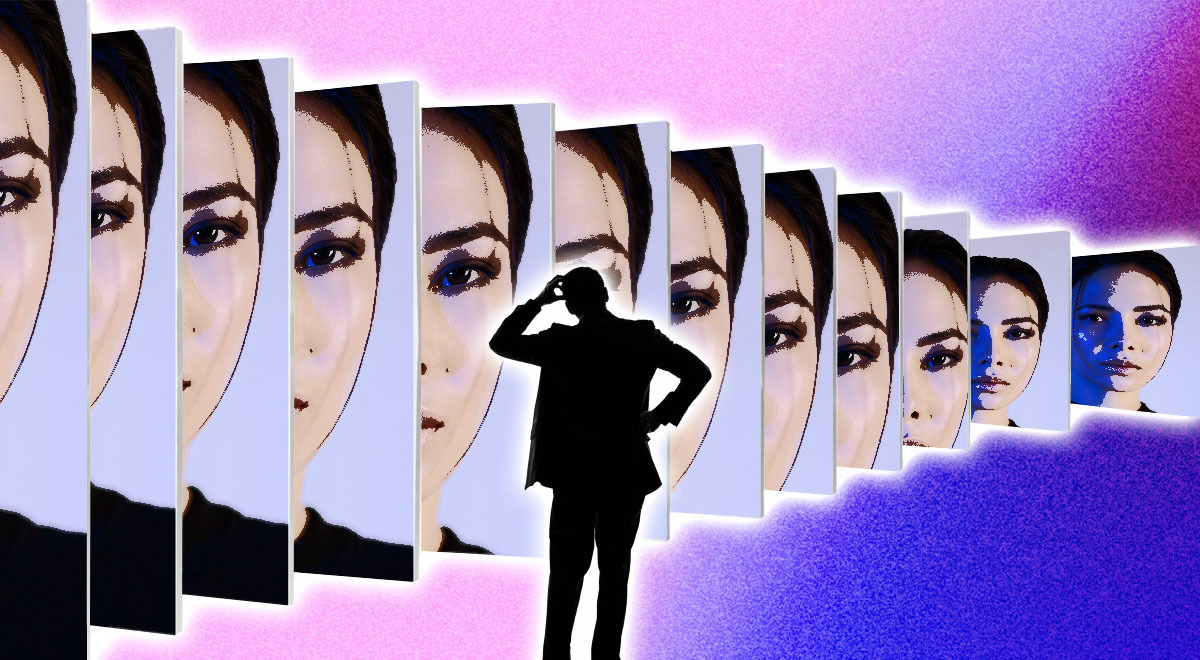
Image by Cybernews.

 Follow us
Some people are just better at recognizing AI-generated faces, but even they fail 43% of the time, a new study has found. Synthetic faces can often be recognized because they “appear more human than real ones,” but no one can reliably predict.
Researchers at the University of New South Wales have tested people's ability to recognize synthetic faces. The short answer is – you shouldn’t trust your instinct. But some people are clearly better at this than others.
“Synthetic faces generated by artificial intelligence (AI) have become so realistic that people cannot tell them apart from human faces, and they may even appear more human-like than actual people’s faces,” the study reads.
To recruit the participants, the researchers gave volunteers some older face perception tests. The best performers were selected for the group of 36 “super-recognizers,” who were then pitted against 89 control participants.
All participants were presented with 50 real and 50 AI-generated faces from a pool of a total of 200 faces.










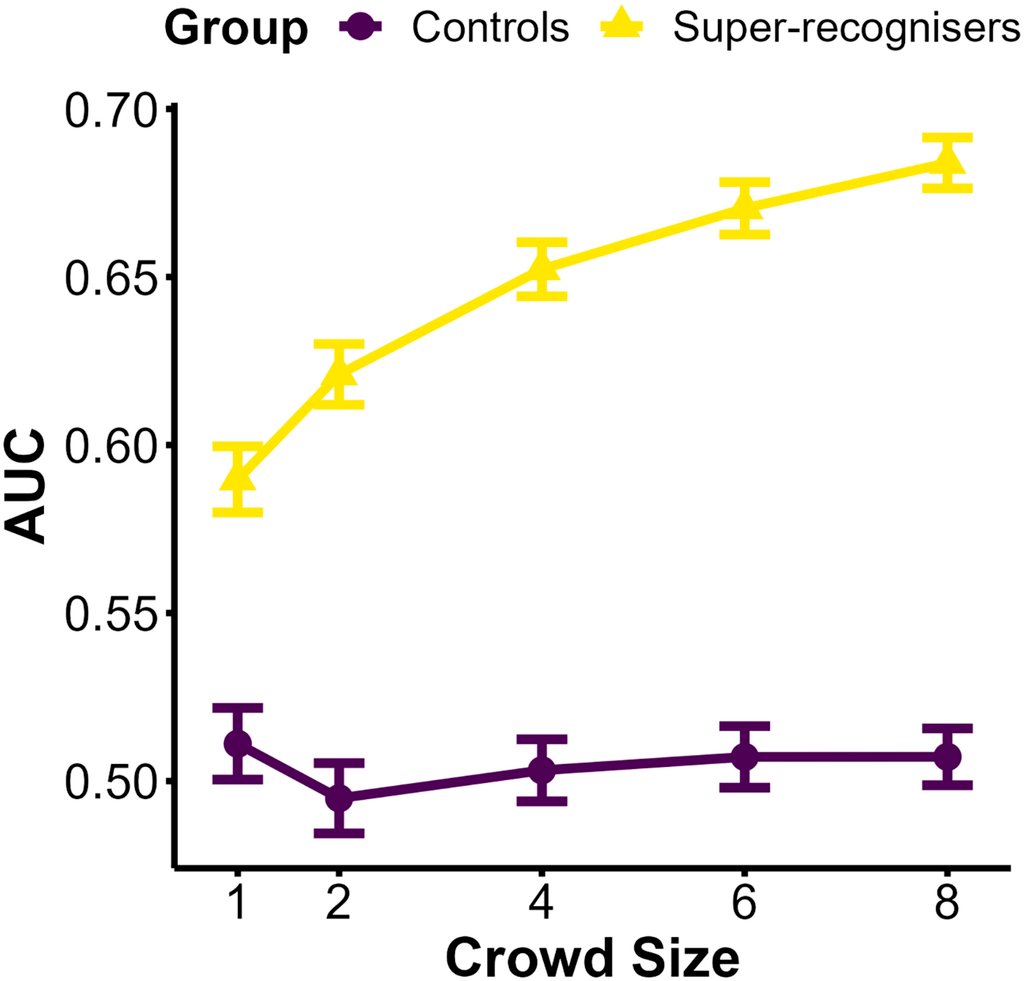
The control group did no better than random chance, achieving only 50.7% accuracy.
However, the super recognizers were significantly better, achieving an accuracy of 57.3%. Still, this means that even the best individual synthetic face recognizers fail 4 out of 10 times.
However, better results can be achieved by grouping super-recognizers and averaging their responses. A group of eight super-recognizers demonstrated an accuracy of nearly 70%, meaning they still would fail 3 times out of 10. Meanwhile, grouping random participants didn’t produce any significant improvement in accuracy.
“Super-recognizers discriminated AI from real faces better than control participants, who, on average, performed no better than guessing,” the researchers said.
The researchers also answered what makes AI faces more recognizable to some people – it’s their sensitivity to the “hyper-averageness” of AI faces.
Fake faces tend to be more “average,” meaning they are more symmetrical, proportionate, and typical-looking. The AI faces are more centrally distributed in the “face-space,” and very unusual faces are rare.
“Super-recognizers exploited face-space centrality as a diagnostic cue to artificiality, more often classifying faces as AI when they scored highly on attributes linked to the PCA-derived face-space component,” the study reads.
However, the synthetic faces used in the study were generated by an AI model from 2020, StyleGAN2. While it produces very realistic faces, many more capable AI models have been released since then.
The danger is real
The study warns that AI-generated faces present a growing real-world threat. Synthetic identities are difficult to detect, and they’re increasingly used to support illegal activities.
“For example, fake job seekers have been using AI-generated identities, including synthetic profile photos, to access sensitive corporate systems that can support cyberwarfare efforts. Similarly, AI faces are increasingly used by bot accounts to spread misinformation and propaganda and in catfishing scams on online dating platforms,” the researchers warned.
“The economic impact of this technology is substantial, with deepfake scams – often involving AI-generated faces or voices – projected to cost global economies $40 billion annually by 2027.”
The study demonstrated that even the best performers in face recognition are far from perfect, and humans alone are not a reliable way to detect fake faces.
Bitdefender warned that more sophisticated defenses are needed to protect against identity theft, including advanced anti-phishing detection, behavioral anomaly monitoring, AI-powered fraud prevention, identity protection tools, and scam detection technology.
“Preventing these types of identity attacks requires more than spotting a suspicious profile photo,” Bitdefender said.
“It requires identifying the behavior behind it.”
Unlock exclusive Cybernews content on YouTube.