Crooks now using AI to generate convincing pharmaceutical scams
Scammers are now impersonating licensed physicians and medical clinics to promote counterfeit or unsafe medications. They frequently leverage AI and deepfake technology to generate convincing fake photos, videos, and endorsements, putting people’s lives at risk.

Image by Cybernews.

 Follow us
Scammers are now impersonating licensed physicians and medical clinics to promote counterfeit or unsafe medications. They frequently leverage AI and deepfake technology to generate convincing fake photos, videos, and endorsements, putting people’s lives at risk.
According to researchers at Check Point, a cybersecurity firm, this new online threat combines fraud, social engineering, and genuine health risks.
That’s because victims are persuaded to purchase and consume unapproved or potentially dangerous substances marketed as legitimate prescriptions.
This convergence of digital deception and physical harm makes the threat particularly insidious, Check Point said, because criminals exploit the trust inherent in healthcare relationships to generate revenue while amplifying their reach through fraudulent social proof.
The “coordinate wave of pharmaceutical scams” was first detected in January 2025. They all target the healthcare sector from top to bottom, from major hospitals and telehealth platforms to smaller independent clinics and individual practitioners.





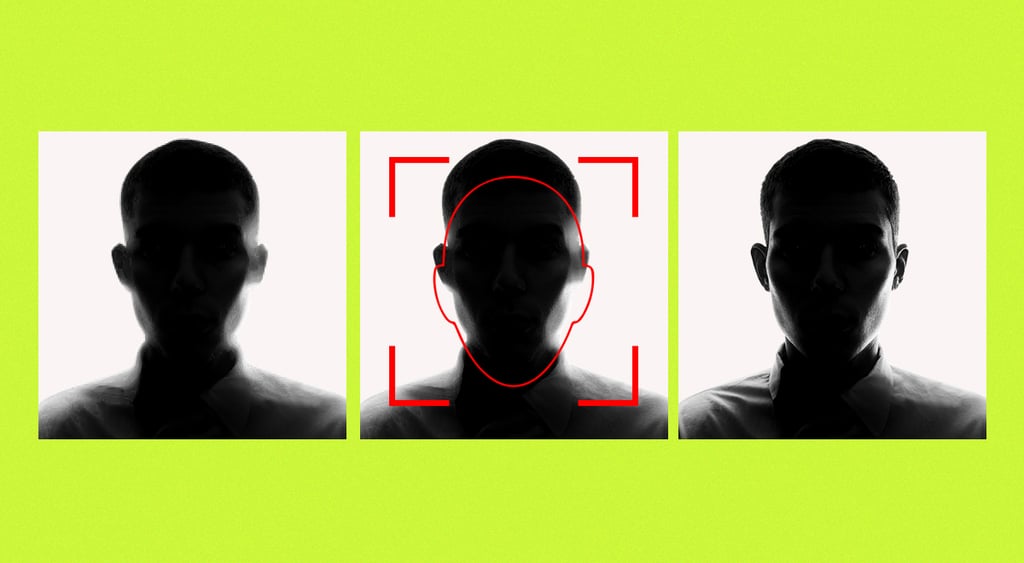
AI is used to create deepfakes and “show” that real doctors are supposedly endorsing specific treatments. For good measure, the deepfakes are also placed in fraudulent social media accounts and ads that replicate the branding of trusted medical organizations, Check Point said.
For example, one fake Facebook page impersonating a credentialed US physician, deployed stolen credentials and professional photography to advertise counterfeit GLP-1 weight-loss medications, directing victims toward unregulated online pharmacies selling dangerous products.
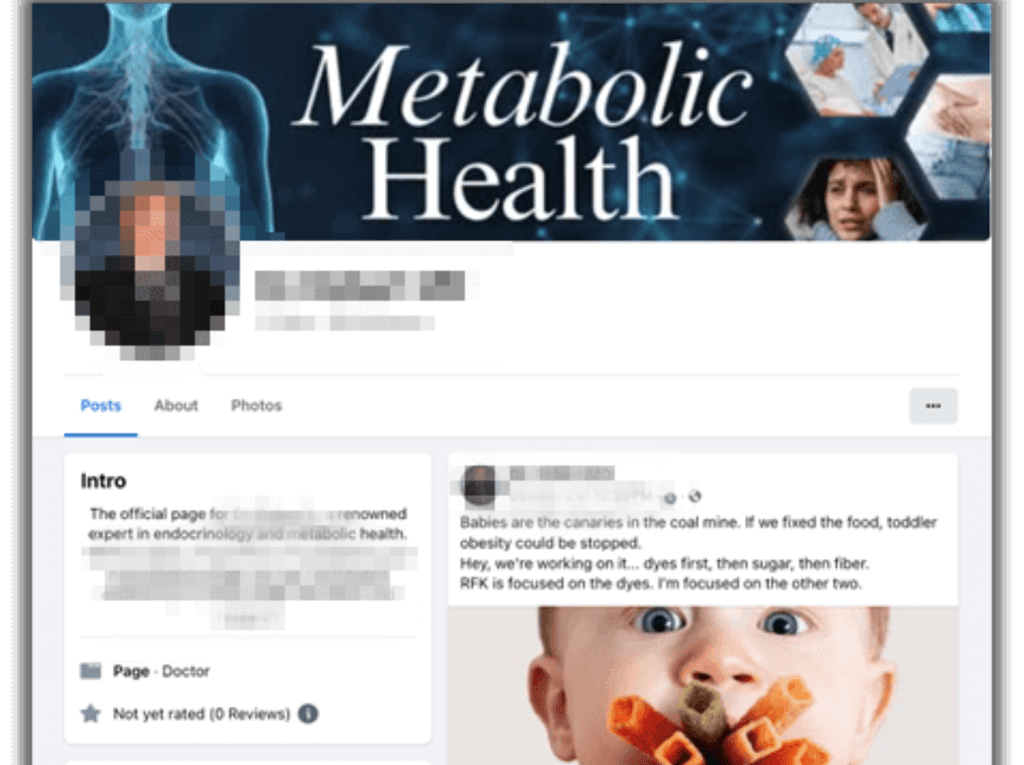
“Our analysis reveals an estimated 500+ similar fraudulent pages are being created daily across social media platforms, indicating the industrial scale of these operations,” the researchers said.
Moreover, the investigations revealed systematic theft of intellectual property, including unauthorized use of medical association logos and fabricated testimonials about the “miracle” treatments attributed to physicians and patients.
One particularly aggressive counterfeit is PEAKA GLP-1 Slimming Pearls, also marketed as “Slimming Drops” and “Liquid Pearls.”
“The product falsely claims equivalence with FDA-approved prescription medications like Ozempic and Wegovy, which are indicated for blood sugar control and weight management. These claims lack scientific validation or regulatory approval,” said Check Point.






Once the victims click on one of these fraudulent advertisements, they’re redirected to spoofed websites that closely replicate legitimate clinic pages and deploy manipulative design elements, including countdown timers, “limited stock” warnings, and big discounts to create artificial urgency and pressure visitors into rapid purchasing decisions.
Once a payment is made, it’s processed through obscure or offshore systems. Two outcomes usually follow: either the money is stolen with no product delivered, or the victims receive unlabeled or mislabeled pills and liquids of unknown composition and safety.
That’s, of course, a direct health risk, as Check Point pointed out.
“When consumers believe they are purchasing regulated pharmaceuticals, they may instead consume untested, contaminated, or inert substances. This can trigger serious health complications, exacerbate existing medical conditions, or delay access to legitimate treatment with potentially severe consequences.”
Unlock more exclusive Cybernews content on YouTube.