One woman’s chilling story of being robbed via Uber Eats: customers basically provide a map
Soggy fries might not be the worst thing to come with your food delivery.
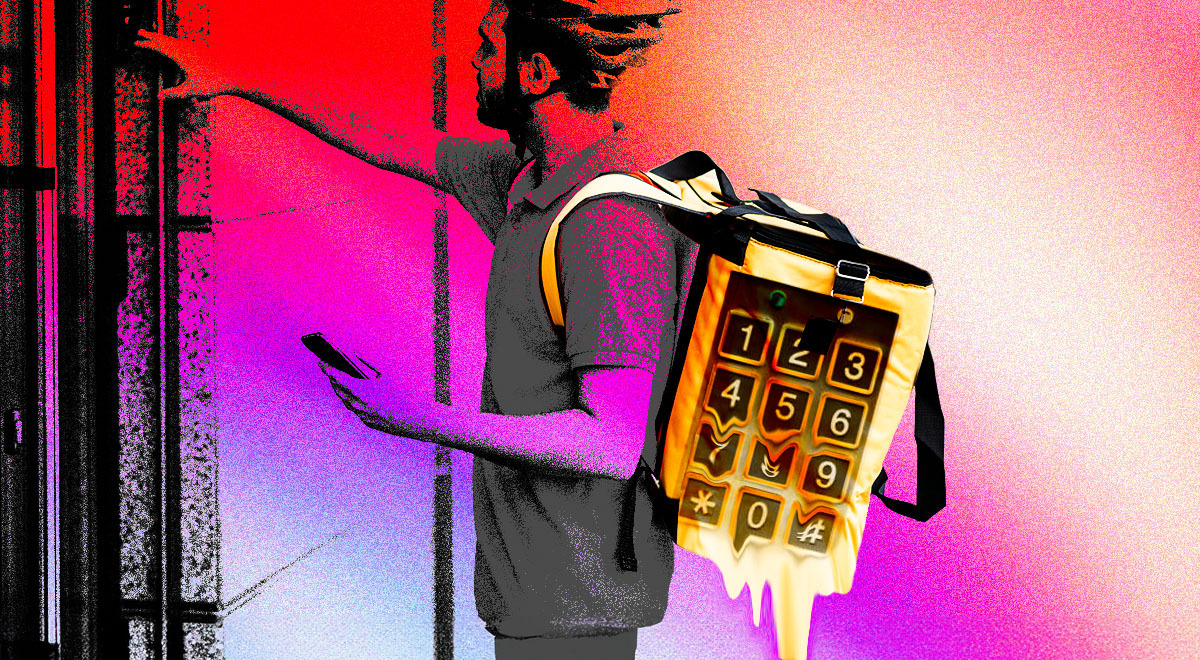
Image by Cybernews

 Follow us
Soggy fries might not be the worst thing to come with your food delivery.
“I’m so sorry to tell you this, but we cannot have Uber Eats delivered to our apartment doors any longer,” shared Amanda Rollins, an American influencer living in Paris, in one of her TikToks.
The woman admitted that she herself often gets her food delivered straight to her door.
However, after hearing how her friend got robbed after she opened the door, thinking she was picking up her order, the woman no longer does that and warns others not to provide entry codes to delivery personnel.
Entry code used for robberies


Amanda Rollins is a content creator who shares her experiences of living in the French capital.
In one of her recent TikTok videos, which has already been viewed by more than half a million users upon reporting, the woman talked about her friend ordering an Uber Eats.
The person whom she thought was a delivery person rang the bell, and after the woman buzzed them in, she thought that the person had left the delivery at her door.
After opening her apartment door, the woman was then ambushed by three men who pushed her into her apartment.
The situation ended with the woman receiving help from her neighbors, who heard her scream. The men were later arrested by the police.
It turned out that these robbers were minors who were instructed to carry out the robbery in exchange for $500.
The reason for employing teenagers to break into people’s apartments is that they can’t be charged as adults.
“One of the kids that had robbed her had done this 17 times,” shared the content creator.
The woman then also revealed that group chats on messaging apps such as WhatsApp and Telegram exist, where teenagers are being employed for these types of gigs.
“There’s a Telegram group chat that exists in Paris, where these gangs and these people who are looking to get into trouble, they will basically put in an address in the chat and would say, ‘Hey, $500 to whoever can be at this address in the next hour. Go,’” explained Rollins.
She also learned that these people get the addresses and the door codes from delivery drivers.
“I’m giving my door code and my floor, I basically provide a map,” shared the TikToker.
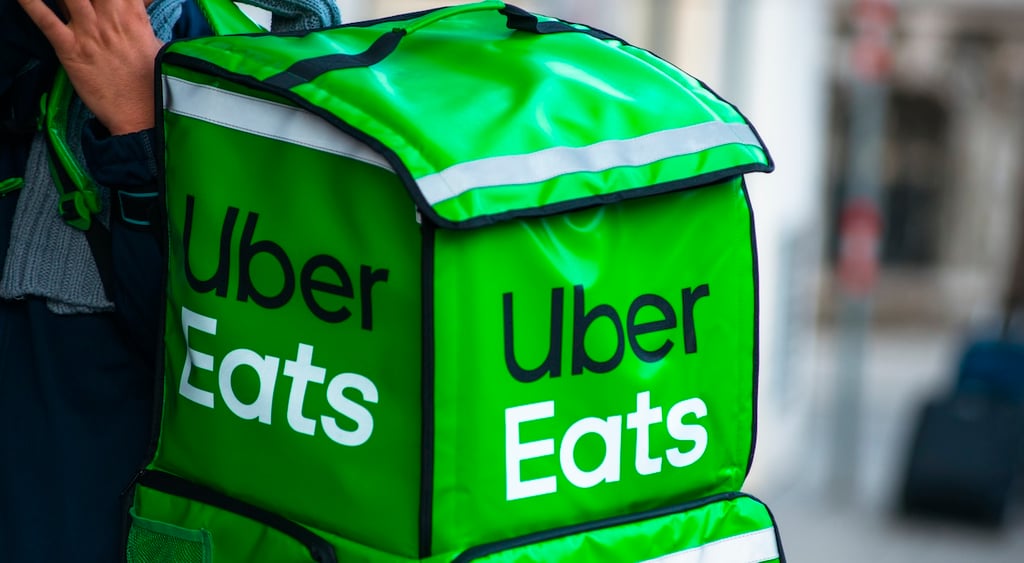
How aware are consumers about the data they provide?
The woman’s video sparked an online discussion, with many surprised that some people still share such information with delivery personnel.
Other users started sharing their delivery tips and tricks, resonating with Rollins remark about how women have to be careful when taking an Uber or ordering food.
“I changed my DoorDash name to ‘Big John.’ Coincidentally, I’ve never had a problem ever again with delivery,” wrote one user.
“I also don't use my real name for my Uber account,” added another netizen.
If many of us know we shouldn’t share our personal information online, how come situations like this still happen?
“This happens because people see an entry code as a delivery instruction (i.e., ‘the delivery guy needs to get into my building’) vs seeing it as a key,” shared Ray Ansari, the CEO of CCTV Camera World, a company selling security cameras.
The expert explained that the issue stems from customers focusing on convenience, wanting the delivery to reach them as soon as possible, so often they forget that, along with directions, they’re disclosing valuable information.
“Criminals will, however, capitalize upon ordinary behaviors,” noted Ansari.
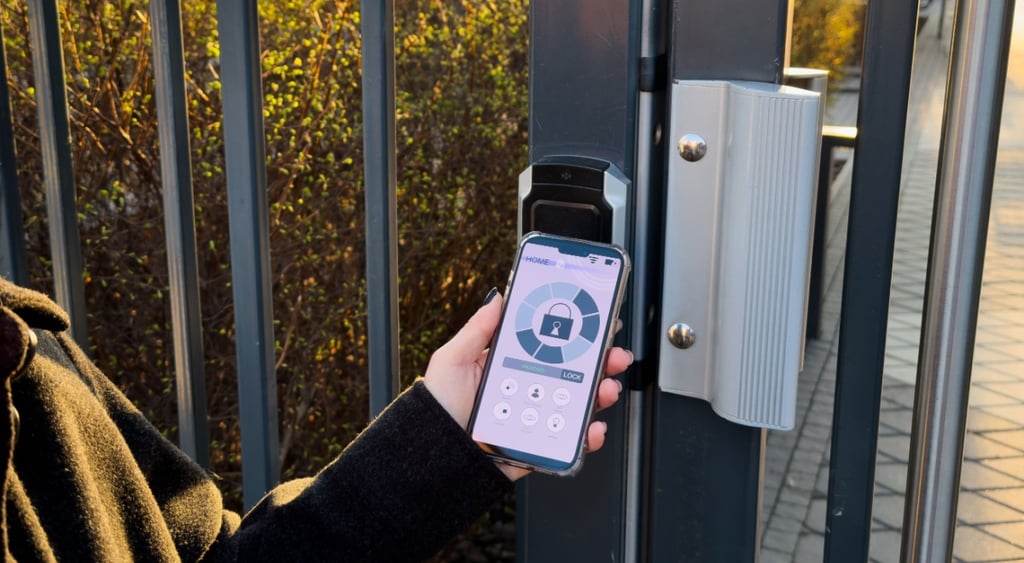
More people are suspicious of delivery drivers
What doesn’t help in this case is the numerous situations when delivery personnel struggle to reach customers.
Many drivers shared their delivery experiences on the Uber Eats Delivery Drivers group on Facebook. These include stories of drivers trying to contact their customers, only to be ignored.
“[...] I used the code. Nothing. I called the number. Nothing. Customer not responding. Sat there repeatedly called the # on the box, used the code, and called the customer,” wrote one user who got ignored by the customer.
But these stories also revealed that people are actually becoming more aware of their surroundings. A number of delivery drivers reported being observed by residents or concierges, who often ask why they are in the building and hesitate to let them in, even when they have the necessary information to enter.






New regulations required?
Gig-based work, including delivery driver roles on platforms such as Uber Eats or Deliveroo, provides an opportunity for “disadvantaged groups” to earn money legally, according to the Centre for Economic Policy Research (CEPR).
It’s also been suggested that this way, such a line of work helps reduce the crime rate.
However, the TikTok video revealed that such services can also serve as a source to obtain information later used to harm customers.
“In-depth vetting and data control is challenging as [delivery drivers] are often self-employed and using their own devices to access data without supervision,” explained Calum Baird, Senior Digital Forensics and Incident Response Consultant at Systal Technology Solutions to Cybernews.
Considering that delivery issues are no longer limited to receiving cold food or the wrong order, much more should be done to ensure customers' safety.
Strong password generator

“It should not be common practice for permanent access codes to remain in delivery notes indefinitely. Once a customer has entered an access code, the app should warn the user that they are providing building access,” shared Ansari.
The platform could also provide other alternatives, such as temporary access codes, drop boxes, or leaving the order in a secure area.
The expert also noted that there should be controls on who can access delivery information. The app should also have a possibility to track when the information was accessed and delete the details once the order is complete.
“If a driver screenshots, saves, or shares a customer’s access code, that should trigger a manual review if the platform detects it or if a customer reports it,” added Ansari.
He also raised another issue, known as account sharing, calling for stronger identity checks.
“If the person delivering the food is not the person who passed the background check, the safety model breaks down, concluded the expert.
When waiting for the delivery:
- Don’t provide the delivery person with security-related information such as access codes.
- Ask your delivery to be left outside the door, or in another secure place (lockbox, lobby, package room, etc.)
- Before opening the door, check outside through a camera, intercom, or peephole for safety.
- If suspicious, ask the delivery driver which restaurant they are delivering the food from.
Cybernews has contacted Amanda Rollins and Uber Eats for additional comment.
Unlock more exclusive Cybernews content on YouTube.