Is this hairclip the tech girlies’ answer to Meta Ray-Bans?
How much could a camera hairclip have to say about the state of the world today? Well, quite a lot actually.
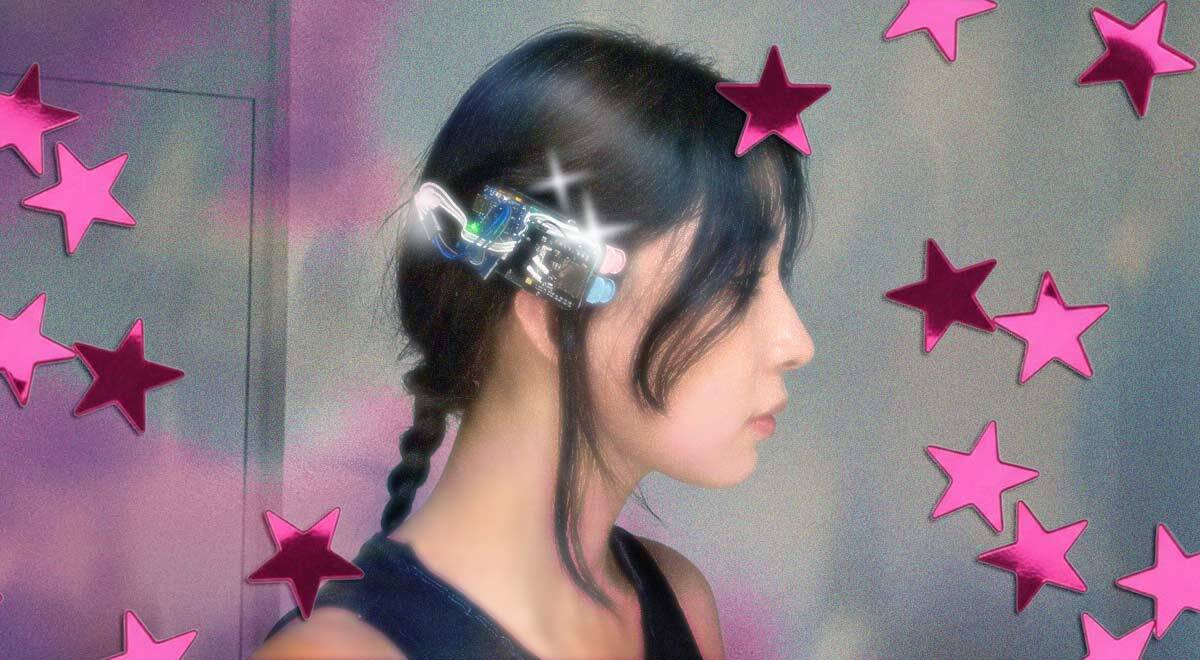
Jenny Zhang by Cybernews

 Follow us
How much could a camera hairclip have to say about the state of the world today? Well, quite a lot actually.
- Jenny Zhang’s camera hairclip is more than a quirky gadget. It reflects a growing desire for tech that feels personal, expressive, and less controlled by big companies.
- Zhang, known online as Computer_Angel, has built a following of around 44,000 people by sharing the development of her prototype and her thoughts on technology, creativity, and burnout.
- The device has received strong interest because it offers a more playful and wearable alternative to sterile mainstream tech. Some users described it as a demure GoPro, while disabled creators said it could be useful.
- This hairclip is part of a wider push by women creators to make technology more colorful, nostalgic, customizable, and approachable instead of uniform and corporate.
- The prototype appears more visible than Meta’s Ray-Ban camera glasses, but any wearable camera raises questions about consent, harassment, and data use, as privacy is still a key concern.
Key Takeaways by nexos.ai, reviewed by Cybernews staff.
Jenny Zhang (aka Computer_Angel) has grown her Instagram following by documenting the development of her camera hair clip and her ruminations on life through film.
The engineer has cultivated a following of around 44,000 people, in which she reveals more about her prototype and users’ attitudes towards it.
Zhang moved from New York City to China to pursue the development of her hairclip camera.






Check if your data was exposed
Find out if your email and related personal information have appeared in known data breaches.
In a post on Instagram, she talks about the inspiration behind the device, saying that she “loved cameras [her] whole life,” and started editing photos on her iPod Touch 4 when she was younger.
She “started making composites [by] torrenting Photoshop on The Pirate Bay” and graduated to torrenting Adobe software to learn more about editing.
Following a period of burnout and working for a startup, Zhang came up with the idea for her hairclip camera.
And the responses have been overwhelmingly positive. Some users called it a “demure GoPro,” and even disabled content creators commented that it would be a really handy tool.
While the device itself is cool, it seems that there’s a relationship between the tech revolution and interest in devices like Zhang’s.
Tech girlies vs tech bros
If you haven’t noticed, there’s a movement emerging that protests sterile tech brought to you by the Tim Cooks and Mark Zuckerbergs of the world.
It’s no secret that the tech world is male-dominated, and that’s very obvious when looking at the devices on the market right now.
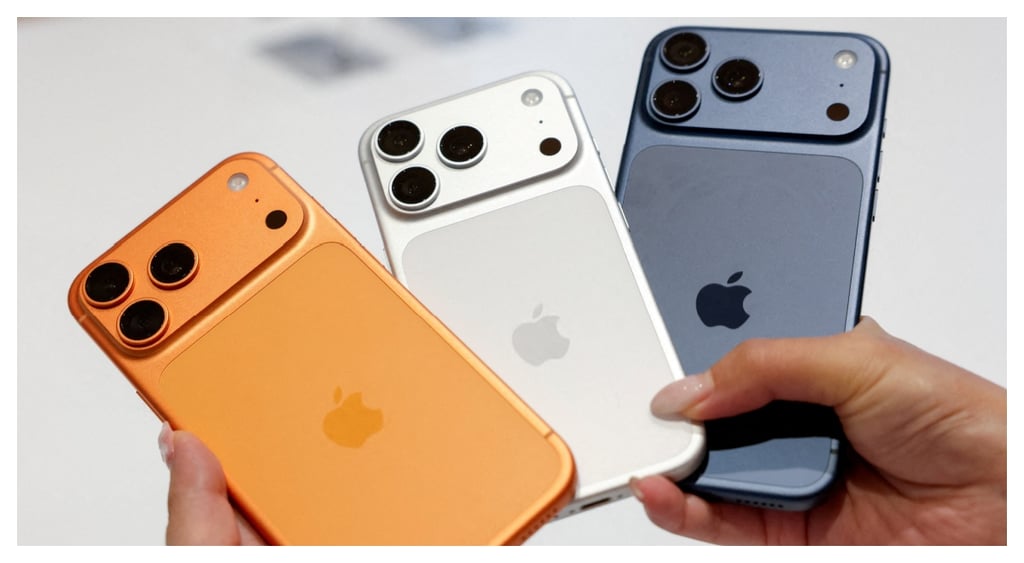
We’re often given the illusion of choice, but big tech companies tend to follow the “if it ain't broke, don’t fix it” mentality, as Apple seemingly hasn’t innovated the iPhone for years (even though it claims it does every time).
But the girlies are trying to do something different by creating highly personalized tech like the camera hairclip and cutesie cyberdecks. They’re making tech more approachable, customizable, and less uniform.
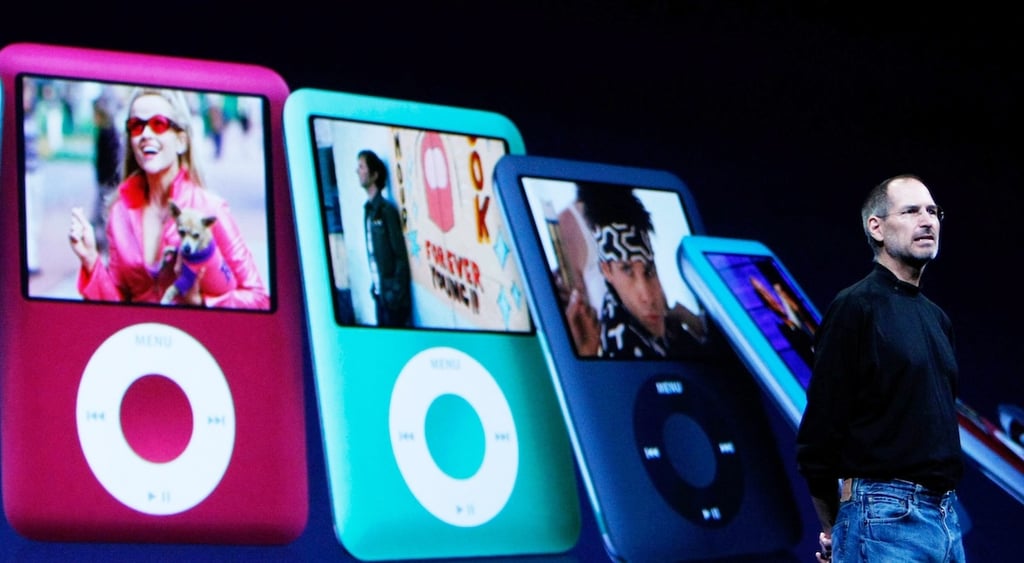
Online creators, predominantly women, are developing colorful, nostalgic devices that are indicative of an era when tech was fun.
This subculture seems emblematic of a particular zeitgeist, when we all had a different device for listening to music, taking photos, or playing games, and weren’t addicted to a “one-size-fits-all” product.
Why should anyone care about a camera hairclip?
In a world where we’re arguably being manipulated by big tech’s desperate attempts to obscure their insatiable greed with corporeal-focused marketing (read AI tech bro’s obsession with taste by The New Yorker), it feels ever so important to return to a time when everything felt less complicated.
The camera hairclip is even more of a statement than you might have originally thought.
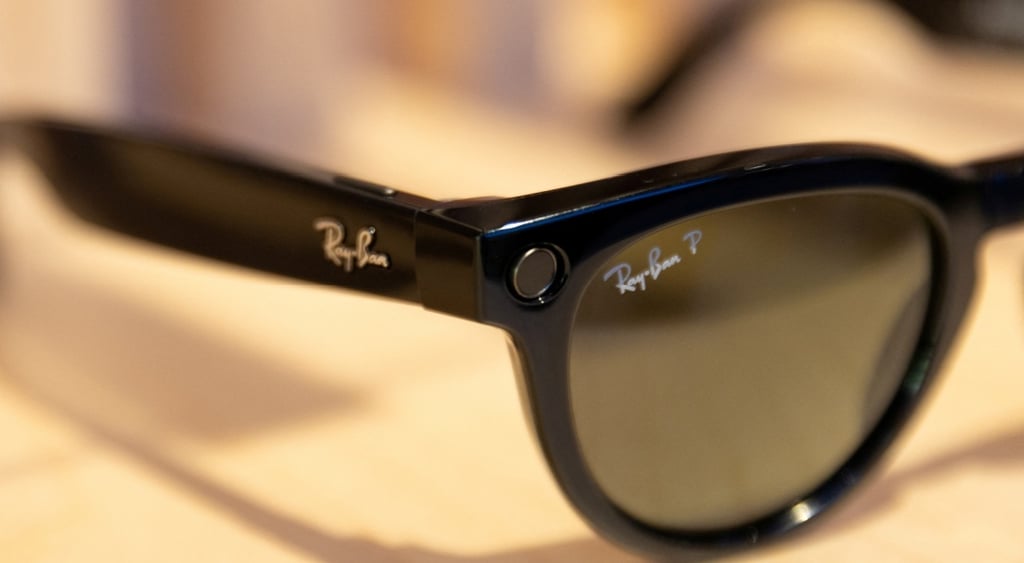
It comes at a time when Meta’s Ray-Ban glasses have become mainstream and could be used to exploit and harass people.
Meta’s Ray-Bans seem to be a product of the male gaze, as Alexandra Geese, a member of the European Parliament, said: “women’s rights don’t look good through Meta’s AI Glasses.”
The line of what is harassment and what is not isn’t clear when it comes to wearing Meta’s glasses in public, and experts warn that the tech is likely to have dire consequences.
It may look like Zhang is doing the same thing, but there’s a certain level of nuance here.
The camera (at least the prototype) is very noticeable, unlike Meta’s integrated camera, which is sneakier.
Meta, one of the most data-hungry tech companies in the world, stores these recordings in its cloud, so we can only hope that Computer Angel’s clip is less invasive than that.
Cybernews has reached out to Zhang for comment.
Zhang hasn’t planned a release date, and there are no current pricing details, she said in conversation with Gizmodo.
The Elle Woods effect
Many of these devices evoke the spirit of the noughties, where films like Legally Blonde shattered expectations and the illusion of what it is to be a woman, while continuing to embrace femininity.
When discussing this, I think back to the scene where Elle Woods, played by Reese Witherspoon, impresses her law school professor for the first time.
All the other students on her row use the same black, masculine laptop, while she uses a bright orange-and-white Apple iBook.

Although this is an obvious symbol of difference, it also shows a woman ahead of the curve, unwilling to sacrifice her identity to conform to the status quo.
And this is exactly what the tech girls seem to be doing.






Unlock more exclusive Cybernews content on YouTube.